Get your free personalized podcast brief
We scan new podcasts and send you the top 5 insights daily.
The traditional PM function, which builds sequential, multi-month roadmaps based on customer feedback, is ill-suited for AI. With core capabilities evolving weekly, AI companies must embed research teams directly with customer-facing teams to stay agile, rendering the classic PM role ineffective.

Related Insights
The traditional, linear handoff from product (PRDs) to design to dev is too slow for AI's rapid iteration cycles. Leading companies merge these roles into smaller, senior teams where design and product deliver functional prototypes directly to engineering, collapsing the feedback loop and accelerating development.

AI automates tactical tasks, shifting the PM's role from process management to de-risking delivery by developing deep customer insights. This allows PMs to spend more time confirming their instincts about customer needs, which engineering teams now demand.

The traditional product management workflow (spec -> engineer build) is obsolete. The modern AI PM uses agentic tools to build, test, and iterate on the initial product, handing a working, validated prototype to engineering for productionalization.
![Building a Personal AI Model Map [AI Operators Bonus Episode] thumbnail](https://d3t3ozftmdmh3i.cloudfront.net/staging/podcast_uploaded_nologo/41472609/41472609-1752234663609-8665756a468e5.jpg)
A technical AI background isn't required to be a PM in the AI space. The critical need is for leaders who can translate powerful AI models into tangible, human-centric value for end users. Your expertise in customer behavior and problem-solving is often more valuable than model-building skills.
Unlike traditional software, AI products are evolving systems. The role of an AI PM shifts from defining fixed specifications to managing uncertainty, bias, and trust. The focus is on creating feedback loops for continuous improvement and establishing guardrails for model behavior post-launch.

In AI, low prototyping costs and customer uncertainty make the traditional research-first PM model obsolete. The new approach is to build a prototype quickly, show it to customers to discover possibilities, and then iterate based on their reactions, effectively building the solution before the problem is fully defined.

AI coding agents compress product development by turning specs directly into code. This transforms the PM's role from a translator between customers and engineers into a "shaper of intent." The key skill becomes defining a problem so clearly that an agent can execute it, making the spec itself the prototype.
AI's rise means traditional product roles are merging. Instead of identifying as a PM or designer, focus on your core skills (e.g., visual aesthetics, systems thinking) and use AI to fill gaps. This 'builder' mindset, focused on creating end-to-end, is key for future relevance.
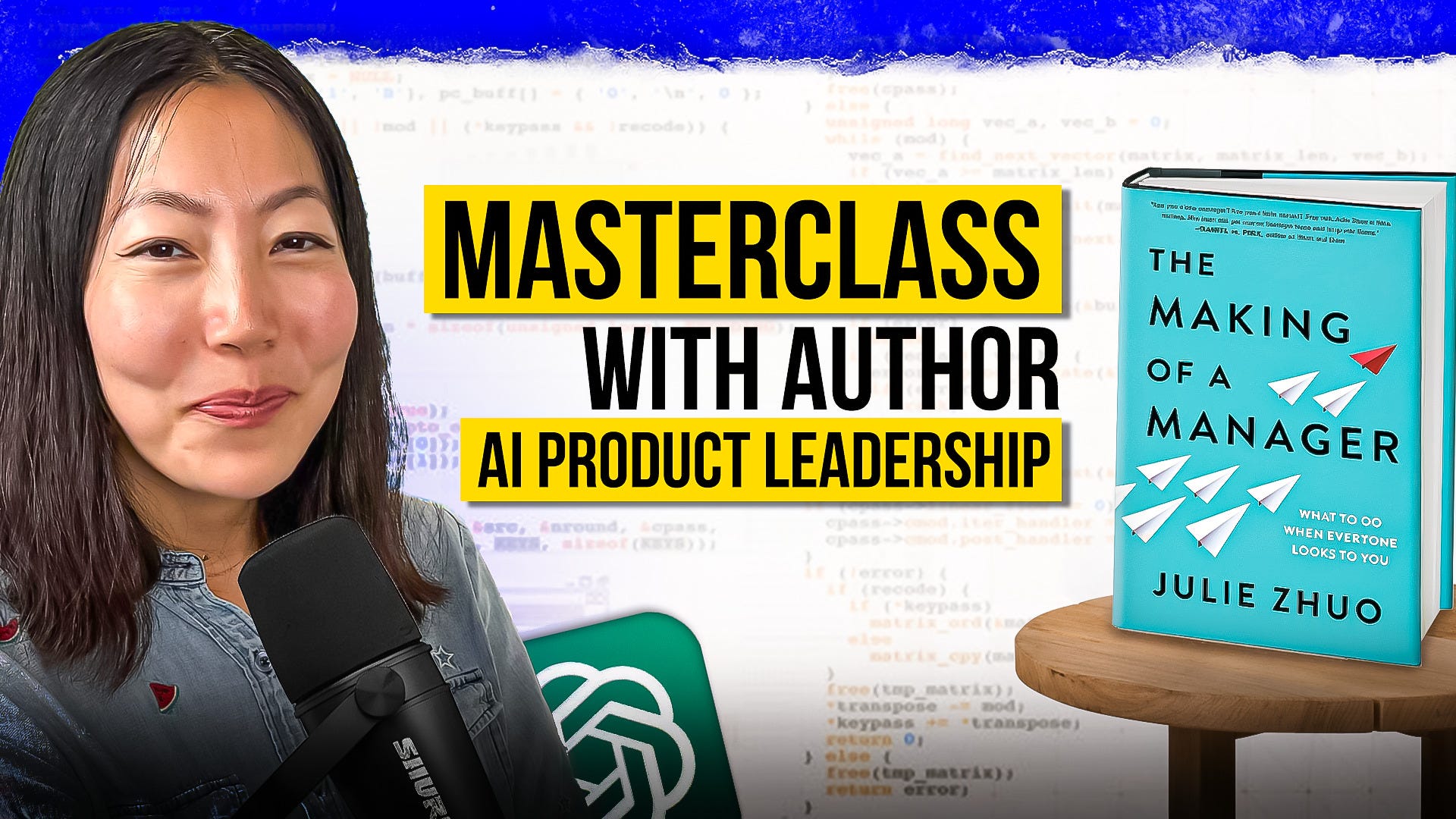
The traditional tasks of a product manager—writing specs, building plans, prototyping—are being automated by AI. The role will likely evolve into a hybrid "Experience Engineer" who combines product, design, and engineering skills to build experiences, or a highly commercial "GM" role with direct P&L responsibility.

As AI automates synthesis and creation, the product manager's core value shifts from managing the development process to deeply contextualizing all available information (market, customer, strategy) to define the *right* product direction.