Get your free personalized podcast brief
We scan new podcasts and send you the top 5 insights daily.
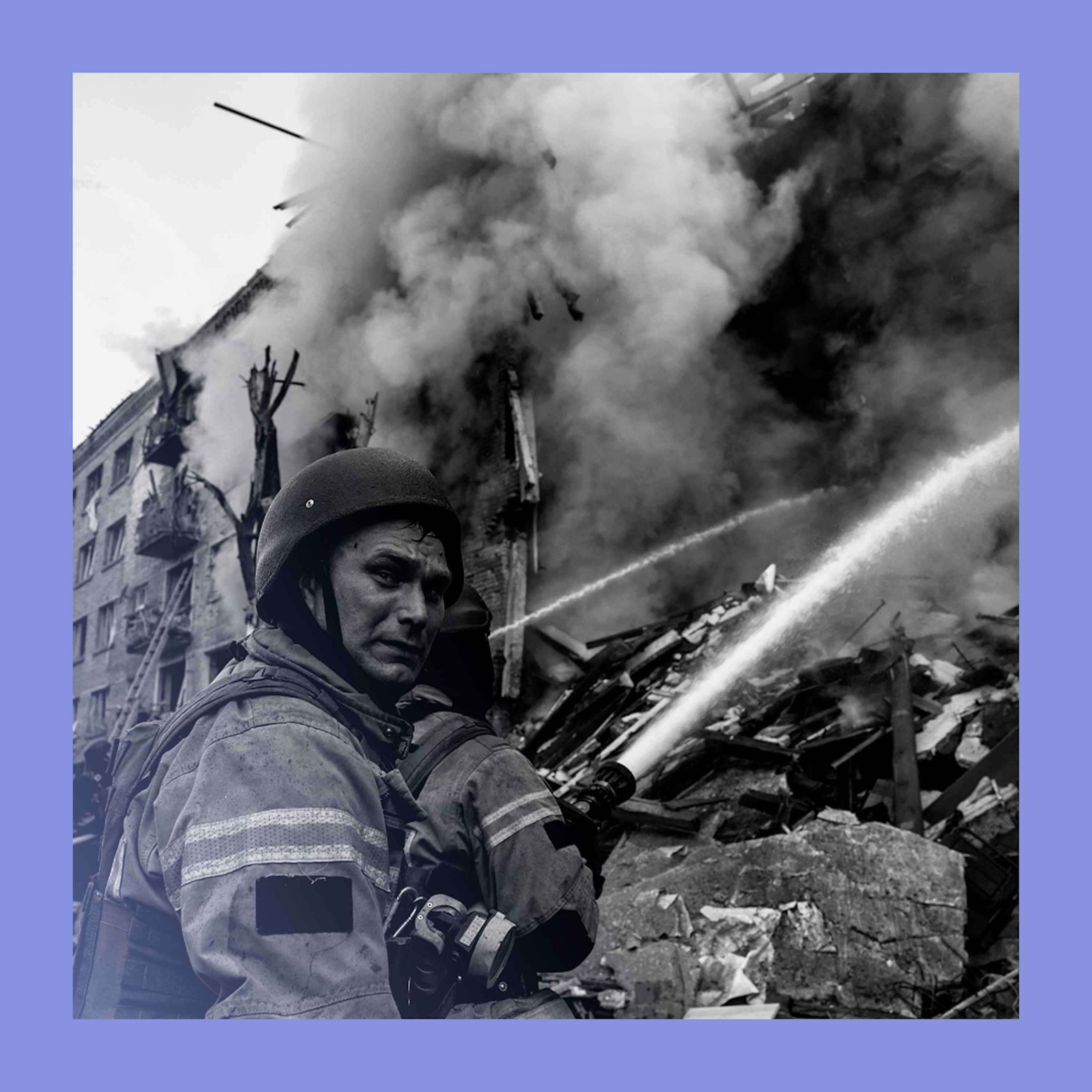
Contrary to the stereotype of being mired in bureaucracy, the European Union has acted swiftly and effectively to support Ukraine. In contrast, the U.S. response has been hampered by its own bureaucracy and political "ill will," subverting common narratives about their respective institutional effectiveness.

Related Insights
Recent, pointless-seeming wars in Iraq and Afghanistan have created a new version of "Vietnam Syndrome." This public and political aversion to foreign intervention makes it nearly impossible for the US to commit to providing crucial, early support in conflicts where it may be necessary, such as in Ukraine.

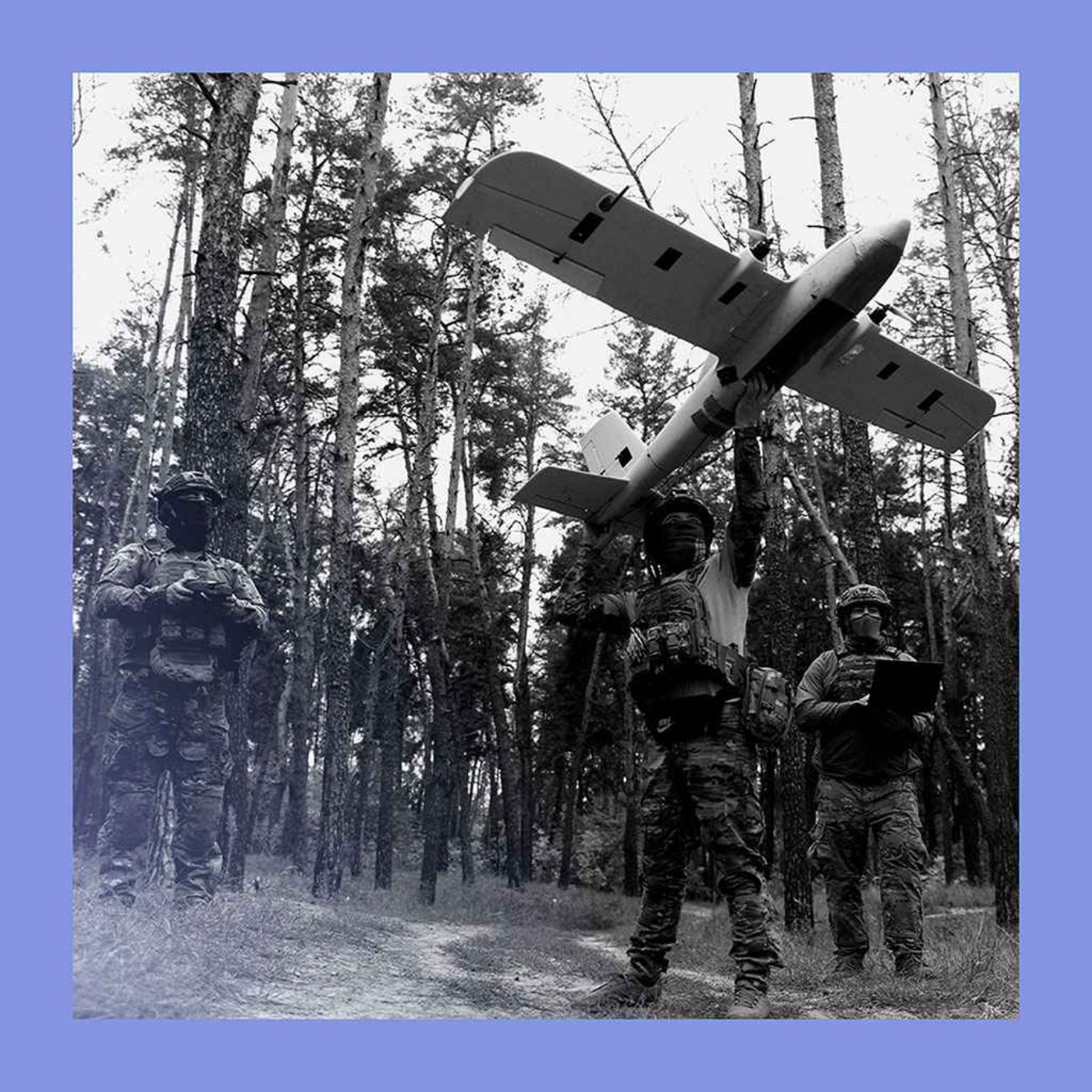
Ukraine needs more than just equipment; it requires direct financial aid, technical expertise, and IP to scale its own defense production. Current aid often involves Western countries buying from their own suppliers, a less efficient model than directly contracting with and empowering Ukrainian companies.

European allies have successfully stepped up to provide Ukraine with military and financial support, replacing diminished U.S. contributions. However, they cannot replicate the unique American role as the central 'convener' of the alliance. The U.S. remains indispensable for pulling allies together to make high-level strategic decisions, such as those concerning war termination.

European leaders have shifted from seeing Ukraine as a moral cause to a vital strategic asset. Ukraine's battle-tested army is viewed as Europe's "shield," and its innovations in drone warfare are seen as Europe's future "arsenal," especially amid doubts about US security guarantees.
The US administration rejected a battle-proven Ukrainian solution for downing Iranian drones before the conflict began, only to need their help later. This failure to leverage allied expertise, especially from a nation with direct experience against similar threats, showcases a critical and ironic gap in US military preparedness.

Ukraine's frustration with the slow EU accession process stems from its belief that it is safeguarding Europe's security with its own soldiers. This self-perception as a security provider, rather than just an aid recipient, fuels impatience with perceived bureaucratic delays and offers of lesser 'associate membership'.
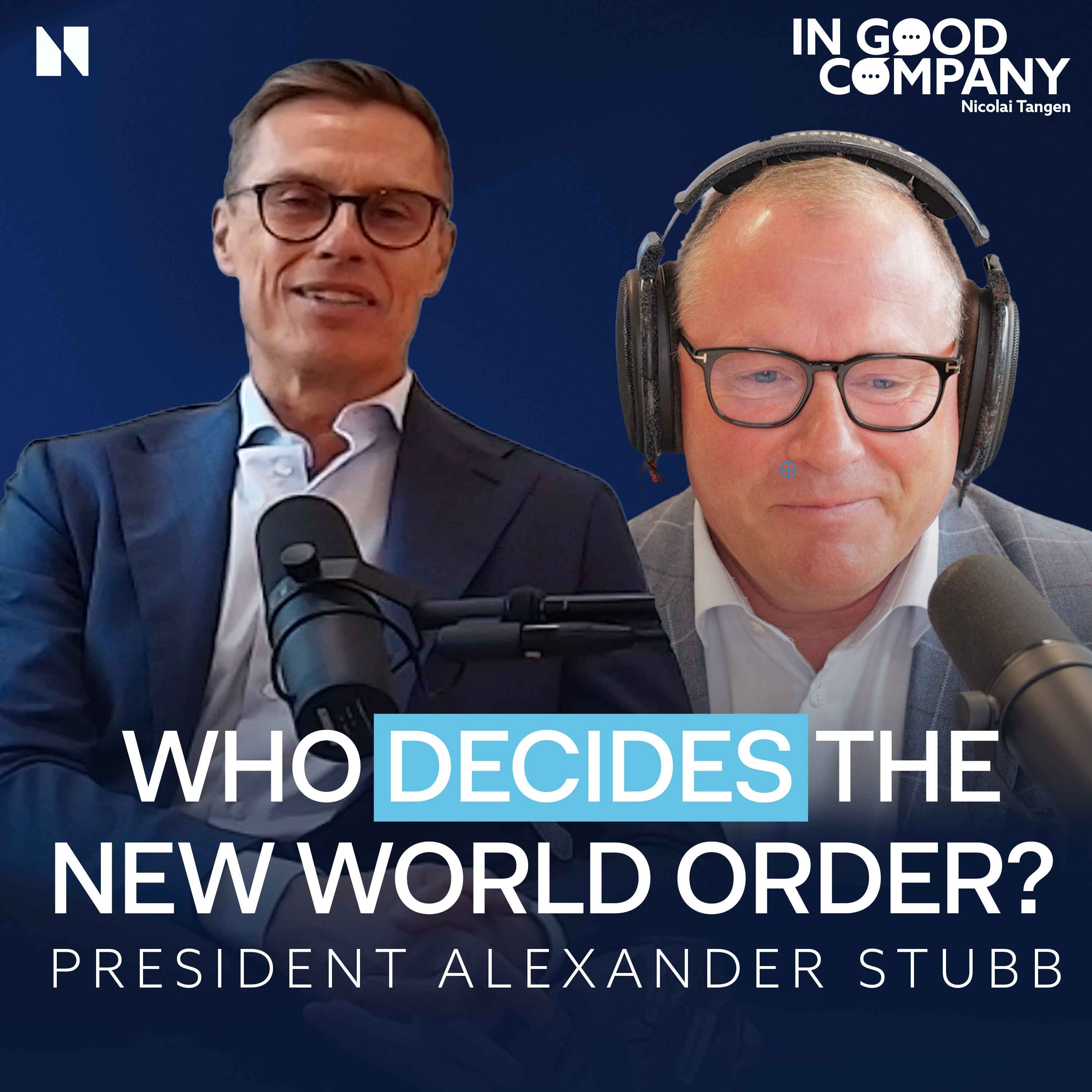
Contrary to predictions of fracture, the EU is more united than ever. President Stubb argues that external pressures—Brexit, the war in Ukraine, and a more demanding US administration—have paradoxically forced member states to rally together and become a more cohesive geopolitical actor.
Contrary to widespread fears that European support for Ukraine would wane, resolve has actually stiffened. Europe has stepped up to replace American financial aid and has become an increasingly vital security partner, demonstrating a surprising resilience and commitment to the conflict despite its long duration.
Critics of the pace of Western aid often fall for a 'magic wand' theory, failing to appreciate the immense, time-consuming effort required to build the entire security assistance enterprise. This includes logistics, training pipelines, and maintenance systems, which cannot be created overnight.
By committing to a multi-year, ~$400 billion funding plan, Europe can turn Ukraine's financial weakness into a strategic advantage. This sustained support would exacerbate Russia's already high financial burden, potentially triggering a banking or inflation crisis and crippling its war machine.