Get your free personalized podcast brief
We scan new podcasts and send you the top 5 insights daily.
People believe it's ethical to lie about a negative trait if the person cannot change it. In a study, 64% endorsed lying about an uncontrollable stutter, but only 19% would lie if it was due to controllable nerves. Feedback is reserved for what's changeable.

Related Insights
The biggest professional and personal problems often stem from a lack of candor. Withholding honest feedback to "keep the peace" is a destructive act that enables bad behavior and builds personal resentment over time. Delivering the truth, even when difficult, is a gift that addresses problems head-on and prevents future failure.

In studies, participants preferred to hire or date people who admitted to negative acts (e.g., being reprimanded) over those who chose a "decline to answer" option. The act of conspicuous concealment is perceived as a fundamental breach of trust that is judged more harshly than the disclosed flaw itself.
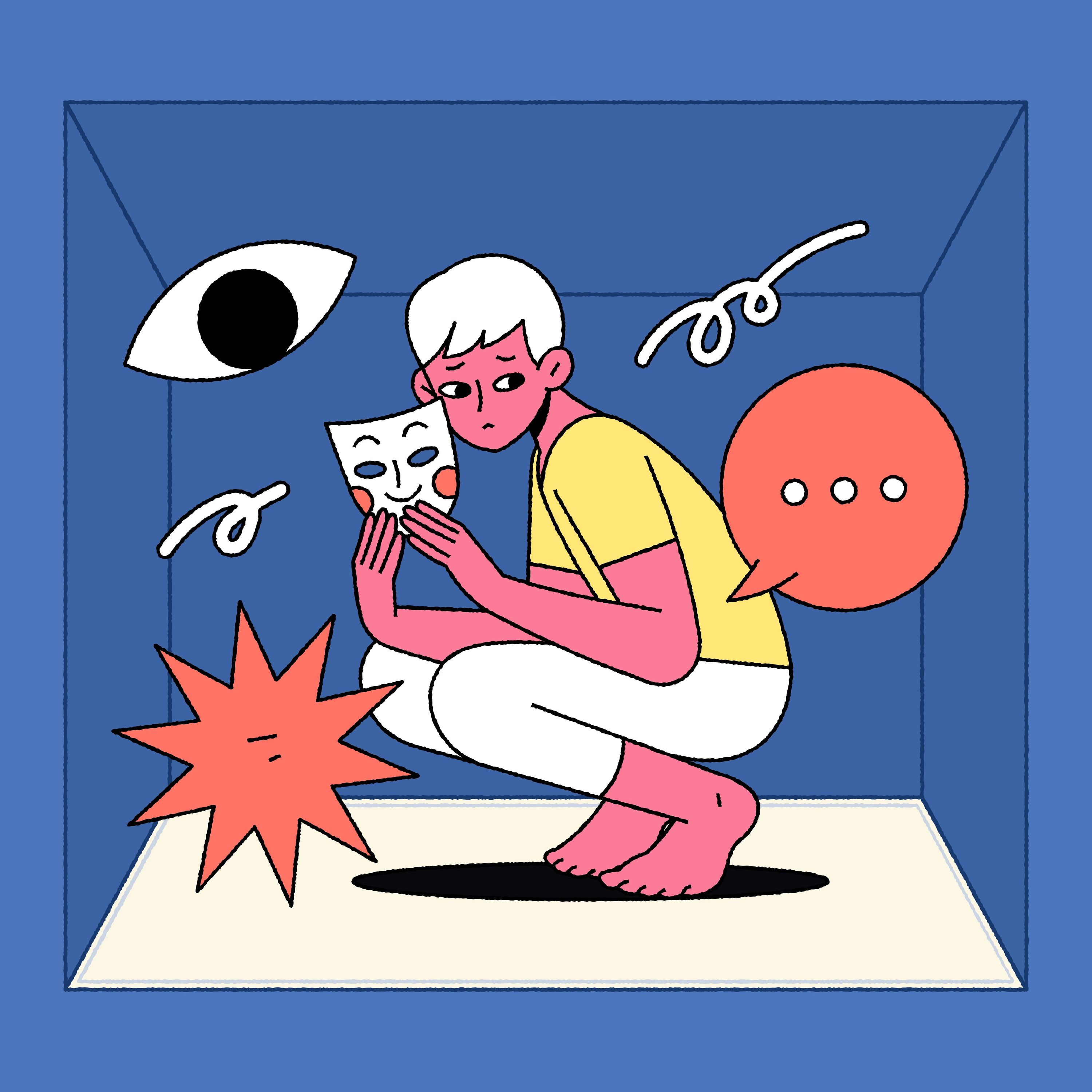
The call for radical workplace honesty ignores the psychological reality that most people view themselves through a self-serving, biased lens. Their "honesty" is often a projection of an inflated self-concept, as true self-awareness is rare and rarely aligned with how others perceive them.

People are far more willing to lie to someone in a vulnerable state. In a study, only 3% would lie to an underperforming employee, but that number jumped to nearly 20% if the employee's father had just been hospitalized.
When a man shares a truth that upsets a woman, she often reacts with displeasure, believing her emotional response will compel him to change his reality. Instead, it teaches him that telling the truth is not worth the negative consequences, effectively training him to withhold information in the future.

Some truths, like telling new parents their baby is ugly, are considered 'bad truths.' They cause significant emotional pain without leading to any learning or positive change, making it a situation where a lie is morally preferable.
When trying to deceive someone, admitting a genuine, less critical flaw can make you seem honest and self-aware. This vulnerability makes the primary lie more credible because the listener thinks, "Why would they tell me this bad thing if the other part wasn't true?"

People are more willing to accept and incorporate feedback about traits they see as secondary, like being "well-spoken" or "witty." Tying feedback to core identity traits, such as kindness or integrity, is more likely to be perceived as a threat and trigger a defensive response.
When people are nervous or lying, their blink rate often increases dramatically. This is an unconscious 'eye blocking' behavior where the brain tries to shut out external stimuli to process the cognitive load of deception. It's a danger zone cue that manipulators cannot easily control.

To check your integrity, imagine your conversation is on speakerphone for all stakeholders to hear. If you feel the need to change your words or ask to be taken off speaker, you are likely changing the core message, not just adapting your style.