Get your free personalized podcast brief
We scan new podcasts and send you the top 5 insights daily.
Liquid Death avoids the high risk of building a new consumer category from scratch (like oat milk). Instead, it targets massive, established markets like water and iced tea, where it can win significant market share through superior, disruptive branding.

Related Insights
A market can seem established, but if existing products are visually unappealing and fail to create an emotional connection, a new entrant can win purely on branding and packaging that captures attention and meets a consumer's need state.

The effect of a surprise diminishes with repetition, as it becomes the new expectation—like a large diamond seeming smaller over time. Challenger brands built on surprise, like Aldi or Liquid Death, must create a system to consistently generate *new* surprises to maintain their edge and avoid fading away.
Recognizing they can't outspend Red Bull on athletes, Liquid Death's energy drink strategy is to be the "only funny energy drink brand." They leverage their core competency in comedy, an area where corporate bureaucracy makes it hard for incumbents to compete effectively.

Most product categories are commodities with minimal functional differences. Success, as shown by Liquid Death in the water category, hinges on building an emotional connection through branding and packaging, which are the primary drivers of consumer choice over minor product benefits.

To break a decades-long stalemate with Pepsi, a Coca-Cola CEO reframed their market from "share of soda" to "share of all liquids." This shifted their market share from 50% to 0.5%, unlocking new growth avenues like bottled water (Dasani) and ultimately dominating the beverage industry.

Small brands cannot afford mass reach initially. An effective strategy is to own a sub-category (e.g., Fever-Tree with premium tonic, Chobani with Greek yogurt). This builds penetration, scale, and mental availability in a defined space before expanding to challenge incumbents.
The founder's key insight was the disparity between the fun, irreverent marketing for unhealthy products (beer, candy) and the boring marketing for healthy ones. The brand's strategy was born from applying the entertaining, humorous tactics of junk food to the healthiest category: water.
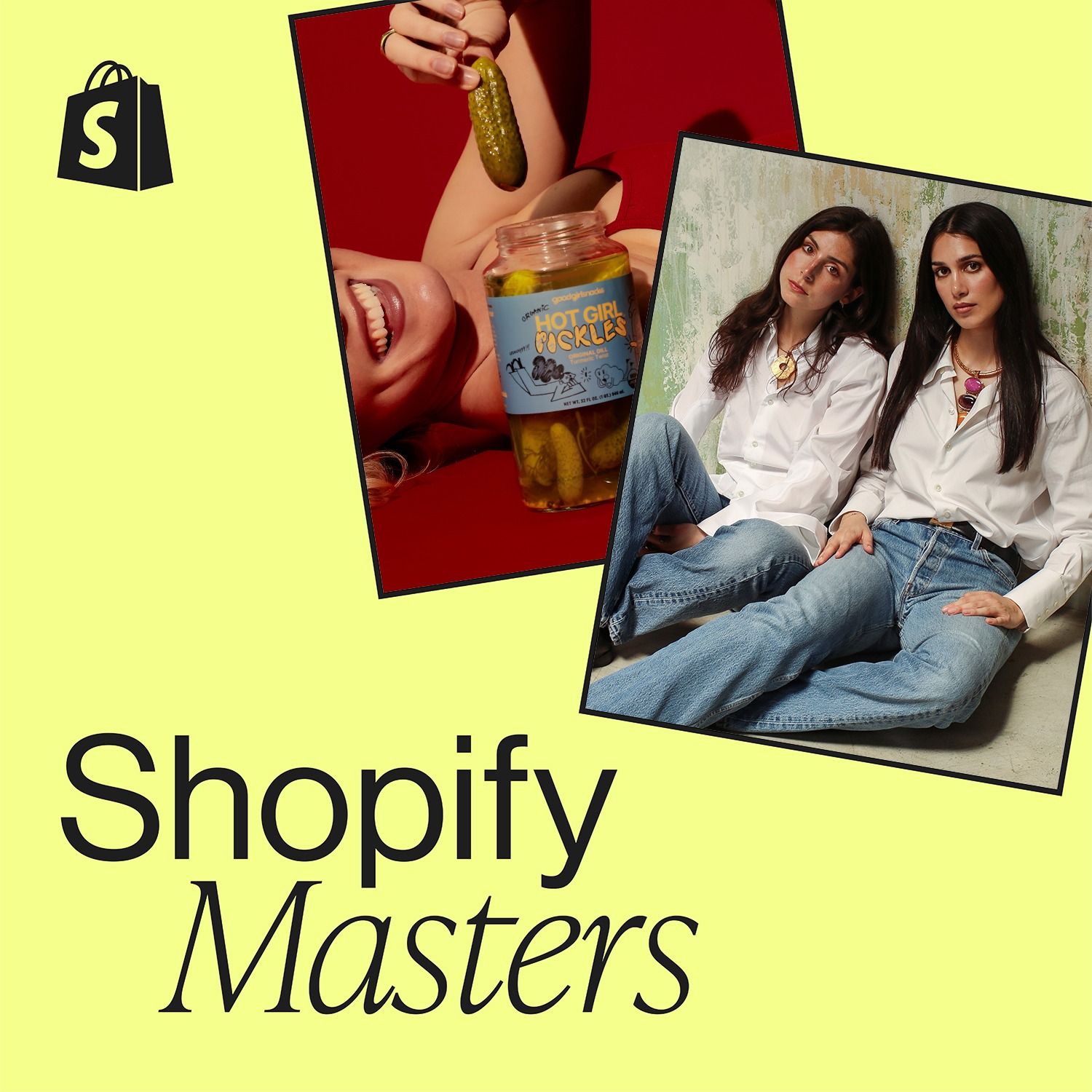
The founders identified a mismatch between the modern, Gen Z pickle consumer on TikTok and the outdated, homogenous branding on store shelves. By targeting a neglected category with bold design and unique flavors, they faced less competition and stood out to both consumers and retail buyers.
Traditional branding competes to be better in an existing market. Category design is a business discipline that changes how the market defines a problem, creating a new space in customers' minds where your company is the only choice. This makes you irreplaceable, not just an incremental improvement.

Counter to tech's "10x better" mantra, Poppi succeeded by making a nostalgic product (soda) just 10-15% better (less sugar, prebiotics). This approach taps into existing consumer habits and emotions, creating a broader market than a radically new, niche product.
