Get your free personalized podcast brief
We scan new podcasts and send you the top 5 insights daily.
Counter to tech's "10x better" mantra, Poppi succeeded by making a nostalgic product (soda) just 10-15% better (less sugar, prebiotics). This approach taps into existing consumer habits and emotions, creating a broader market than a radically new, niche product.

Related Insights
In a beverage market dominated by giants like Pepsi and Coke, Poppi's founders recognized that a strategic acquisition was the only path to global scale. They couldn't get into venues like stadiums due to existing contracts, so they intentionally built the company to be an attractive acquisition target.

Poppi's core product didn't drastically change from its "Mother Beverage" origins. The hyper-growth was unlocked by shifting the branding and positioning from a niche health product to a familiar, mass-market category (soda), making it accessible and desirable to a much broader audience.
Large corporations like PepsiCo have effectively outsourced innovation, avoiding the risk of building new brands by acquiring successful startups like Poppi. This dynamic creates a clear and lucrative exit path for entrepreneurs who can build the "next big thing," as they are creating acquisition targets, not just competitors.

The playbook for consumer brands has evolved. Early DTC successes often involved parity products with better marketing (e.g., Harry's vs. Gillette). Today, with more sophisticated consumers and tools, sustained success requires genuine product innovation, such as a skincare brand with novel science. A clever distribution model is no longer enough.

Instead of fearing beverage giants like Coca-Cola entering the functional soda space, Olipop's founder views it as a positive development. He sees their entry as an "honor" that provides massive validation for the category he created, proving its potential and longevity to the broader market.

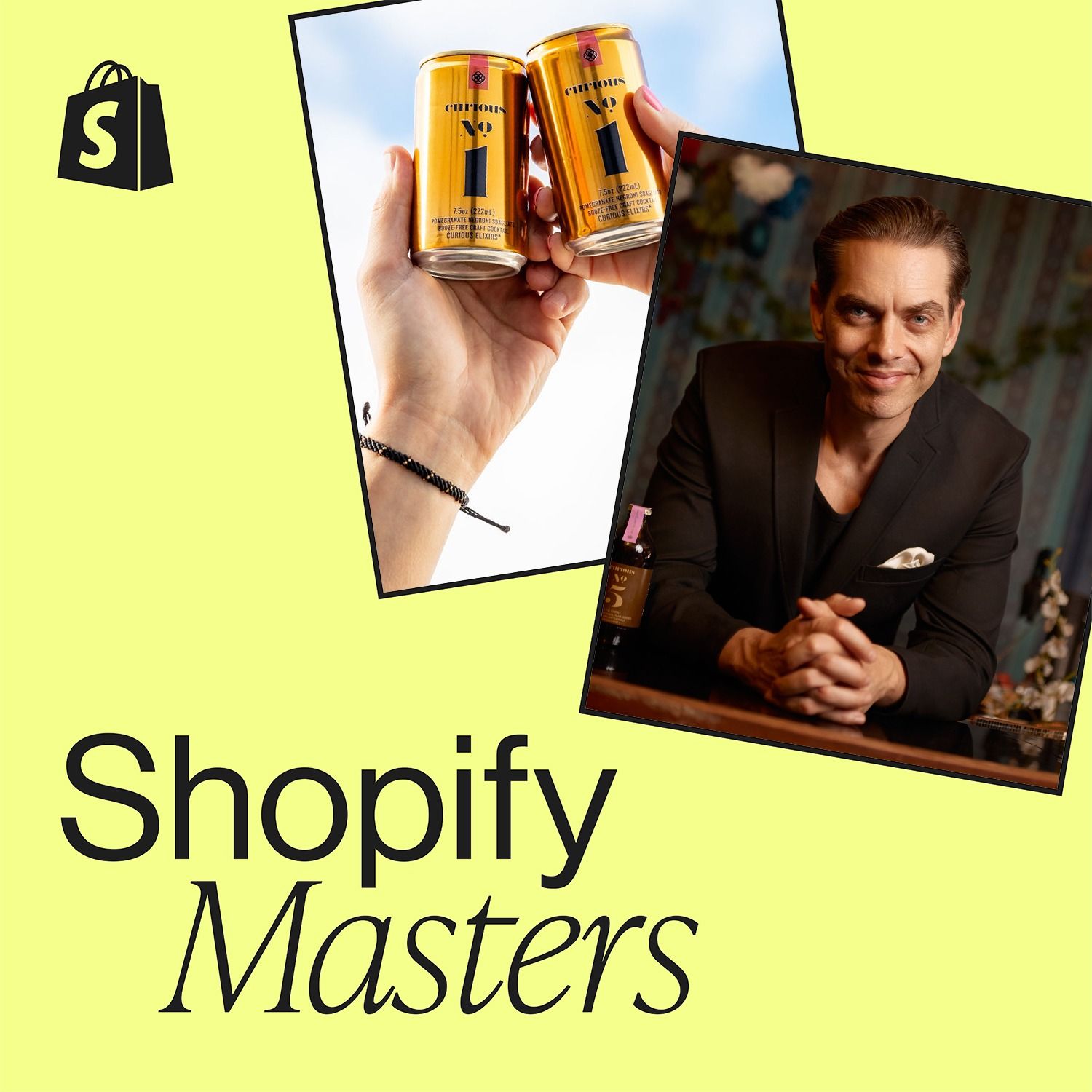
The key business insight came not from the target sober-curious niche, but when a general party audience drained the non-alcoholic punch bowl faster than the boozy one. This proved a much larger addressable market existed among casual and social drinkers.
As consumers shift away from sugary drinks, Coca-Cola's dominance in the diet and health-conscious space is a key driver of its outperformance. Americans drink 2.5 times more Diet Coke than Diet Pepsi, and Coca-Cola was quicker to expand into adjacent healthy categories like protein shakes, capturing a consumer base that Pepsi struggles to win.

To create a successful new product, find the balance between what consumers already know and what is new. If a product is too familiar, it lacks differentiation. If it's too novel, it becomes foreign and difficult for consumers to adopt, creating a high barrier to entry.
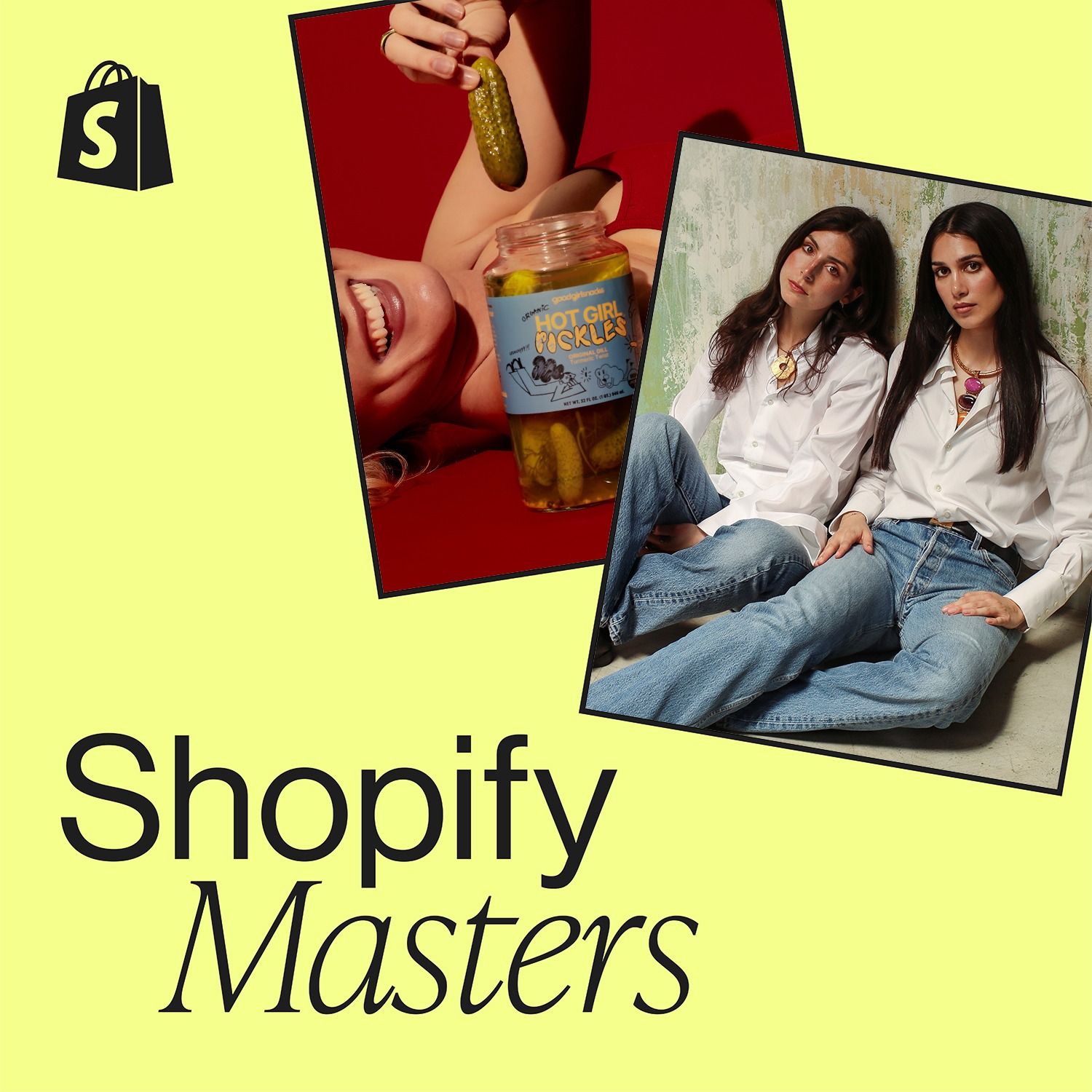
The founders identified a mismatch between the modern, Gen Z pickle consumer on TikTok and the outdated, homogenous branding on store shelves. By targeting a neglected category with bold design and unique flavors, they faced less competition and stood out to both consumers and retail buyers.
The success of "Zero Sugar" sodas over "Diet" sodas, despite being nearly identical products, reveals a generational shift in values. Younger consumers reject the restrictive connotations of "dieting" and embrace the positive, wellness-focused language of "zero," which aligns with a lifestyle of health optimization.