Get your free personalized podcast brief
We scan new podcasts and send you the top 5 insights daily.
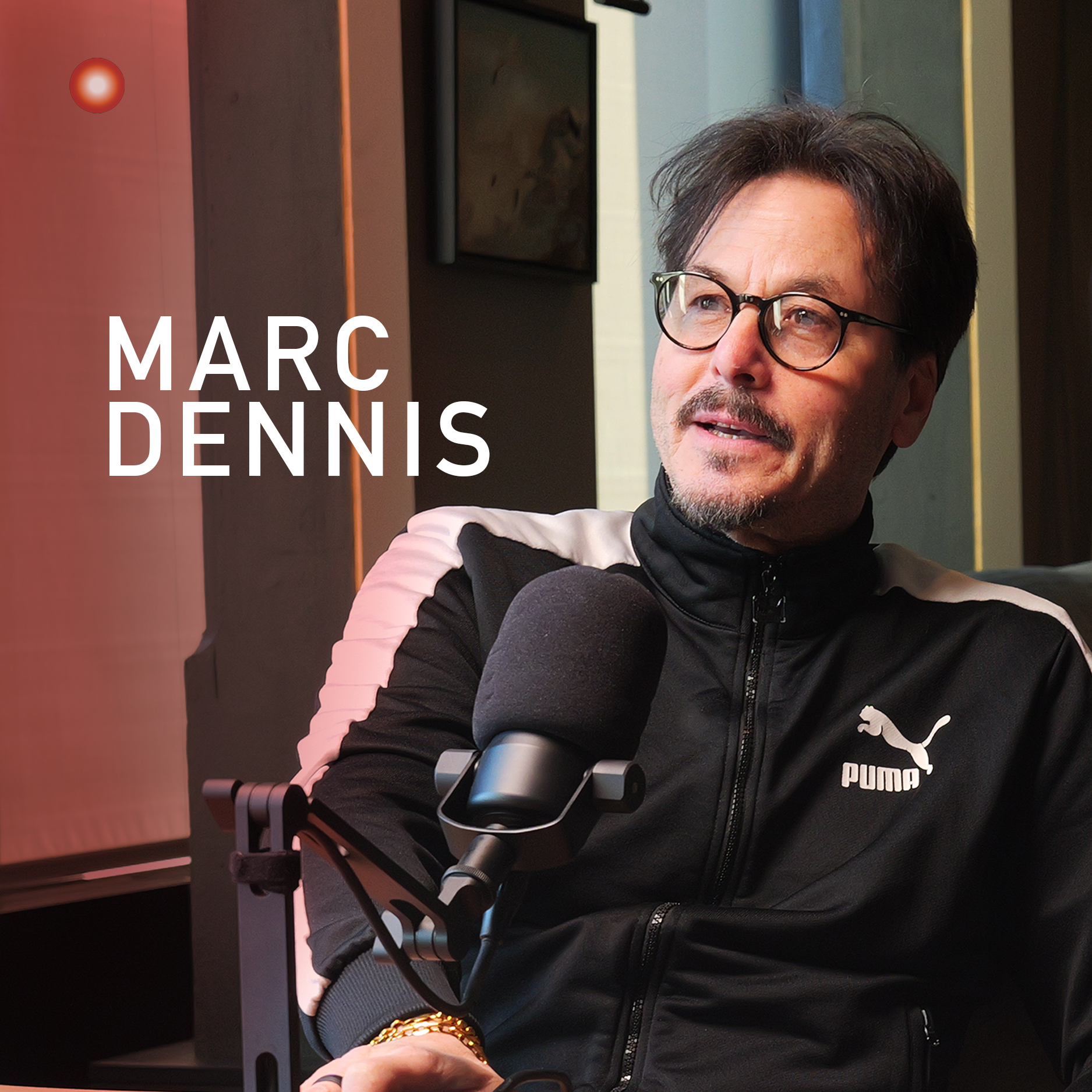
After starting a forest fire at age seven, a firefighter's comment about the animals that lost their homes struck Marc Dennis profoundly. This single, powerful memory of unintended consequences and displacement became a recurring theme he has painted about throughout his career.
Related Insights
Judd Apatow suggests that trauma makes creatives hyper-observant and obsessive because they don't feel safe. This constant analysis of the world, born from a need to understand 'why,' becomes the raw material for art, whether it's comedy, music, or film.

Springsteen directly links the emotional neglect of his youth to the relentless drive in his music. He describes his career as a 'desperate, lifelong effort to rebuild' a sense of home, turning deep-seated pain into his primary source of creative fuel.

Artist Marc Dennis started writing his memoir not for an audience, but as a way to communicate with his younger brother after he passed away. This deeply personal, therapeutic act of writing daily letters evolved into a broader collection of life stories and memories, born from grief rather than ambition.
Artists can become emotionally detached from their own work over time. Experiencing profound personal hardship, while devastating, can be a 'gift' that forces a reconnection with the visceral emotions their music explores. This allows them to see their art through the fans' eyes again, understanding the catharsis their audience experiences on a much deeper level.
A single, intense childhood experience—being forced to complete a grueling 100-mile bike ride—instilled a lifelong operating principle for Dean Otto. This "Finish the Ride" mentality became a subconscious, reflexive driver that helped him overcome immense adult adversity, proving the lasting power of early character-building moments.

Instead of offering a formula for success, artist Marc Dennis tells aspiring creatives that the key to failure is trying to please everyone. True artistic success requires finding and staying true to a unique voice, even if it disappoints others' expectations or preconceived notions.
Marc Dennis states his purpose is not self-expression or personal catharsis. Instead, he aims to create work that entertains others, providing a mirror for them to reflect upon and discover parts of themselves within his art. His success is measured by the audience's self-discovery.
As creators become successful, their comfortable lives can create a 'relatability crisis,' severing their connection to the struggles that fuel their art. To combat this, they must consciously 'pick open some scabs' from their past. Revisiting old heartbreaks, failures, and traumas becomes a necessary tool for finding authentic, resonant material when current life lacks friction.
Dennis creates "paintings within paintings" to challenge perception. Inspired by Wile E. Coyote and a real-life museum experience, his work makes the viewer's interaction part of the art itself, creating a nested, self-aware narrative that questions the relationship between art and its audience.
Artist Marc Dennis combines his obsessive, hyper-real painting skill with an unserious sense of humor. He views this humor not as a gimmick but as a "high voltage technique" that energizes his technically demanding work and injects his distinct personality, preventing it from being solely about craftsmanship.