Get your free personalized podcast brief
We scan new podcasts and send you the top 5 insights daily.
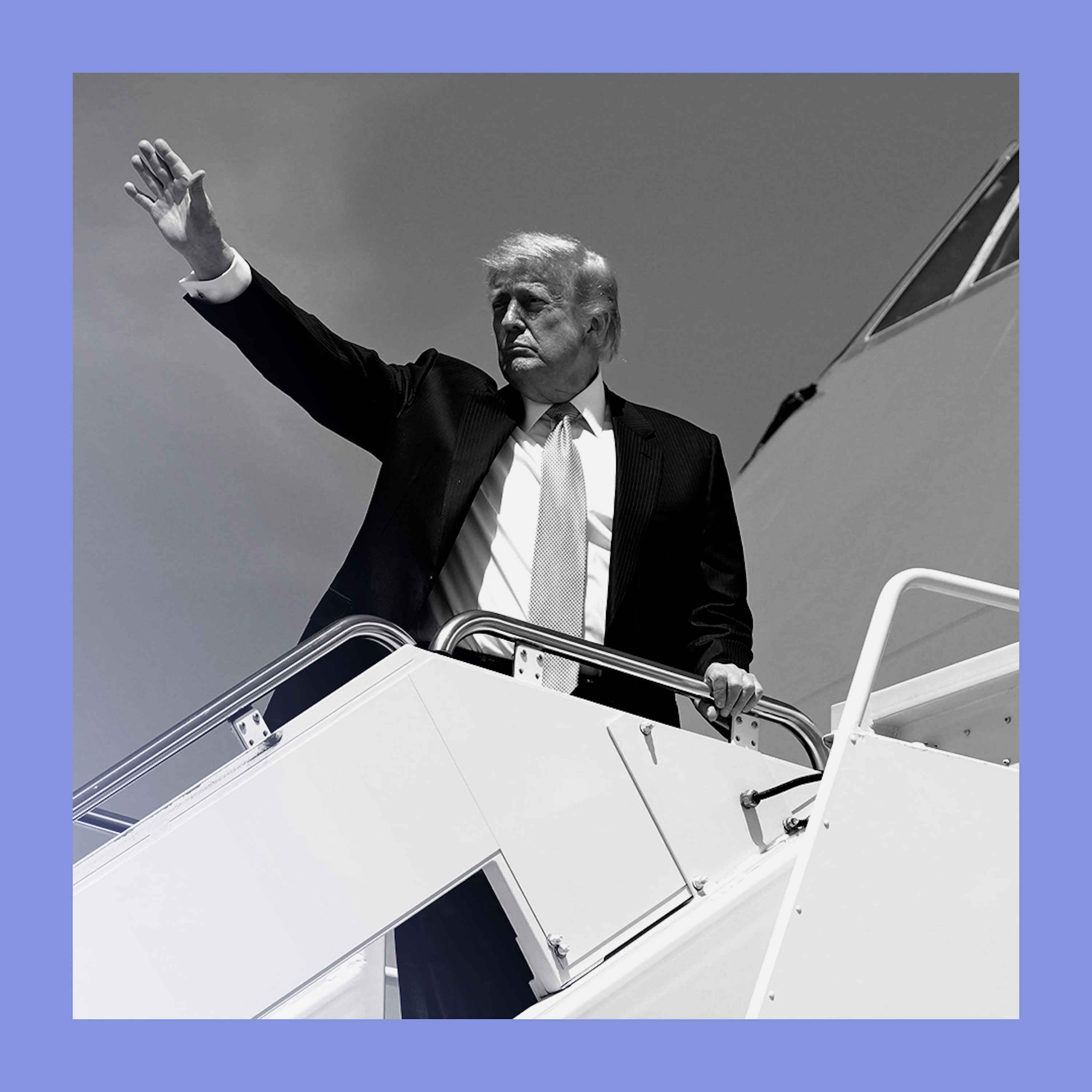
During the Trump-Xi summit, China is explicitly linking its willingness to make economic deals, such as buying more American goods, to the U.S. shifting its stance on Taiwan. Beijing wants President Trump to formally oppose Taiwanese independence, using trade as a bargaining chip for a key geopolitical objective.
Related Insights
Beijing's unclear stance on Nvidia H200 chip imports is a strategic negotiation tactic, not a definitive ban. This ambiguity creates leverage to extract concessions from the U.S. in trade talks, using the tech sector as a pawn in a larger geopolitical game.

Despite its military buildup, China's primary strategy for Taiwan is not a direct invasion, which remains highly difficult. Instead, President Xi Jinping favors a coerced diplomacy, aiming to squeeze Taiwan on all sides until it feels it has no choice but to accept a 'one country, two systems' model.
Given President Trump's transactional nature and disinterest in Taiwan, it is argued that Chinese President Xi Jinping would be derelict not to offer him a massive personal financial incentive in exchange for abandoning America's security commitment to the island. This presents a non-military path for Chinese influence.

For the first time, China's economic power—measured by purchasing power parity, manufacturing output, and control over critical minerals—has shifted the global power balance. This gives President Xi a stronger negotiating position than his U.S. counterpart, as China can now weaponize economic dependencies more effectively.

The unusual prominence of the Treasury Secretary, rather than the Secretary of State, in preparing the Trump-Xi summit indicates a primary focus on economic issues like tariffs and supply chains. This commercial-first agenda risks sidelining critical national security topics like Taiwan and regional military expansion.

China is pushing for a subtle but profound change in U.S. diplomatic language regarding Taiwan. Moving from the current stance of "not supporting" independence to "opposing" it would shift the blame for regional tension onto Taiwan and represent a major strategic win for Beijing.
Beijing's leadership believes President Trump is the American leader most likely to strike a deal favorable to them. They perceive him as non-ideological and primarily focused on trade balances, rather than on challenging China's 'core interests' such as human rights or geopolitical ambitions.

President Xi Jinping used a phone call with President Trump not just for bilateral issues, but to strategically signal displeasure with Japan's hawkish stance on Taiwan. This "shadow play" diplomacy shows China leveraging its relationship with the U.S. to indirectly manage and warn other nations, making the U.S. a channel for its geopolitical messaging.

Recent trade talks deliberately sidestepped core geopolitical issues like Taiwan and the South China Sea. This highlights that economic agreements are merely treating symptoms. The fundamental problem is a geopolitical power struggle, which will continue to undermine any economic progress.
The latest US-China trade talks signal a shift from unilateral US pressure to a negotiation between equals. China is now effectively using its control over critical exports, like rare earth minerals, as a bargaining chip to compel the U.S. to pause its own restrictions on items like semiconductors.
