Controversy over Russia's and Israel's participation is fragmenting the Venice Biennale's globalist ethos, causing national pavilions to become more inward-looking. The US pavilion, for instance, now mandates a focus on "American values" while forbidding mentions of DEI, signaling a broader shift from globalization to localization in the art world.
As consumers shift away from sugary drinks, Coca-Cola's dominance in the diet and health-conscious space is a key driver of its outperformance. Americans drink 2.5 times more Diet Coke than Diet Pepsi, and Coca-Cola was quicker to expand into adjacent healthy categories like protein shakes, capturing a consumer base that Pepsi struggles to win.
Unlike its rival Coca-Cola, PepsiCo earns over half its revenue from packaged foods. This diversification became a liability when the company raised food prices well above inflation and competitors post-pandemic. The resulting consumer backlash is a key driver of its recent market cap slump while Coke's has risen.
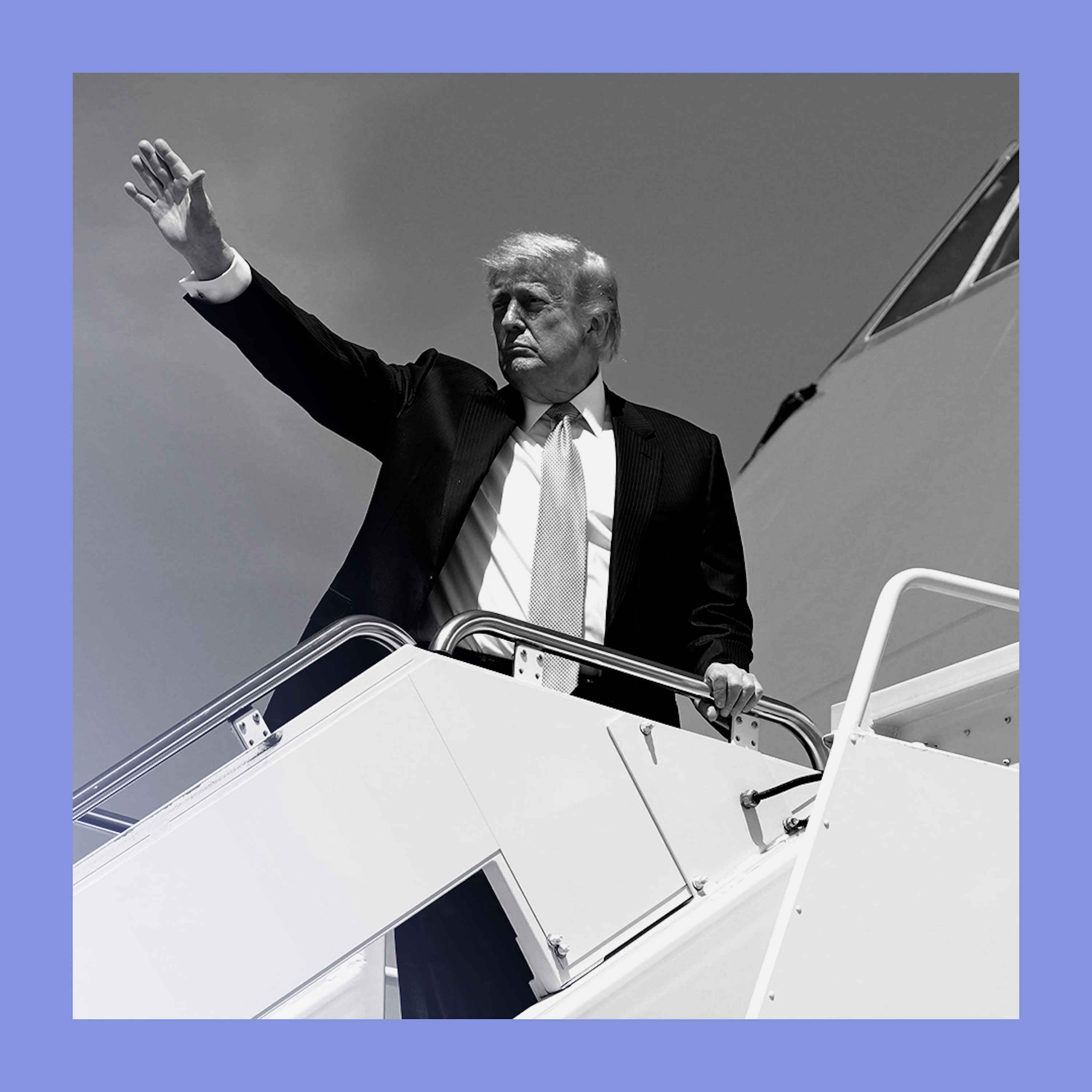
Expectations for the Trump-Xi summit are so low that preventing a complete collapse of talks is considered a positive outcome. After nearly triggering a global recession, the primary goal is stability, not a "grand bargain." The mere act of meeting is significant, as it marks the first visit by a US leader in nearly a decade, reframing success as crisis management.
During the Trump-Xi summit, China is explicitly linking its willingness to make economic deals, such as buying more American goods, to the U.S. shifting its stance on Taiwan. Beijing wants President Trump to formally oppose Taiwanese independence, using trade as a bargaining chip for a key geopolitical objective.