Get your free personalized podcast brief
We scan new podcasts and send you the top 5 insights daily.
For the first time, China's economic power—measured by purchasing power parity, manufacturing output, and control over critical minerals—has shifted the global power balance. This gives President Xi a stronger negotiating position than his U.S. counterpart, as China can now weaponize economic dependencies more effectively.

Related Insights
Unlike in the West, China's economic dysfunctions like industrial overcapacity paradoxically strengthen its global position. This creates massive trade surpluses and investment leverage, forcing other nations to welcome Chinese capital and increasing Beijing's geopolitical heft.

While the US focuses on quarterly returns, China has spent decades investing in and controlling the supply chain for critical minerals essential for technology and defense, securing long-term leverage.

The strategic competition with China is often viewed through a high-tech military lens, but its true power lies in dominating the low-tech supply chain. China can cripple other economies by simply withholding basic components like nuts, bolts, and screws, proving that industrial basics are a key geopolitical weapon.

China is leveraging its 90% control over rare earth processing not just against the US, but globally. By requiring licenses from any company worldwide, it creates a chokehold on high-tech manufacturing and establishes a new template for economic coercion.
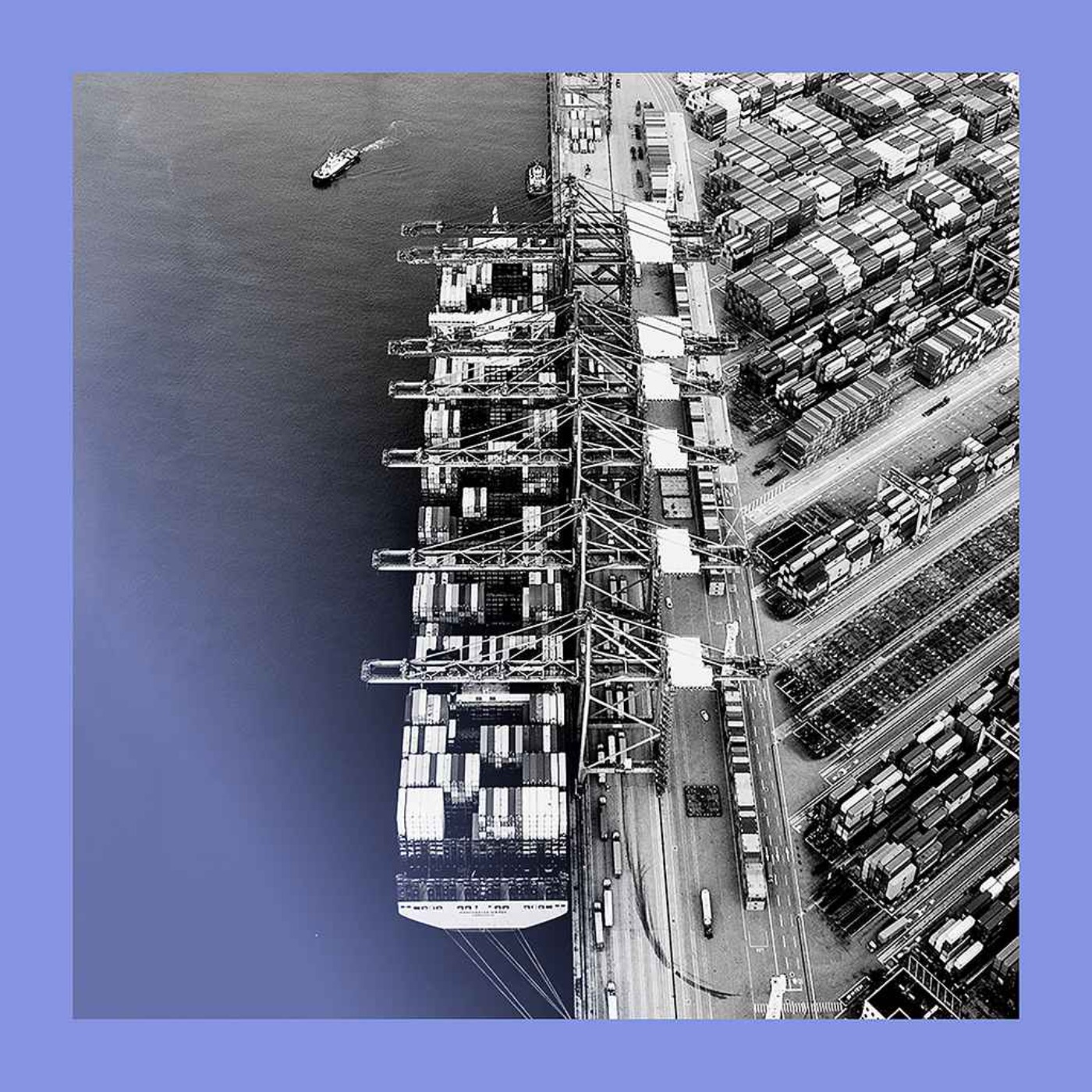
China demonstrated its significant leverage over the U.S. by quickly pressuring the Trump administration through a partial embargo on rare earth metals. This showcased a powerful non-tariff weapon rooted in its control of critical mineral supply chains, which are also vital for defense applications.

While headlines focus on advanced chips, China’s real leverage comes from its strategic control over less glamorous but essential upstream inputs like rare earths and magnets. It has even banned the export of magnet-making technology, creating critical, hard-to-solve bottlenecks for Western manufacturing.

Contrary to common perception, China holds the stronger hand in its relationship with the U.S. As the world's creditor and primary producer, China can sell its goods to billions of other global consumers. The U.S., as a debtor and consumer nation, is far more dependent on China than the other way around.

China is no longer just mirroring US trade restrictions in a tit-for-tat manner. It is now offensively mapping its own supply chains to identify and control global choke points, proactively weaponizing its dominance in critical materials and technologies to exert geopolitical pressure.

The latest US-China trade talks signal a shift from unilateral US pressure to a negotiation between equals. China is now effectively using its control over critical exports, like rare earth minerals, as a bargaining chip to compel the U.S. to pause its own restrictions on items like semiconductors.

China's ascent to a peer competitor wasn't through tanks and missiles. It used factories, ports, and loans to build global influence and absorb technology, capital, and leverage, particularly while the US was distracted by wars in the Middle East.