Get your free personalized podcast brief
We scan new podcasts and send you the top 5 insights daily.
For the most sought-after designers, a mandatory initial screening call with a non-specialist recruiter is a dealbreaker. These candidates expect their first conversation to be with the hiring manager or an executive and will ignore processes that don't.

Related Insights
A-player candidates view the interview process as a direct reflection of how the company operates. If interviewers are unprepared, ask redundant questions, or lack a clear process, top talent will assume the entire organization is similarly chaotic and be deterred from joining.

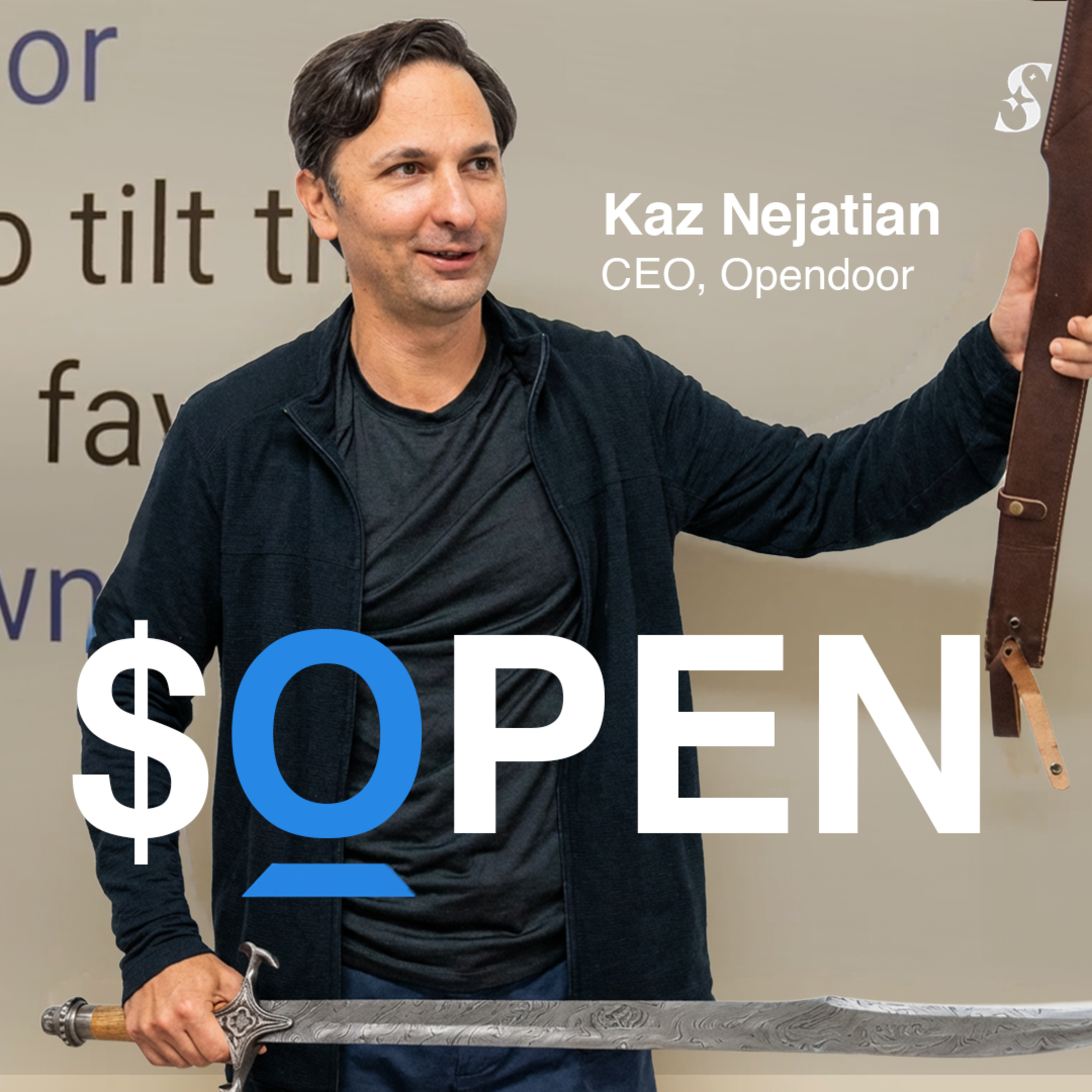
Opendoor intentionally designs its careers page to scare away the vast majority of applicants. This counterintuitive strategy creates a high-signal recruiting funnel by setting aggressive expectations upfront, ensuring only candidates truly aligned with the intense mission and culture will apply.
Candidates are more likely to be fully transparent with an external recruiter than with a potential employer. The recruiter acts as a trusted intermediary, allowing them to gather honest feedback on compensation, role, and concerns, which is critical for closing top talent.

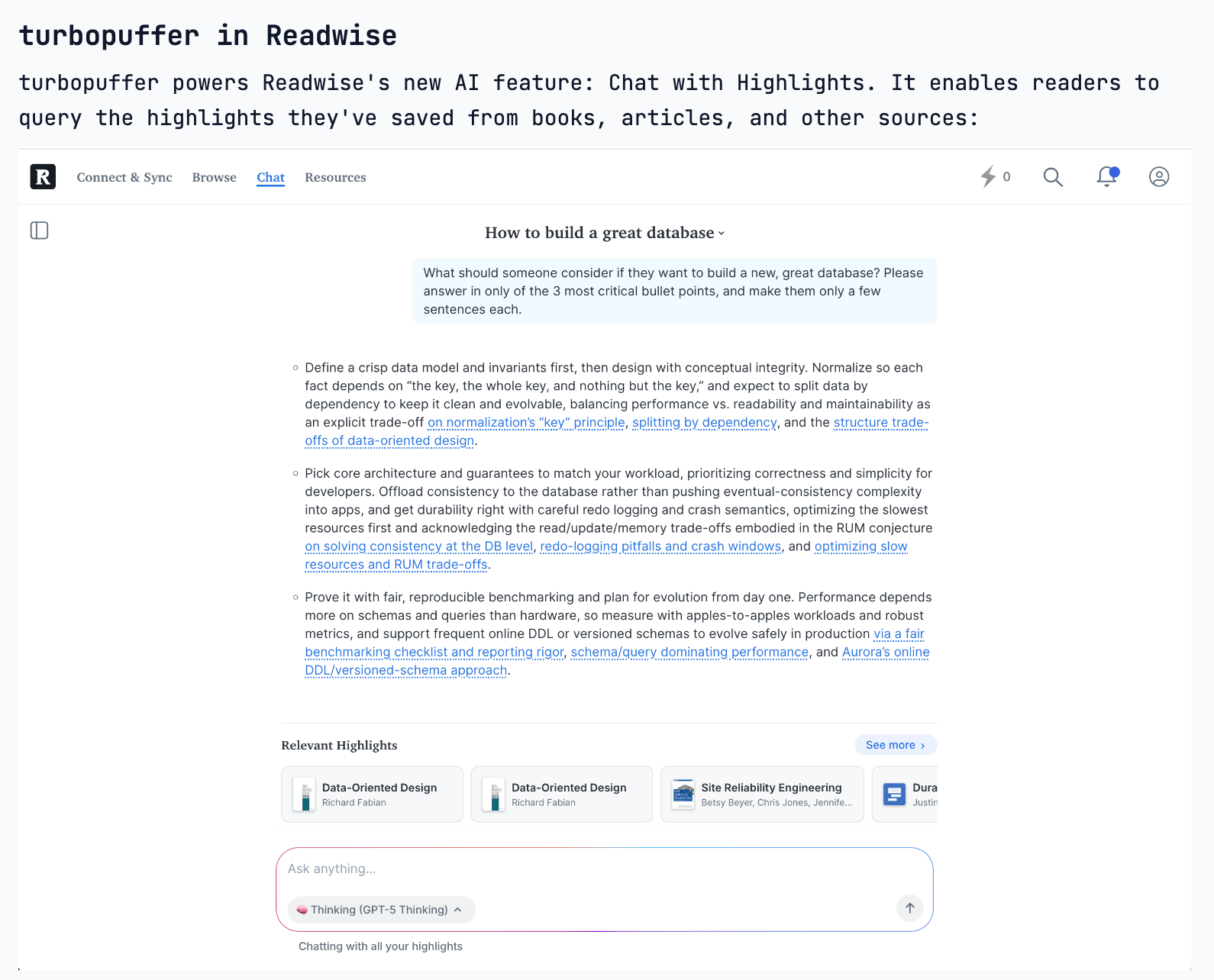
To maintain an exceptionally high talent density, Turbopuffer's hiring process defaults to rejecting a candidate. An offer is only considered if at least one interviewer is willing to passionately "fight" for them, shifting the burden of proof from "why not hire" to "why we must hire."
Actively repel unqualified candidates by showcasing your company's most intense or controversial values upfront. This 'anti-sell' acts as a 'shit test,' ensuring only those who align with your demanding culture will apply, saving immense time in the hiring process.

The first informal conversation with a recruiter is not just a screening call; it's a crucial evaluative step. This discussion heavily influences the initial leveling decision (e.g., senior vs. staff), which determines the entire interview loop structure. Candidates must actively sell their scope and impact from this very first touchpoint.
Forward-thinking companies are ditching lengthy, theatrical interview loops for a brief "vibe check" call to assess personality fit. They then move directly to a paid work trial, which is far more predictive of real-world collaboration and skill.
Elite hiring processes are bespoke and ad-hoc, not rigidly consistent. Treat the candidate as the atomic unit, not the job description. This means tailoring the interview experience—from who they meet to the topics discussed—to that specific person, rather than forcing everyone through an identical, robotic process.

Hiring managers increasingly see a candidate's lack of demonstrated interest in new AI tools and processes as the number one red flag. While expertise isn't required, a visible curiosity and willingness to experiment is a powerful signal of a designer's relevance and commitment to growth in the current market.
Most companies use a "funnel of doom" approach, hiring from the small percentage of people who reply to outreach. This isn't the top talent, but rather the people you caught on a bad day. The process weeds people out, leaving you to hire the "remainder," which regresses your team to the mean over time.