Get your free personalized podcast brief
We scan new podcasts and send you the top 5 insights daily.
Most companies use a "funnel of doom" approach, hiring from the small percentage of people who reply to outreach. This isn't the top talent, but rather the people you caught on a bad day. The process weeds people out, leaving you to hire the "remainder," which regresses your team to the mean over time.

Related Insights
Building a top-tier team requires the same continuous effort as building a sales pipeline. Leaders should not passively rely on HR or external recruiters. Instead, they must actively and continuously 'pipeline generate' for A-player candidates, treating recruiting as a core, non-delegable responsibility to handpick their ideal team.

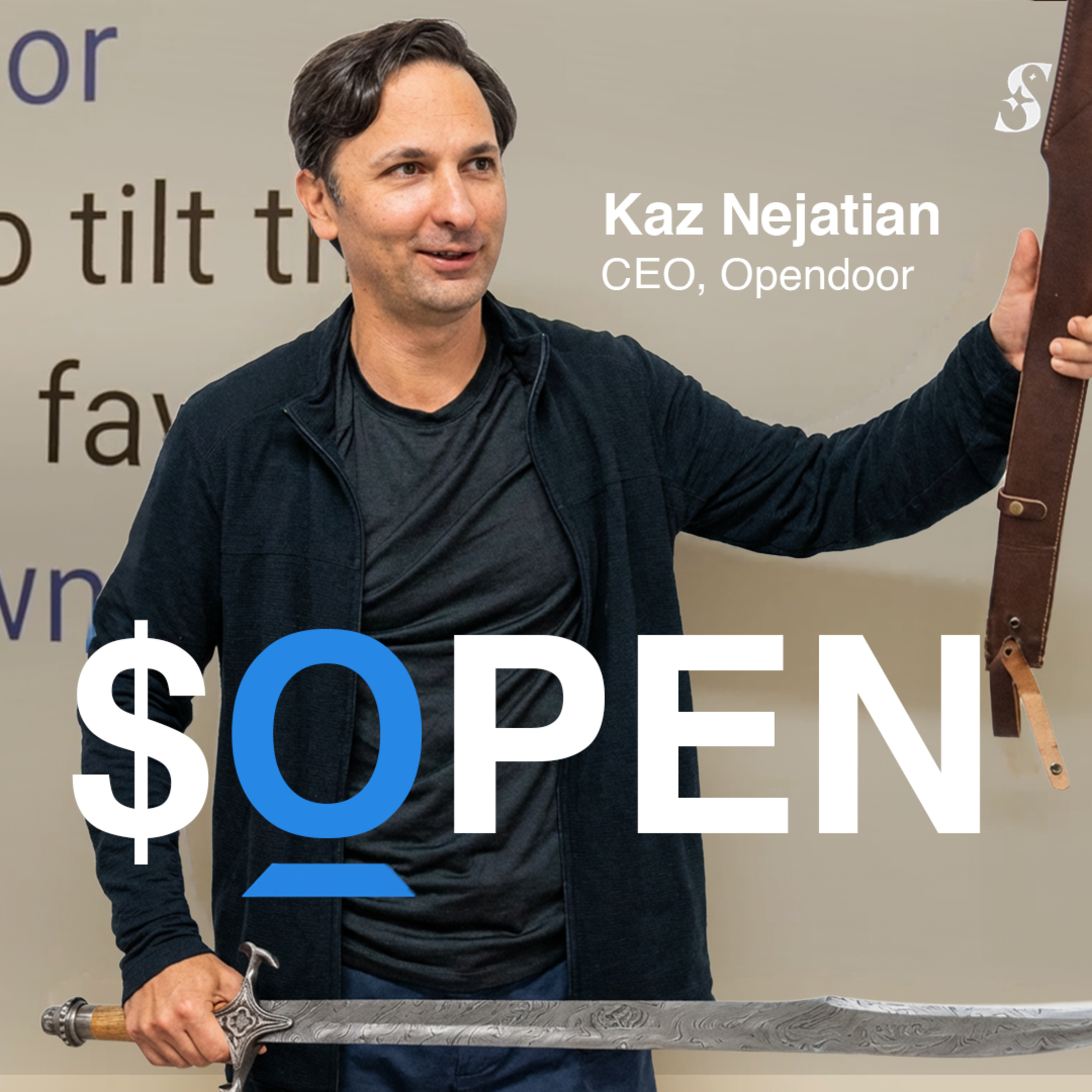
Opendoor intentionally designs its careers page to scare away the vast majority of applicants. This counterintuitive strategy creates a high-signal recruiting funnel by setting aggressive expectations upfront, ensuring only candidates truly aligned with the intense mission and culture will apply.
The traditional advice to 'hire slow' makes you miss opportunities. Top talent is only available in brief windows, so you must move quickly to engage and test them. Conversely, keeping a bad hire on the team is costly; remove them immediately to protect your team's culture and productivity.

The same marketing funnels used to acquire paying customers can be directly applied to attract and 'close' new employees. This reframes recruiting from a siloed HR function to a core marketing activity, allowing you to leverage skills you already have to build your team.

Your hiring funnel has an ideal customer profile, just like sales. Analyze your top-performing employees to identify common demographics, past experiences, and behaviors. Use this 'avatar' to filter applications and target your sourcing efforts, increasing the likelihood of success for new hires.

Conventional hiring—opening a role and then searching—is inefficient. Chesky advocates for 'pipeline recruiting,' a continuous process of meeting the best people in a field, asking them for introductions to other top talent, and building a deep rolodex long before a specific need arises.
![Brian Chesky - AI Founder Mode - [Invest Like the Best, EP.470] thumbnail](https://megaphone.imgix.net/podcasts/6162ba8a-4843-11f1-b7b7-53d3b402f9a6/image/0f929ee6c3171280178b7ad567d250fd.jpg?ixlib=rails-4.3.1&max-w=3000&max-h=3000&fit=crop&auto=format,compress)
Most hiring funnels start with inbound applicants from job posts, which is the least effective source. Instead, prioritize a five-tier sourcing strategy in this order: 1) Your "squad" (past top performers), 2) internal talent, 3) referrals, 4) outbound sourcing, and only then 5) inbound applicants.

The same pipeline used for customer acquisition (Lead Gen, Nurture, Sales, Onboarding, Retention) can be directly applied to talent acquisition. If you're struggling to hire, treat candidates like customers. This means optimizing job posts (ads), nurturing applicants (leads), and creating a compelling interview process (sales script).

Ditch the traditional high-volume funnel. Instead, adopt an executive search mentality for all roles. First, define what the top 1% looks like for you. Then, identify a small, targeted list of the best people in the world (e.g., 50 people) and focus all your energy on relentlessly pursuing and activating that specific group.
Service businesses are often constrained by delivery capacity, not sales. To scale effectively, you must treat recruiting like marketing. Create a parallel, systematic funnel for talent: applications (leads), interviews (nurture), onboarding (sales), and retention/ascension.