Get your free personalized podcast brief
We scan new podcasts and send you the top 5 insights daily.
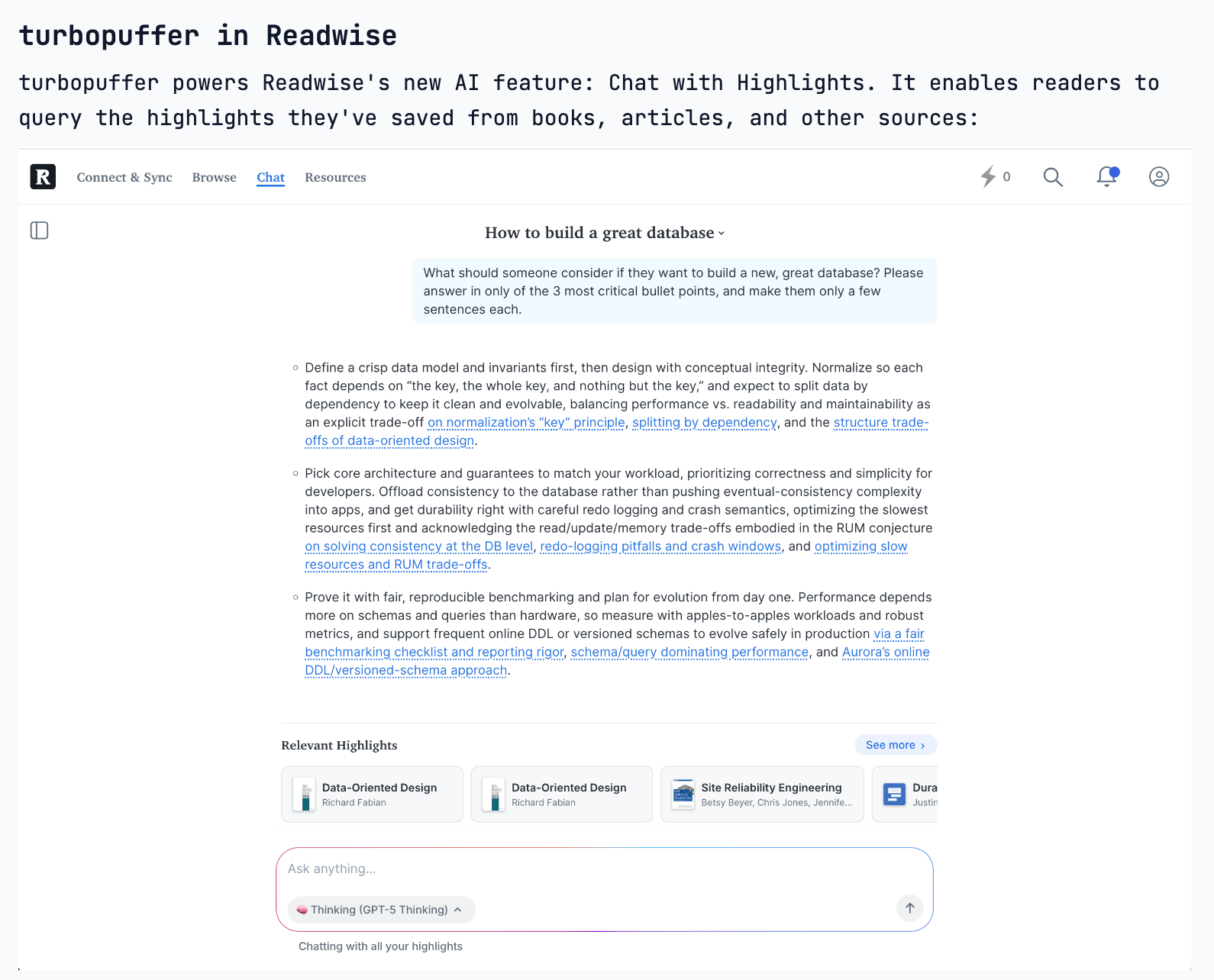
To maintain an exceptionally high talent density, Turbopuffer's hiring process defaults to rejecting a candidate. An offer is only considered if at least one interviewer is willing to passionately "fight" for them, shifting the burden of proof from "why not hire" to "why we must hire."
Related Insights
To avoid the trap of hiring 'good enough' people, make the interview panel explicitly state which current employee the candidate surpasses. This forces a concrete comparison and ensures every new hire actively raises the company's overall talent level, preventing a slow, imperceptible decline in quality.

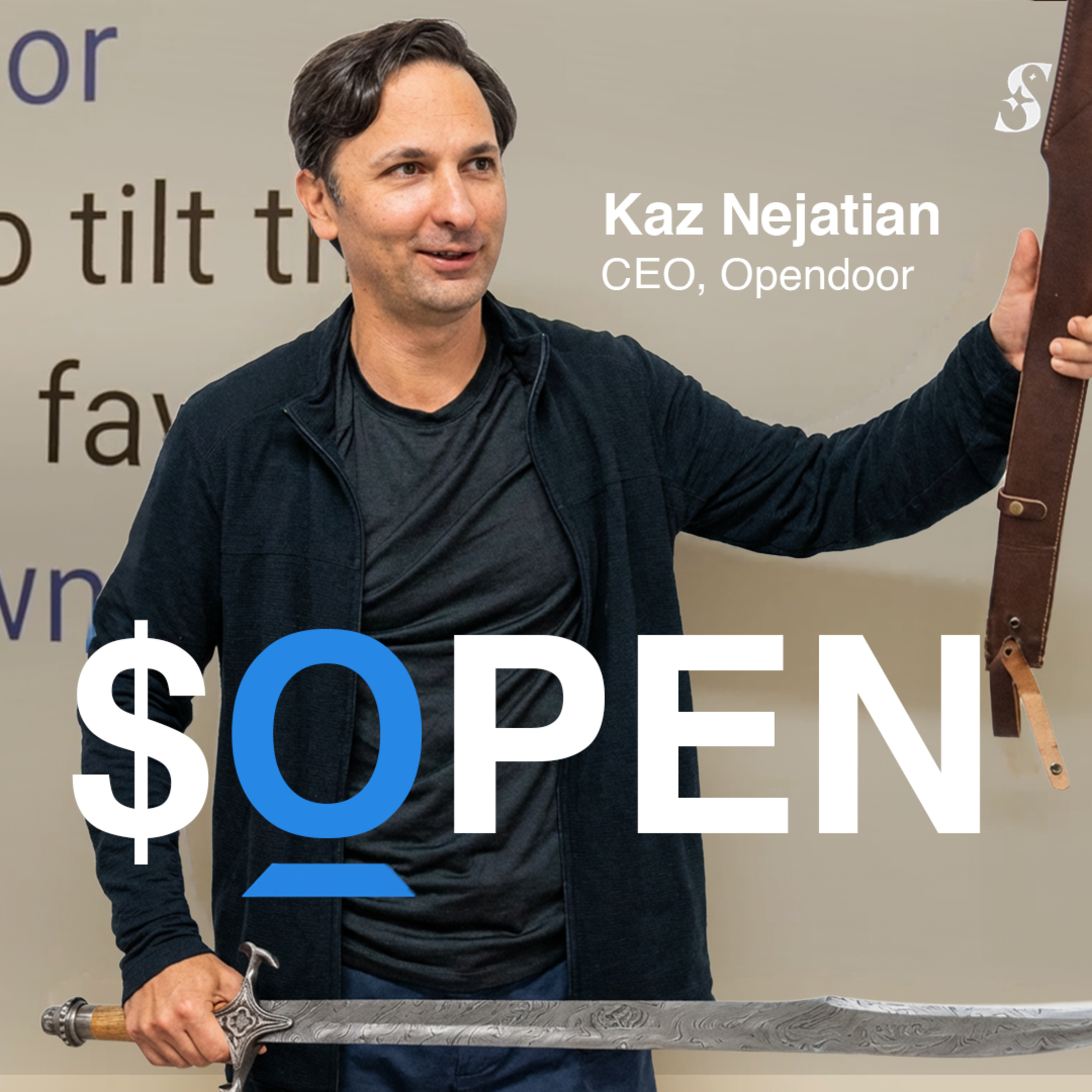
Opendoor intentionally designs its careers page to scare away the vast majority of applicants. This counterintuitive strategy creates a high-signal recruiting funnel by setting aggressive expectations upfront, ensuring only candidates truly aligned with the intense mission and culture will apply.
Treat hiring as a compounding flywheel. A new employee should not only be a great contributor but also make the company more attractive to future A-players, whether through their network, reputation, or interview presence. This focus on recruiting potential ensures talent density increases over time.
To maintain an exceptionally high talent bar while scaling, Coinbase's top two executives personally review a detailed packet for every prospective employee. They retain the right to veto any hire, demonstrating an extreme commitment to talent quality over speed.

To scale hiring efficiently, eliminate ambiguity. Each interviewer must make a definitive 'yes' or 'no' decision. If an interviewer is 'not sure' after their session, they are the problem, not the candidate. This prevents endless interview loops and forces clear, decisive judgment.

To ensure 100% team cohesion, implement a full-day working interview where candidates interact with everyone. Afterward, give every single team member a simple thumbs-up or thumbs-down vote. A single "thumbs down" is a veto, which prevents the poison of a bad cultural fit from entering the team and is easier than firing them later.

Instead of recruiting for a job spec, Cursor identifies exceptional individuals and "swarms" them with team attention. If there's mutual interest, a role is created to fit their talents. This talent-first approach, common in pro sports, prioritizes acquiring top-tier people over filling predefined needs.

Your hiring process is the first expression of your company culture. Implement a rigorous, multi-step screening process (e.g., video submissions, group interviews) to test for coachability and work ethic. This not only filters candidates but also sets a high-performance frame from day one.

The cost of a bad hire is significantly greater than the benefit of a good one. A bad hire makes your job 20-30% harder, while a great one makes it 10-20% easier. Therefore, any candidate who doesn't receive a "strong yes" from the interview panel should be rejected to avoid the high cost of a hiring mistake.

A 'no' from a high-value candidate shouldn't be the end of the conversation. The best approach to recruiting is to be persistent over a long time horizon. A rejection today may turn into a hire five years from now if you maintain the relationship.