Get your free personalized podcast brief
We scan new podcasts and send you the top 5 insights daily.
Effective boards are not just collections of supporters. Founders should strategically recruit members with specific expertise they lack—such as legal, finance, or late-stage R&D. This creates a complementary team to navigate diverse challenges, provided everyone is fundamentally aligned with the company's ultimate vision.

Related Insights
When fundraising, the most critical choice isn't the VC fund's brand but the specific partner who will join the board. Sophisticated founders vet the individual's strengths, weaknesses, and working style, as that person has a more direct impact on the company than the firm's logo on a term sheet.

An experienced biotech CEO reveals a cynical but practical truth: the baseline for a good board is one that simply isn't destructive and doesn't make the CEO's job harder. New leaders should prioritize building a board with supportive, independent members who offer more than just investment capital, as investor-heavy boards can lack a company-first perspective.

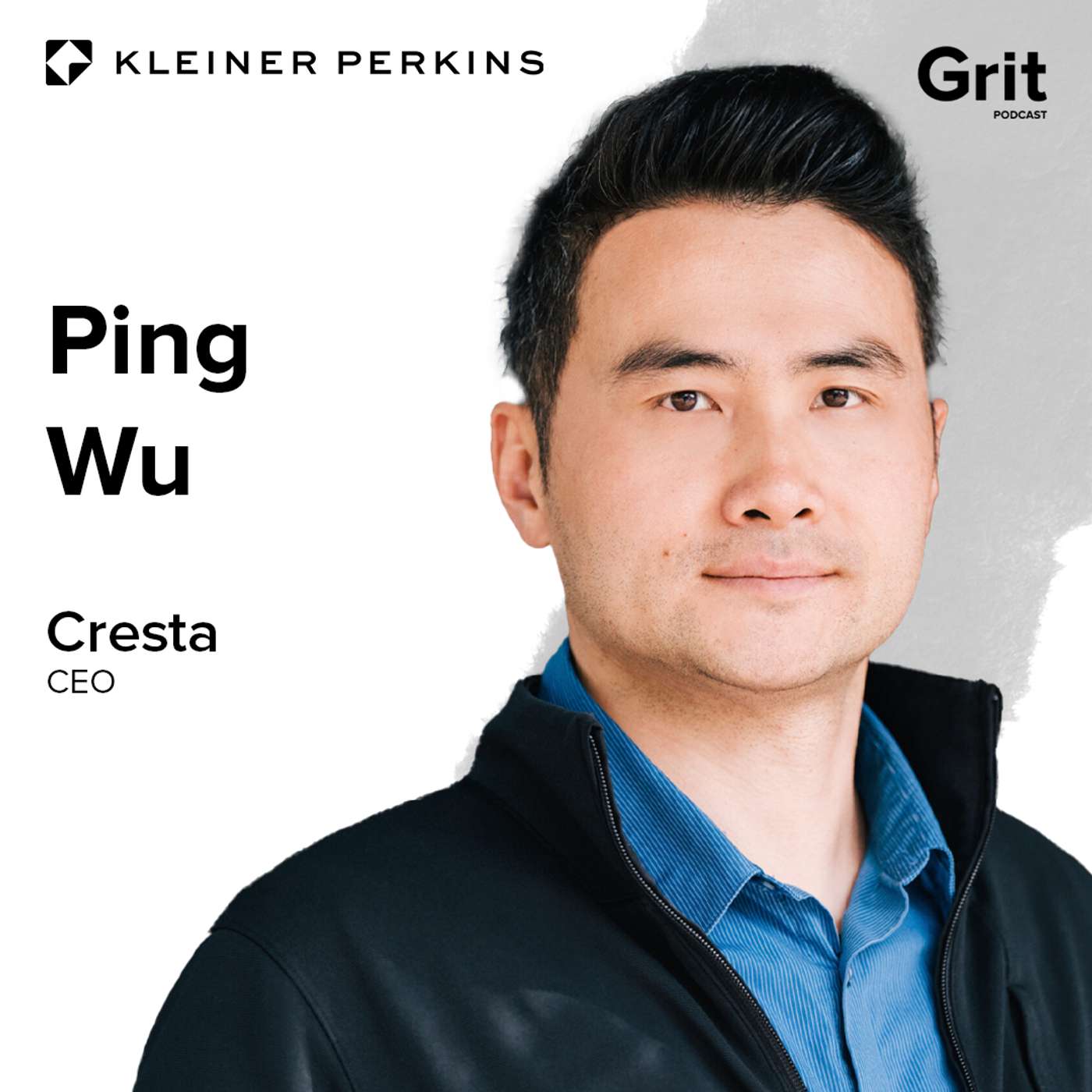
Ping Wu details how he leverages his board: he consults Doug Leone on SaaS company-building patterns, Sebastian Thrun on long-term AI trends, and former member Carl Eschenbach on go-to-market operations. This demonstrates a strategic approach to extracting maximum value from a diverse board.
A critical step for technical founders is honestly assessing their non-scientific weaknesses. Professor Waranyoo Phoolcharoen knew she couldn't be both CTO and CEO, so she deliberately sought a co-founder with strong business, finance, and marketing skills to complement her technical expertise.

An effective founding team isn't a group of well-rounded generalists. It's better to assemble specialists with deep, complementary skills and even significant weaknesses. The unifying factor isn't identical profiles, but a foundation of shared values and trust.

The old model of replacing a founder with a 'professional CEO' is often flawed because it removes irreplaceable product insight. The modern approach is for founders to design their executive team to complement their unique strengths, ensuring they stay engaged for the long journey.

Having sat on both sides of the table, Erik van den Berg defines the distinct roles. Management's job is to execute the plan, solve daily problems, and create operational options. The board's role is to challenge assumptions, provide high-level connections, and act as a strategic coach for the leadership team.

Resolution Therapeutics' CEO builds his team with leaders from varied backgrounds across different diseases and drug modalities. He believes this diversity creates more robust problem-solving, as challenges that are novel in one area may have been solved in another, enabling faster and more informed decisions.

Founders should view board members as long-term relationships akin to in-laws, since they're difficult to remove once appointed. Prioritize a high-quality, helpful board member you can work with for a decade over a slightly better valuation from a less suitable partner.

The most valuable board directors go beyond fiduciary oversight and serve as a confidential peer and sounding board for the CEO. This relationship is crucial in a role that often lacks internal peers for strategic counsel.
