Get your free personalized podcast brief
We scan new podcasts and send you the top 5 insights daily.
An effective founding team isn't a group of well-rounded generalists. It's better to assemble specialists with deep, complementary skills and even significant weaknesses. The unifying factor isn't identical profiles, but a foundation of shared values and trust.

Related Insights
Most founders hire senior talent by looking for a lack of weakness. A better approach is to first define the single most critical superpower the role requires. Then, search for a candidate who is a superstar at that one thing, even if they have deficiencies elsewhere.

Method Security's co-founders combined direct experience as a security operator (the end-user) with expertise in building security tools at the NSA (the engineer). This fusion of perspectives on the same problem created a deep, shared understanding that informed their product strategy from day one.

Who Gives A Crap's founders credit their success to a natural division of labor based on skills in product, strategy, and operations. Crucially, they have just enough shared understanding to collaborate effectively without overstepping into each other's domains.

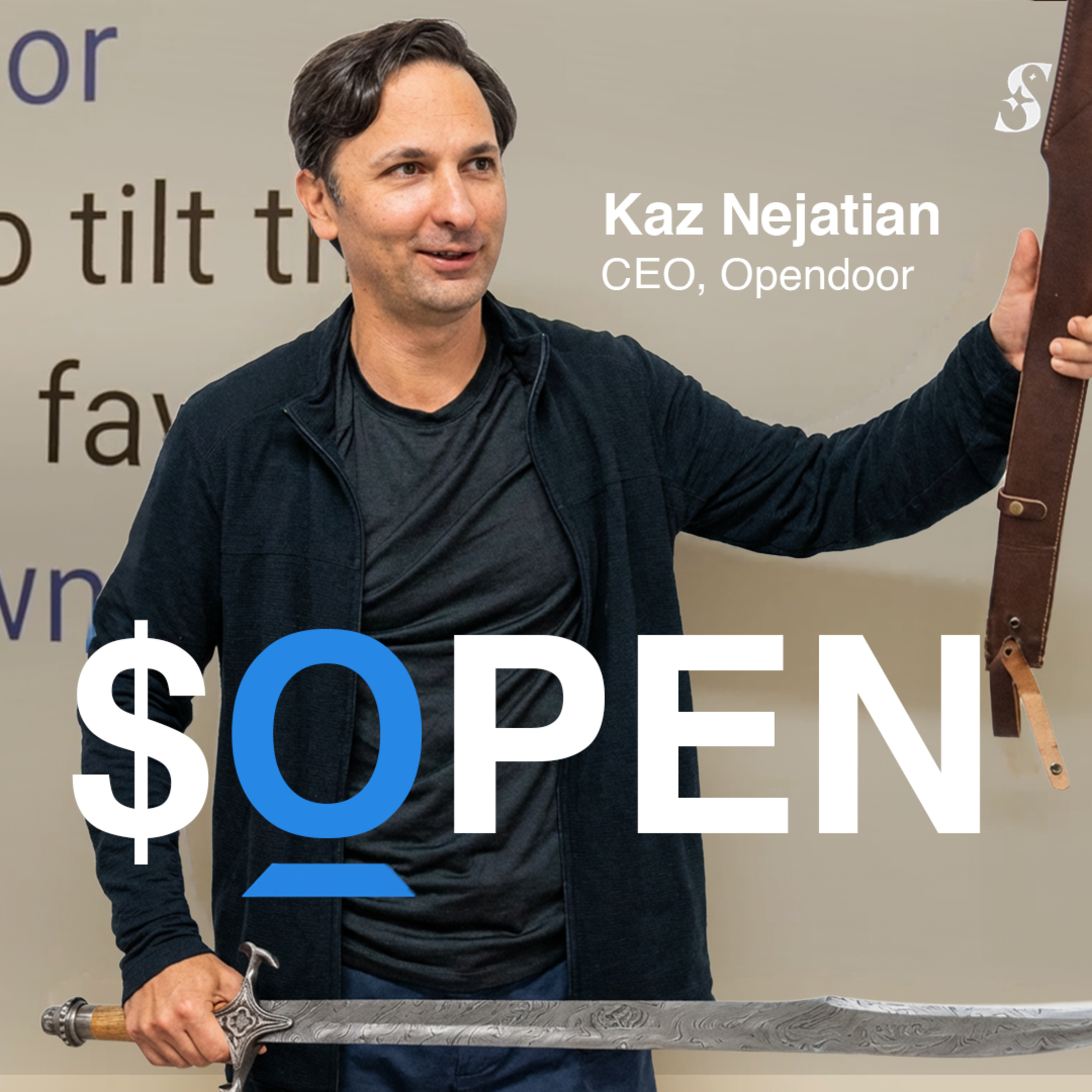
Rather than trying to become a well-rounded, traditional leader, Opendoor's CEO focuses on sharpening his unique "edges." He then surrounds himself with people who are "edgy" in complementary ways, creating a balanced team of focused experts rather than a bland group of generalists.
The most effective masterminds consist of people from different industries and business stages. This diversity prevents direct comparison and fosters richer insights. The crucial factor for curation isn't similar resumes but shared values like generosity, honesty, and a willingness to learn. Energy alignment trumps expertise alignment.

Instead of trying to change your natural working style to fit a traditional leadership model, hire people whose styles are complementary. If you're a disorganized night owl, actively recruit organized night owls. This transforms perceived weaknesses into a unique cultural strength and attracts talent who thrive in that specific environment.

Instead of hiring designers with similar profiles for easier staffing, intentionally seek out diverse skill sets that fill existing gaps. This leads to more interesting collaboration, broader capabilities, and mutual respect within the team.
Business leaders often hire people similar to themselves, creating a team that thinks and operates monolithically. The speaker learned to intentionally seek out people with different skills and personalities, recognizing that a business needs complementary, not identical, team members to thrive.

Beyond complementary skills, a strong co-founder dynamic is built on five core principles. Founders must have deep trust, maintain constant communication, provide candid feedback, and commit to evolving personally and professionally as the company scales.
Gymshark's CCO explains her successful partnership with founder Ben Francis. They share core values, ensuring they move in the same direction, but their completely different "superpowers" create a healthy tension that leads to better-rounded decisions and prevents groupthink.