Get your free personalized podcast brief
We scan new podcasts and send you the top 5 insights daily.
No longer a fringe academic theory, Poland is emerging as a top candidate for nuclearization. Its engineering capacity, wealth, and position next to an aggressive Russia and unreliable allies are driving serious consideration for its own nuclear deterrent, a topic now openly discussed by senior European military figures.

Related Insights
Today's nuclear energy boom is propelled by strong commercial demand from AI data centers and defense, not government R&D. This market-driven "demand pull" for energy is finally creating the business case for advanced and small modular reactors.

The unified fear of Russia is compelling Europe to pivot its economic focus towards industrial and defense manufacturing. This is a significant strategic shift for a region recently more focused on regulation and legacy industries, potentially revitalizing its industrial base.
European nations, feeling safe and prosperous after the Cold War, pursued aggressive green policies described as "economic suicide." Dismantling nuclear power and raising industrial electricity prices has destroyed manufacturing, created energy dependencies on rivals like Russia, and weakened their geopolitical standing.

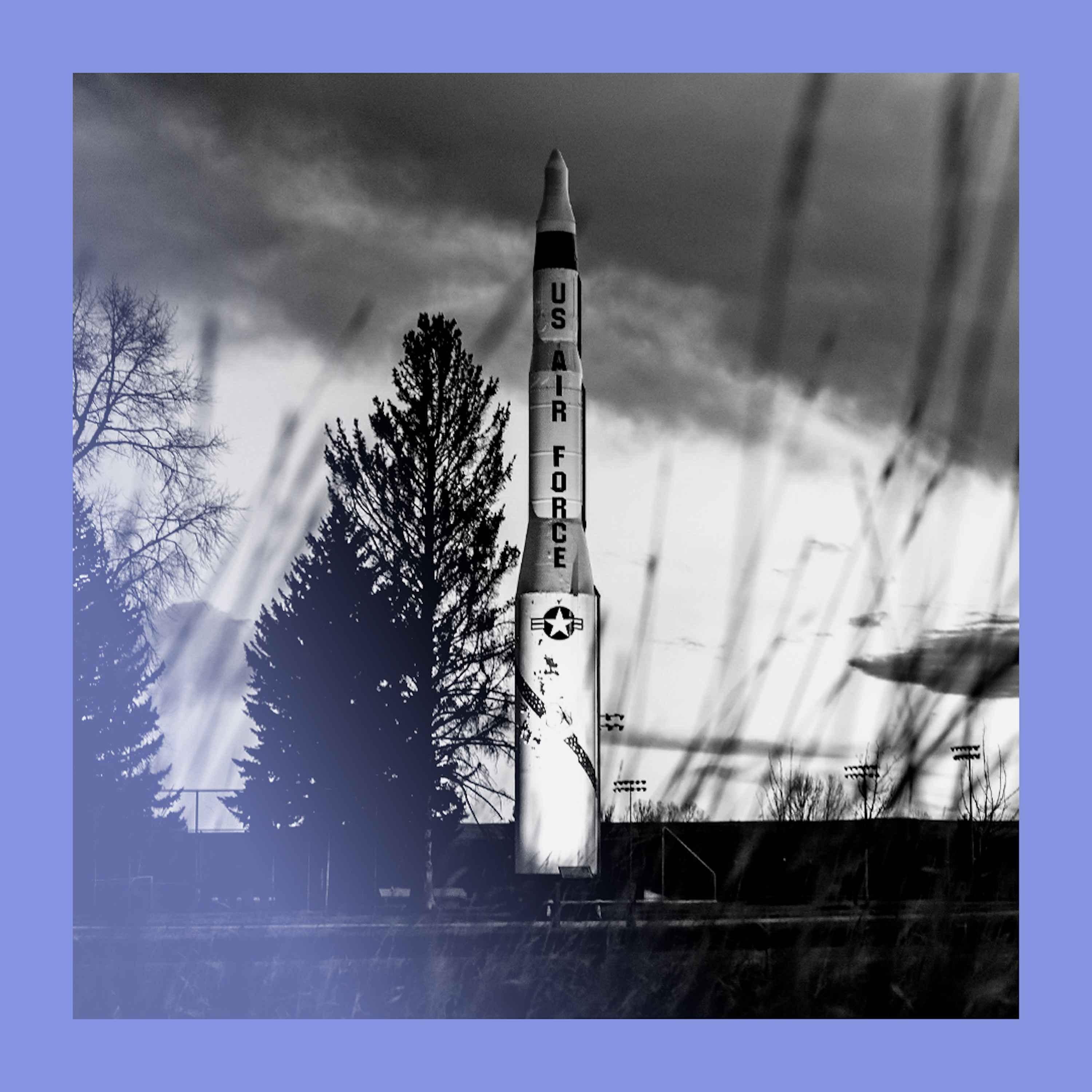
With the New START treaty gone and doubts about America's commitment to "extended deterrence," especially under Donald Trump, allies in Europe and Asia are debating acquiring their own nuclear weapons. This could lead to a dangerous proliferation free-for-all, increasing the risk of preemptive strikes.
The 40-year plateau in nuclear power wasn't driven by public fear after incidents like Chernobyl, but by the soaring costs of building massive, one-off reactors. The modern push for Small Modular Reactors (SMRs) aims to solve this fundamental economic problem through factory-based production.

With the U.S. stepping back from its traditional leadership role, European countries are creating new, direct alliances to ensure their own security. A notable example is the emerging UK-Scandinavia-Baltic-Poland axis, which signals a fundamental shift in the continent's geopolitical architecture away from a singular reliance on Washington.

The massive energy requirements for AI data centers are causing electricity prices to rise, creating public resentment. To counter this, governments are increasingly investing in nuclear power as a clean, stable energy source, viewing it as critical infrastructure to win the global AI race without alienating consumers.

Perception of nuclear power is sharply divided by age. Those who remember the Three Mile Island accident are fearful, while younger generations, facing the climate crisis, see it as a clean solution. As this younger cohort gains power, a return to nuclear energy becomes increasingly likely.

The current geopolitical landscape shows that nations with nuclear weapons can act with impunity, while non-nuclear nations are vulnerable. The West's hesitant support for Ukraine reinforces this lesson, creating a rational incentive for smaller countries to pursue their own nuclear deterrents, risking dangerous proliferation.
European rhetoric about 'strategic autonomy' is ultimately hollow. For decades, Europe's security has been guaranteed by the U.S. nuclear umbrella, a public good it cannot afford or politically agree to replicate. This fundamental dependency ensures Europe cannot truly break from U.S. foreign policy, regardless of leadership style.
