Get your free personalized podcast brief
We scan new podcasts and send you the top 5 insights daily.
Getting into Costco provides huge volume but creates operational nightmares. Bobo's bought dedicated equipment to handle the massive orders, but Costco's strategy of rotating products in and out "wrecks havoc" on manufacturing forecasts and creates high-stakes dependency.

Related Insights
Getting into retailers like Target or Walmart feels like validation, but it can bankrupt startups. The high costs, stocking fees, and immense pressure for sell-through often drain resources and lead to failure.
To land a large retail contract (e.g., Whole Foods), a brand must prove it can produce at scale. However, investing in scaling operations is a massive financial risk without a guaranteed contract, creating a critical strategic impasse for growing brands.

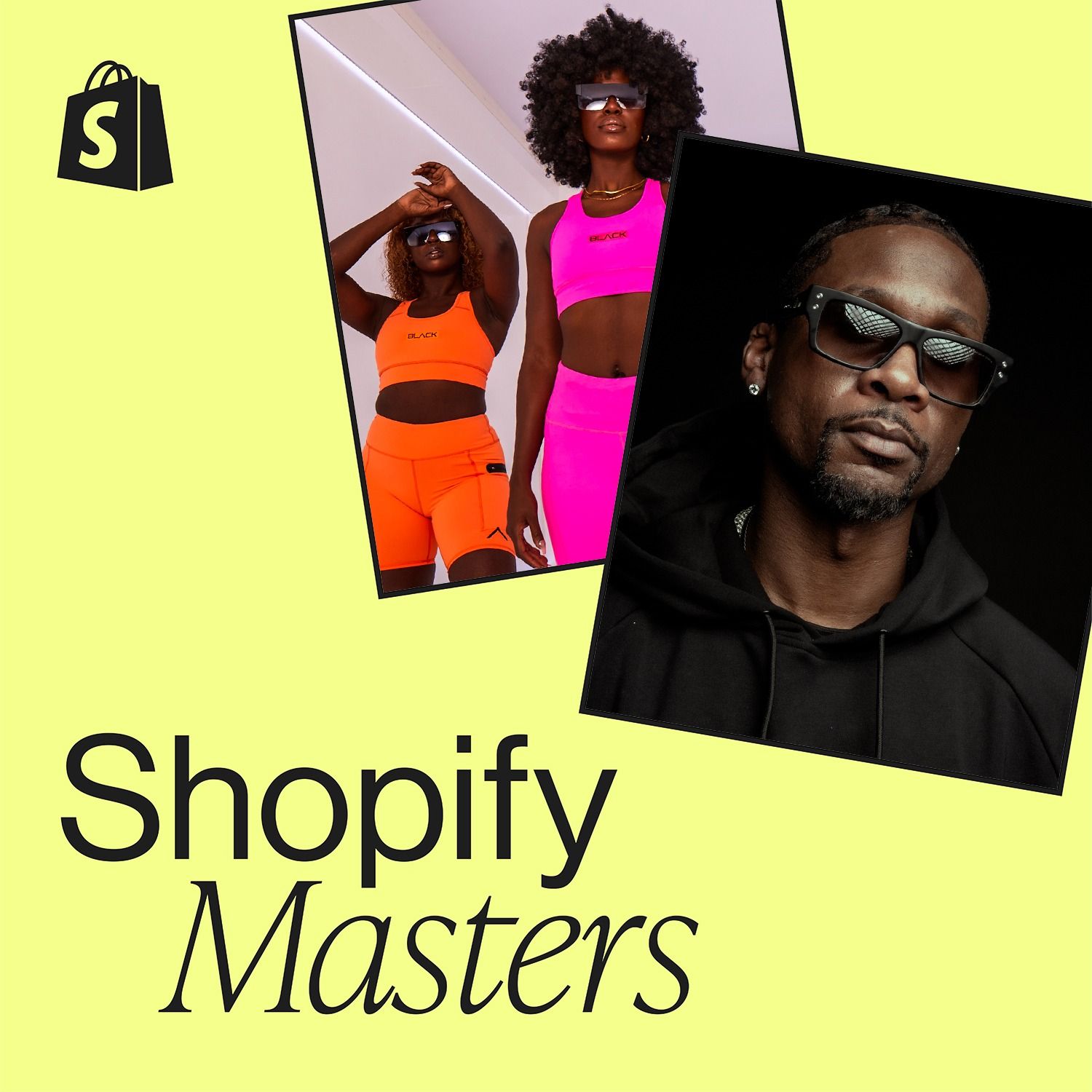
While generating massive demand is a goal, it creates significant operational challenges. Actively Black's initial success outstripped its supply chain, leaving revenue on the table and highlighting that fast growth can be as dangerous as no growth if operations cannot keep pace.
Securing a deal with a giant like Walmart can be a trap. If the product doesn't sell through immediately, the brand is forced into massive, unplanned promotional spending to stay on shelves. This depletes cash and starts a downward spiral that many CPG startups don't survive.

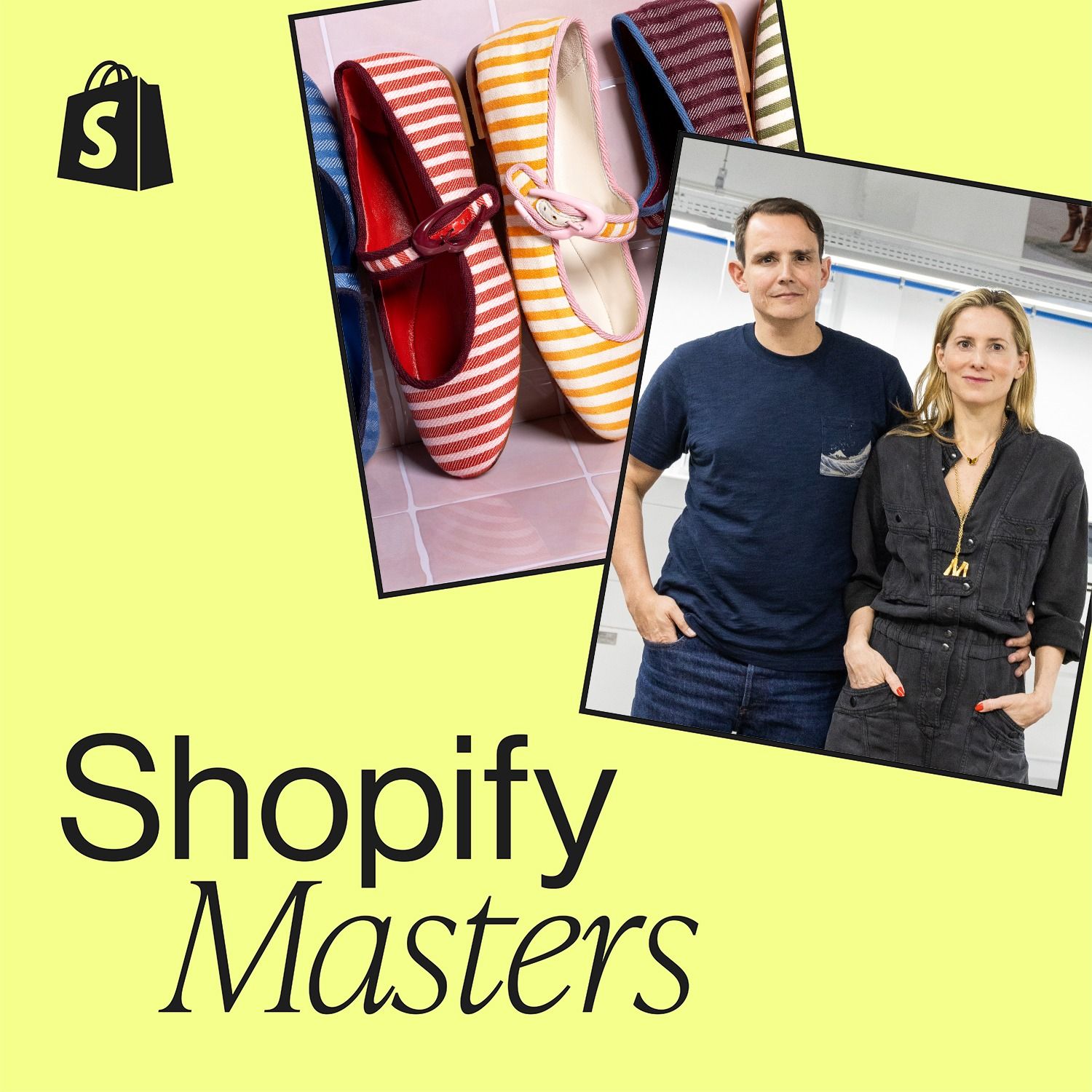
For D2C fashion brands, the inability of third-party suppliers to quickly fulfill reorders on trending products is a key trigger for vertical integration. Larroudé's co-founder realized the cost of one large factory order was equivalent to buying the machinery himself, enabling them to meet demand in weeks, not months.
Lacking industry knowledge, founder Beryl Stafford initially purchased all her ingredients at full retail from Whole Foods. While inefficient, this naive action allowed her to start immediately and gain momentum, rather than getting paralyzed by optimizing sourcing.
Emerging brands often view landing a major retailer as the ultimate goal. In reality, it's the start of a more complex phase involving distribution logistics, trade requirements, and performance pressure. Success depends on staying on the shelf, not just getting there.
Costco's success stems from its radically limited selection (~4,000 SKUs). This deliberate constraint creates a powerful flywheel: it makes them a critical partner for every vendor, enables deep product expertise for buyers, and drives rapid inventory turnover, resulting in a negative cash conversion cycle.
Costco's business model is unique: it aims to break even on merchandise sales. This allows it to offer the lowest possible prices, building immense customer loyalty. The company's entire operating profit is derived from its annual membership fees, which represent only 2% of total revenue.

A-Frame's CEO warns that retailers can 'love you to death.' Accepting a full-chain launch is tempting, but the marketing and inventory costs can be overwhelming for a young brand. He advises founders to negotiate a smaller, focused launch to prove the concept before expanding.
