Get your free personalized podcast brief
We scan new podcasts and send you the top 5 insights daily.
The narrative that successful tech platforms are simply "rent extractors" overlooks their fundamental value creation. DoorDash, for example, created a new market for at-home restaurant dining, massively increasing the addressable market for restaurants and creating new jobs for drivers, rather than just inserting itself into an existing transaction.

Related Insights
Travis Kalanick intentionally cut prices to trigger a growth flywheel: lower fares led to more riders, which attracted more drivers, enabling even lower prices. This strategy didn't just steal share from taxis; it fundamentally expanded the total addressable market for personal transportation.

"Blocked" customers aren't using a bad alternative; they're doing nothing because no viable solution exists. You can't observe their struggle. Unlocking this latent demand, as Uber did for people who previously wouldn't travel, doesn't just steal market share—it creates a new market entirely.

In the competitive food delivery market, service fees frustrate both customers and restaurants. By eliminating this key fee, similar to Robinhood's disruption of trading commissions, DoorDash could become the preferred platform. Shifting to a subscription model like Costco would foster immense goodwill and lock in loyalty.

Not all tech disruption is a zero-sum replacement. Uber directly substituted the taxi industry's core function. In contrast, Airbnb is largely additive, serving different use cases (longer stays, group travel) and expanding the overall travel accommodation market rather than simply stealing share from hotels.

The market often misjudges companies like DoorDash by focusing on the high-level service (food delivery) while missing the massive, compounding value created by its obsessive focus on fine-grained logistical details. These small, chained-together improvements create a powerful, hard-to-replicate moat over time.

The narrative of startups "destroying" incumbents is often wrong. As shown by MongoDB coexisting with Oracle and HubSpot with Salesforce, disruptive companies can create massive value by expanding the total market, allowing both new and old players to grow simultaneously.

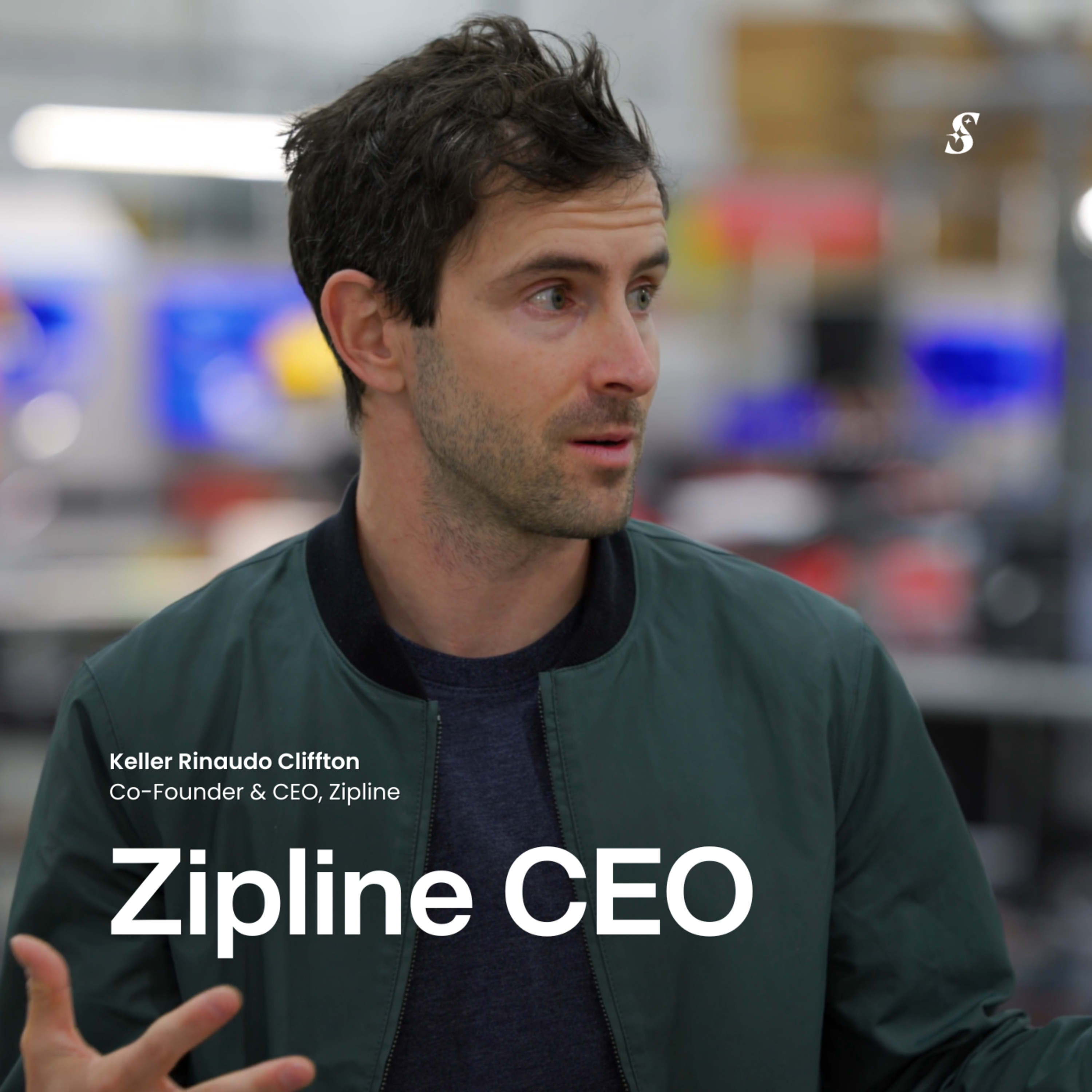
Zipline found that making delivery 10x faster and more convenient didn't just win customers from existing apps. It fundamentally changed user behavior, increasing order frequency so dramatically that they project the total addressable market is actually 10 times larger than currently estimated.
Investors err when they size a new market based on its predecessor (e.g., Uber vs. taxis). A fundamental supply-side change creates new capabilities that unlock massive, previously invisible demand, making initial market size calculations dangerously conservative.

New technology like AI doesn't automatically displace incumbents. Established players like DoorDash and Google successfully defend their turf by leveraging deep-rooted network effects (e.g., restaurant relationships, user habits). They can adopt or build competing tech, while challengers struggle to replicate the established ecosystem.

Contrary to the belief that AVs will simply replace human drivers, Uber is seeing markets with autonomous vehicles grow faster overall. The novelty of the product attracts a new customer segment, expanding the total addressable market rather than just substituting existing rides.