Get your free personalized podcast brief
We scan new podcasts and send you the top 5 insights daily.
Unlike software’s iterative nature, hardware decisions are "one-way doors." Choosing a component is a multi-million dollar commitment. The risk is amplified because giants like Apple can absorb the entire global supply of a single part, forcing smaller companies into costly redesigns overnight.

Related Insights
Hardware development is often stalled by supplier lead times. To combat this, proactively map out multiple, redundant manufacturing options for every component. By maintaining a constantly updated "lookup table" of suppliers, processes, and their current lead times, teams can parallelize workflows and minimize downtime.

Successful "American Dynamism" companies de-risk hardware development by initially using off-the-shelf commodity components. Their unique value comes from pairing this accessible hardware with sophisticated, proprietary software for AI, computer vision, and autonomy. This approach lowers capital intensity and accelerates time-to-market compared to traditional hardware manufacturing.

To prevent its suppliers from going bankrupt if contracts were cut, Apple mandated that no supplier could be more than 50% dependent on its business. This forced highly-trained manufacturers to find other customers, directly enabling the rise of sophisticated Chinese smartphone brands like Huawei and Xiaomi.

When a tech giant like Apple places a massive order for a basic component, it can absorb the entire global supply. To mitigate this risk, hardware startups must design products with multiple substitute parts from different suppliers, adding significant engineering overhead.

New AI models are designed to perform well on available, dominant hardware like NVIDIA's GPUs. This creates a self-reinforcing cycle where the incumbent hardware dictates which model architectures succeed, making it difficult for superior but incompatible chip designs to gain traction.

For companies like NVIDIA or Google, moving from TSMC to Intel or Samsung is not a simple supplier switch. It necessitates a complete redesign of the chip's architecture to fit the new foundry's technology. This complex and costly process can take one to two years, making it a last resort.

Software companies struggle to build their own chips because their agile, sprint-based culture clashes with hardware development's demands. Chip design requires a "measure twice, cut once" mentality, as mistakes cost months and millions. This cultural mismatch is a primary reason for failure, even with immense resources.

Unlike software, hardware iteration is slow and costly. A better approach is to resist building immediately and instead spend the majority of time on deep problem discovery. This allows you to "one-shot" a much better first version, minimizing wasted cycles on flawed prototypes.
Bryn Putnam de-risks her complex hardware businesses by using commodity components ("withered technology"). The core innovation and defensible IP are built in the software layer, avoiding the massive capital expense and manufacturing risk of creating novel hardware from scratch.

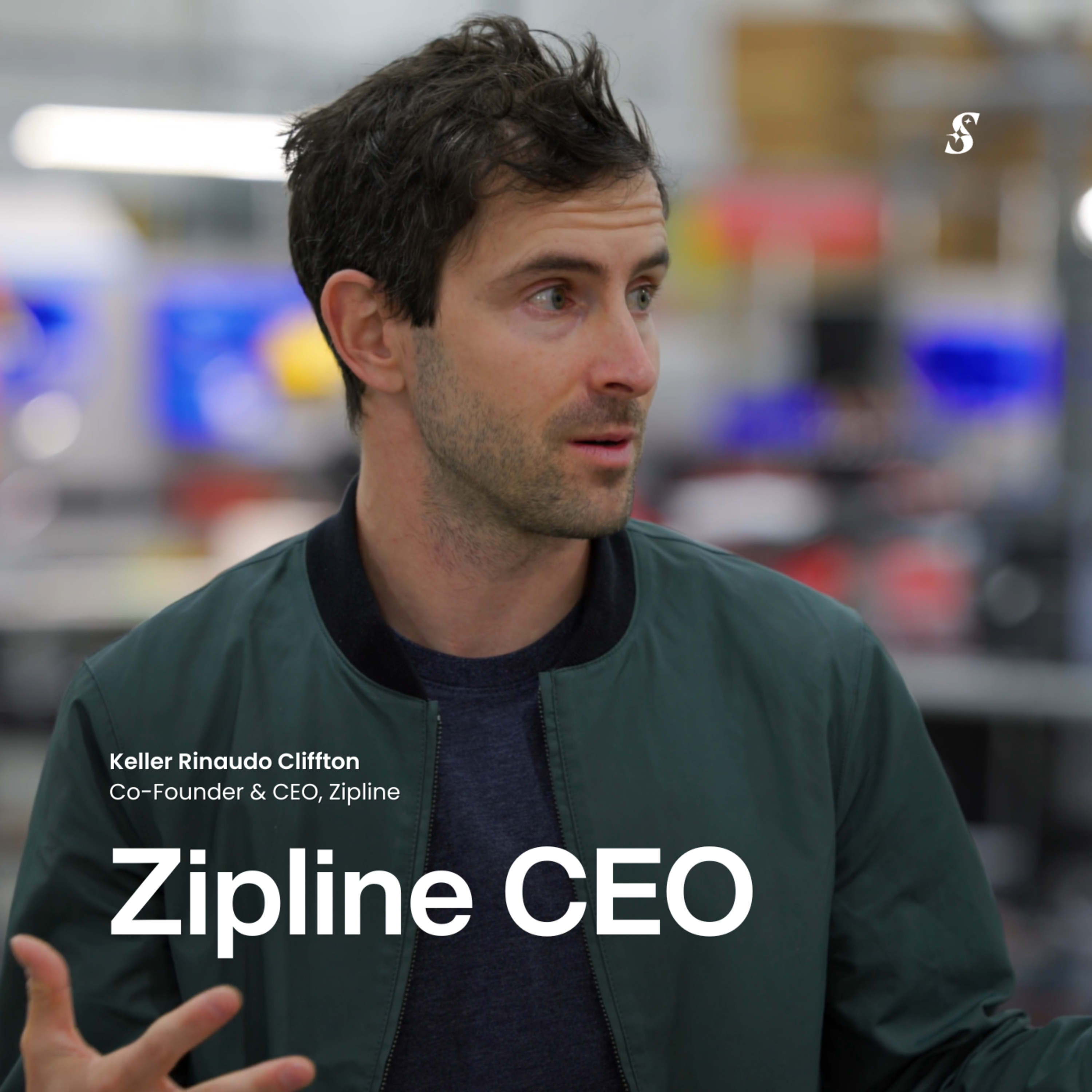
Zipline had to build its own components because the market only offered two extremes: cheap, unreliable consumer drone parts or prohibitively expensive military-grade systems. This "automotive grade" gap for reliable, cost-effective components forced them to vertically integrate to achieve their performance and cost goals.