Get your free personalized podcast brief
We scan new podcasts and send you the top 5 insights daily.
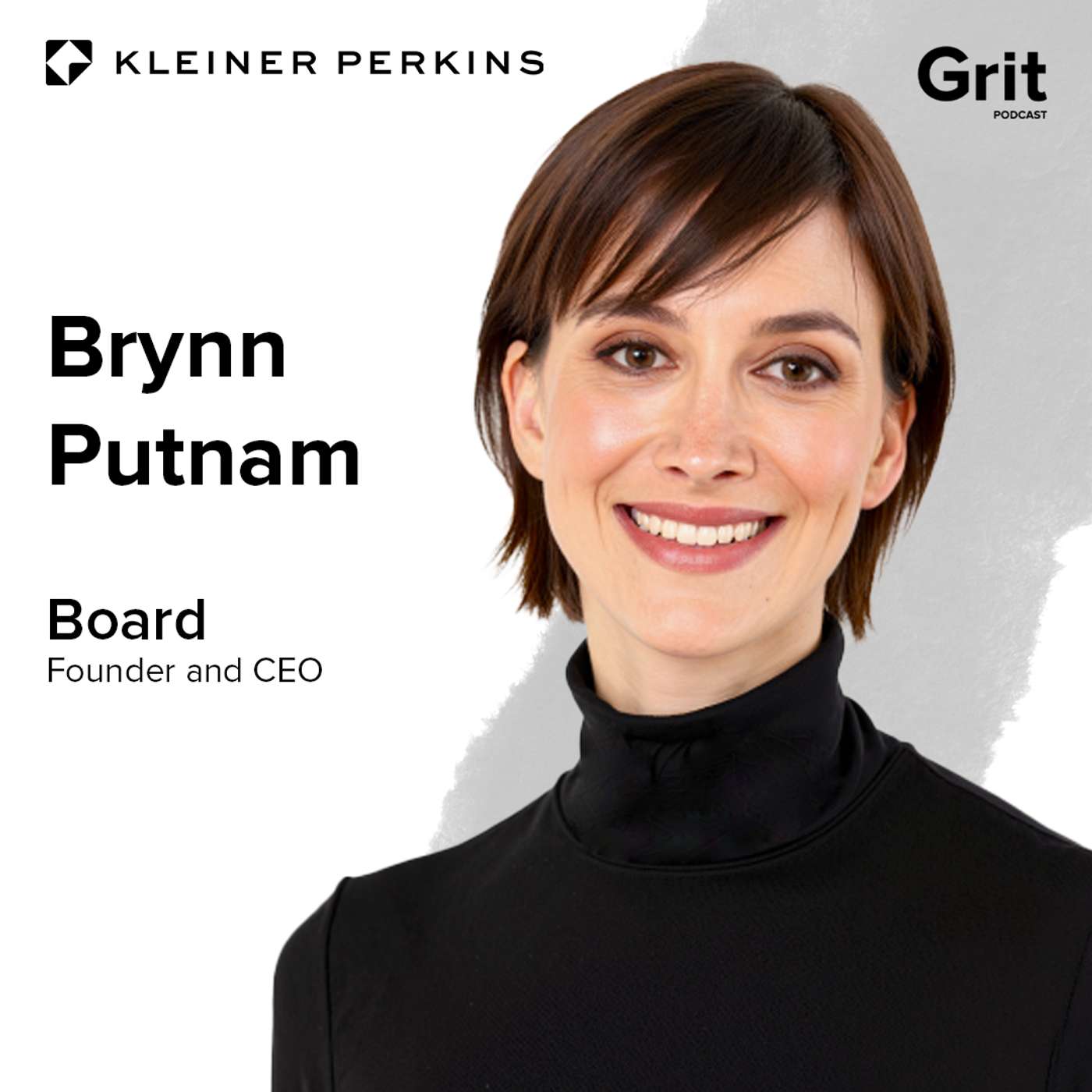
Bryn Putnam de-risks her complex hardware businesses by using commodity components ("withered technology"). The core innovation and defensible IP are built in the software layer, avoiding the massive capital expense and manufacturing risk of creating novel hardware from scratch.
Related Insights
Before raising venture capital for Mirror, founder Bryn Putnam bootstrapped the initial year of R&D using profits from her four successful fitness studios. This provided non-dilutive capital and a safety net, allowing her to explore the high-risk hardware concept without immediate investor pressure.
Successful "American Dynamism" companies de-risk hardware development by initially using off-the-shelf commodity components. Their unique value comes from pairing this accessible hardware with sophisticated, proprietary software for AI, computer vision, and autonomy. This approach lowers capital intensity and accelerates time-to-market compared to traditional hardware manufacturing.

The founders initially feared their data collection hardware would be easily copied. However, they discovered the true challenge and defensible moat lay in scaling the full-stack system—integrating hardware iterations, data pipelines, and training loops. The unexpected difficulty of this process created a powerful competitive advantage.

Contrary to popular belief, successful entrepreneurs are not reckless risk-takers. They are experts at systematically eliminating risk. They validate demand before building, structure deals to minimize capital outlay (e.g., leasing planes), and enter markets with weak competition. Their goal is to win with the least possible exposure.

Contrary to the belief that hardware is inherently capital-intensive, Monumental's founder argues their biggest expense is salaries for high-quality talent, much like a software startup. The cost of the robots is manageable and their payback time is good, challenging typical VC perceptions of the business model.

Startups often fail by making a slightly better version of an incumbent's product. This is a losing strategy because the incumbent can easily adapt. The key is to build something so fundamentally different in structure that competitors have a very hard time copying it, ensuring a durable advantage.
![Palmer Luckey - Inventing the Future of Defense - [Invest Like the Best, CLASSICS] thumbnail](https://megaphone.imgix.net/podcasts/f7c9aa8e-cb8d-11f0-828e-0b281809c10a/image/cc07f91ec47f95abbde771a4956b37b7.jpg?ixlib=rails-4.3.1&max-w=3000&max-h=3000&fit=crop&auto=format,compress)
Mirror founder Bryn Putnam claims her non-technical background was an asset in hardware. It enforced strict discipline to a core customer vision, preventing the common trap of feature creep and over-engineering that technical founders can fall into because they *can* build more.
Unlike SaaS startups focused on finding product-market fit (market risk), deep tech ventures tackle immense technical challenges. If they succeed, they enter massive, pre-existing trillion-dollar markets like energy or shipping where demand is virtually guaranteed, eliminating market risk entirely.

Validate market demand by securing payment from customers before investing significant resources in building anything. This applies to software, hardware, and services, completely eliminating the risk of creating something nobody wants to buy.

Drawing from Verkada's decision to build its own hardware, the strategy is to intentionally tackle difficult, foundational challenges early on. While this requires more upfront investment and delays initial traction, it creates an immense competitive barrier that latecomers will struggle to overcome.