Get your free personalized podcast brief
We scan new podcasts and send you the top 5 insights daily.
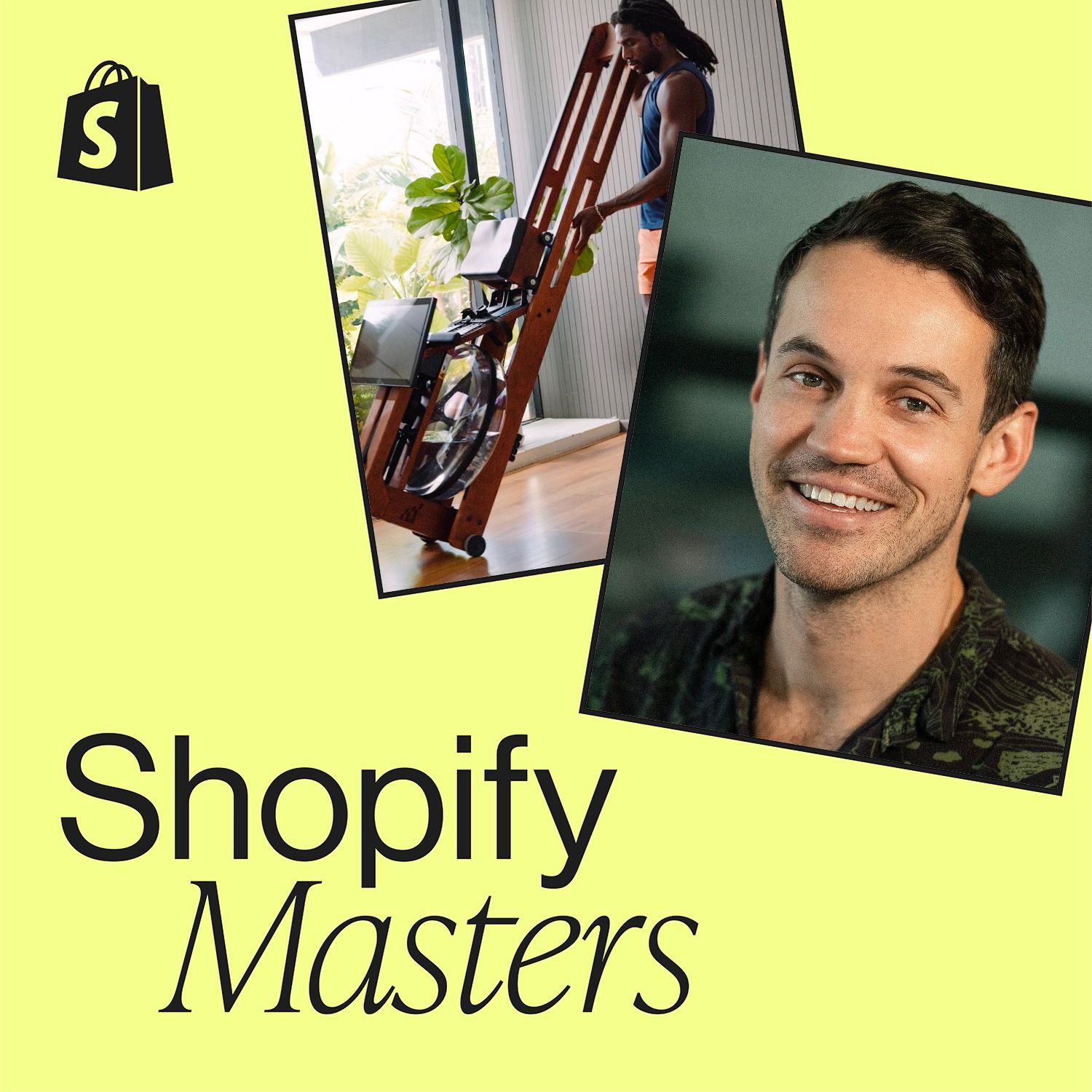
To launch their high-ticket rower, Ergatta's founders focused on their core strengths: software and marketing. They consciously decided hardware manufacturing was "off-piste" from their strategy. Instead of hiring a co-founder for this, they used expert advisors, allowing them to stay capital-efficient and focused on creating value through content.
Related Insights
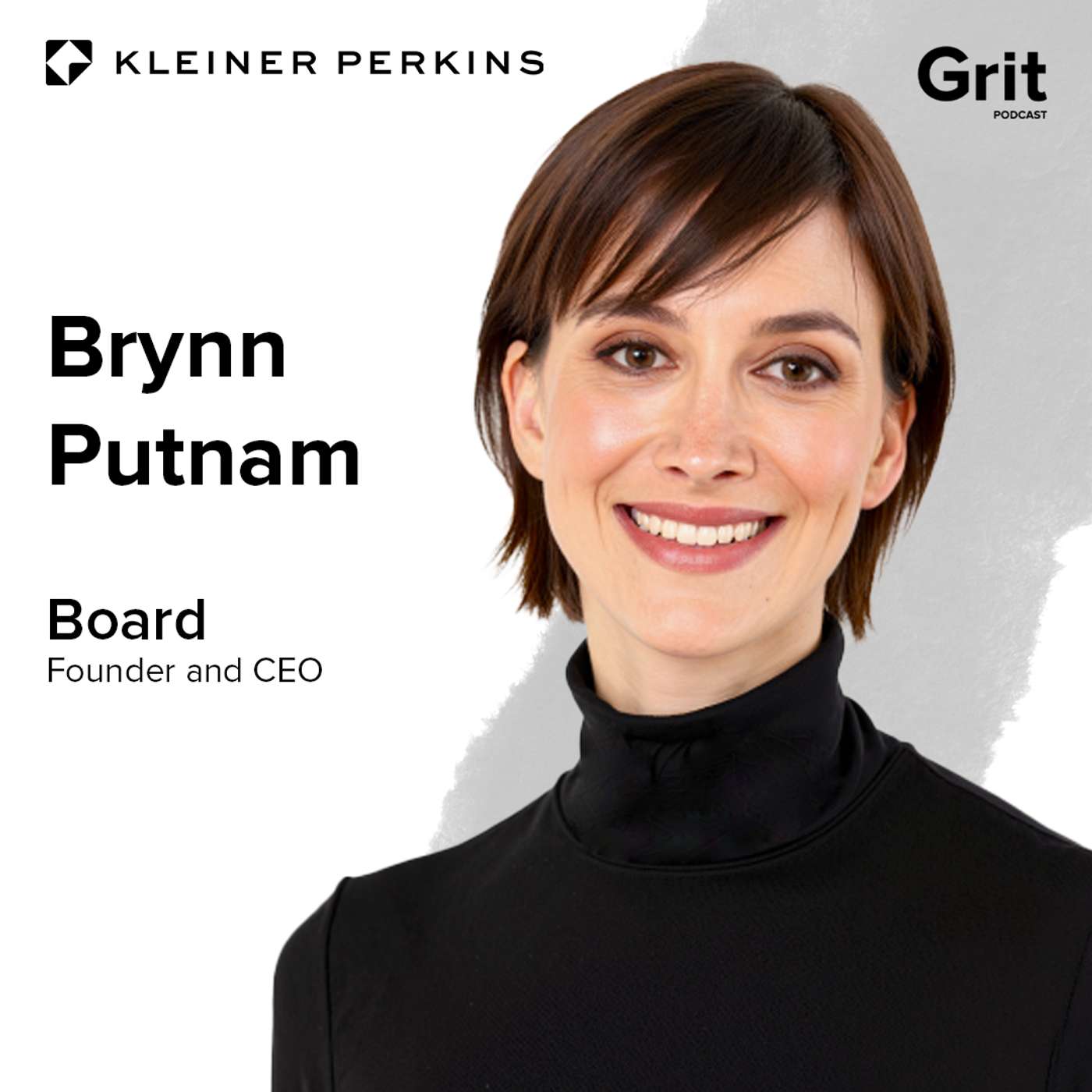
Before raising venture capital for Mirror, founder Bryn Putnam bootstrapped the initial year of R&D using profits from her four successful fitness studios. This provided non-dilutive capital and a safety net, allowing her to explore the high-risk hardware concept without immediate investor pressure.
Successful "American Dynamism" companies de-risk hardware development by initially using off-the-shelf commodity components. Their unique value comes from pairing this accessible hardware with sophisticated, proprietary software for AI, computer vision, and autonomy. This approach lowers capital intensity and accelerates time-to-market compared to traditional hardware manufacturing.

Don't wait for a prototype to get traction. Hardware founders should first engage potential customers and demonstrate a profound understanding of their specific problems. This expertise builds the necessary trust for customers to commit, even before a physical product is ready.

Ergatta's "North Star" was never to be a hardware company, but the leading provider of gaming content for all cardio equipment. They built their own rower first to prove the model in a whitespace market. This success enabled their true, more scalable strategy: licensing that proven content to giants like iFit.
Contrary to popular belief, successful entrepreneurs are not reckless risk-takers. They are experts at systematically eliminating risk. They validate demand before building, structure deals to minimize capital outlay (e.g., leasing planes), and enter markets with weak competition. Their goal is to win with the least possible exposure.

After pivoting from hardware to software, SkillVari found value in reintroducing proprietary hardware (like a $2,500 welding gun) as optional accessories. This hybrid model leverages commodity headsets while capturing additional revenue and creating a more immersive, defensible user experience.

Unlike software, hardware iteration is slow and costly. A better approach is to resist building immediately and instead spend the majority of time on deep problem discovery. This allows you to "one-shot" a much better first version, minimizing wasted cycles on flawed prototypes.
Unlike most biotechs that start with researchers, CRISPR prioritized hiring manufacturing and process development experts early. This 'backwards' approach was crucial for solving the challenge of scaling cell editing from lab to GMP, which they identified as a primary risk.

Bryn Putnam de-risks her complex hardware businesses by using commodity components ("withered technology"). The core innovation and defensible IP are built in the software layer, avoiding the massive capital expense and manufacturing risk of creating novel hardware from scratch.
Reflecting on raising $35M, Ergatta's founder suggests taking less capital might have been wiser. While tempting to raise as much as possible, large funding rounds lock the company into a specific financial trajectory and set of expectations. Raising less money can preserve crucial optionality and flexibility for the business's future.