Get your free personalized podcast brief
We scan new podcasts and send you the top 5 insights daily.
While Peloton uses gamification (streaks, leaderboards), Ergatta built actual games with avatars and opponents. This strategy targeted an underserved psychographic of introverted, competitive users who research showed were not motivated by class-based fitness. The deeper engagement of true gaming created a strong product-market fit.

Related Insights
Large companies often focus R&D on high-ticket items, neglecting smaller accessory categories. This creates a market gap for focused startups to innovate and solve specific problems that bigger players overlook, allowing them to build a defensible niche.

Ergatta's "North Star" was never to be a hardware company, but the leading provider of gaming content for all cardio equipment. They built their own rower first to prove the model in a whitespace market. This success enabled their true, more scalable strategy: licensing that proven content to giants like iFit.
Founders must consider their sales motion (e.g., PLG vs. enterprise sales-led) when designing the product. A product built for one motion won't sell effectively in another, potentially forcing a costly redesign. This concept extends "product-market fit" to "product-market-sales fit."

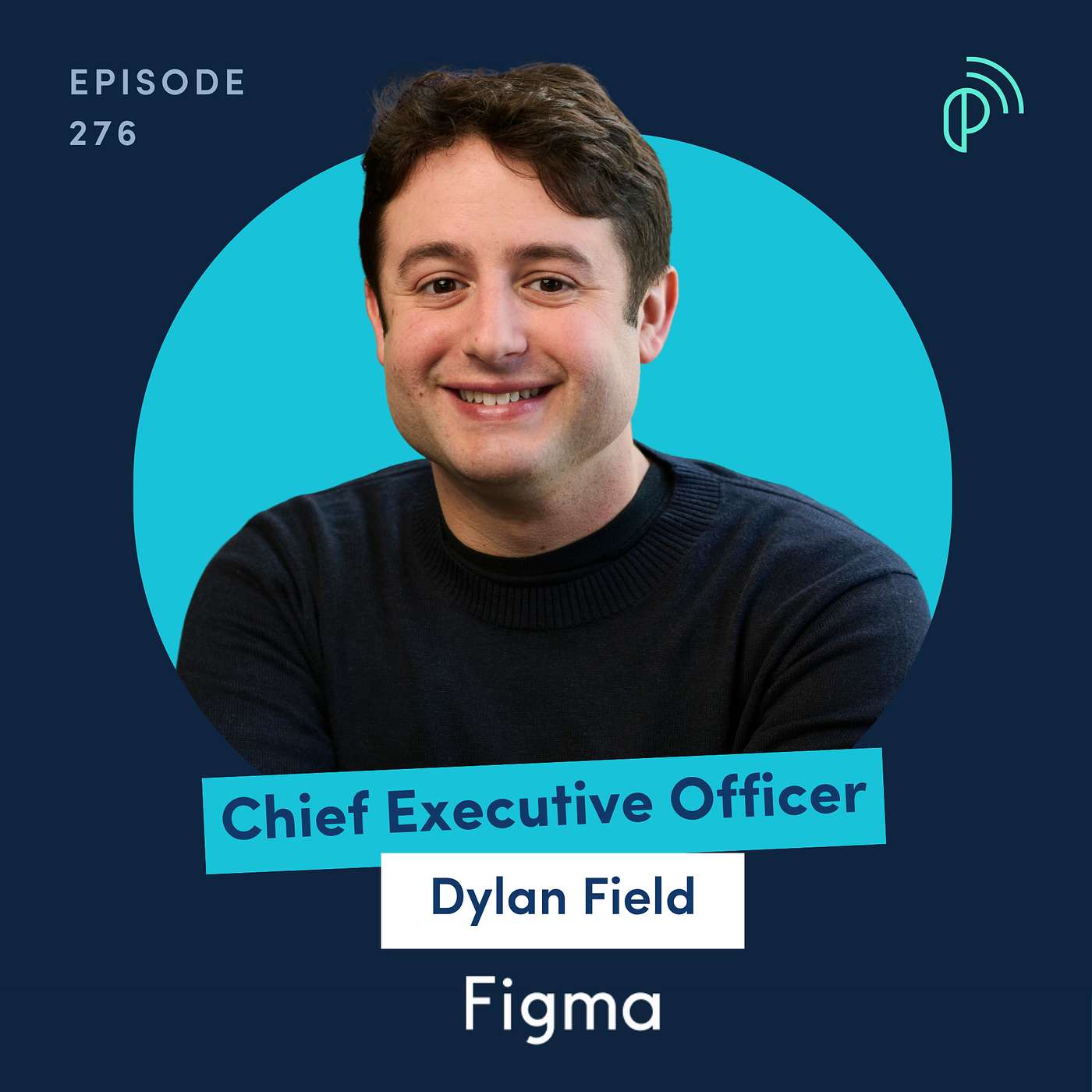
A month before launch, Figma's whiteboarding tool, FigJam, felt undifferentiated. In a high-stakes meeting with the team and board, they pivoted strategy to focus entirely on making it 'fun.' This led to features like cursor high-fives that gave the product its soul and market distinction.
The most effective user segmentation is based on underlying motivations. Identifying both functional ("inspire me with new music") and emotional ("help me feel less lonely") drivers is the crucial first step to engineering meaningful product delight that resonates deeply with users.

Early user research showed designers did not want a collaborative, multiplayer tool. However, Figma's web-based architecture made a single-player experience technically terrible (e.g., tabs constantly reloading). They were forced by the technology to build multiplayer functionality, which ultimately became their key differentiator, proving the platform's needs can override initial user requests.

Instead of relying solely on demographic or behavioral data, use motivational segmentation to understand *why* users choose your product. Grouping users by their core emotional drivers (e.g., to feel productive, to feel connected) uncovers deeper needs and informs emotionally resonant features.

Don't fight battles you can't win. For a product like Evernote, competing with free, pre-installed apps like Apple Notes for casual users is a losing proposition. The winning strategy is to focus on the advanced user segment whose complex needs justify paying for a more powerful tool.

Well-funded startups are pressured by investors to target large markets. This strategic constraint allows bootstrapped founders to outmaneuver them by focusing on and dominating a specific niche that is too small for the venture-backed competitor to justify.

For specialized products, user motivation is more critical than age or location. Focusing on the user's mindset, life stage, and readiness for change (psychographics) can lead to significantly higher engagement and retention than targeting a broad demographic group that may not be ready for the solution.
