Get your free personalized podcast brief
We scan new podcasts and send you the top 5 insights daily.
Many of today's political and social conflicts stem from long-term KGB "psyops" designed to divide the West. These playbooks—which involve framing influential figures, backing separatist movements, and creating internal division—are still actively used by Russia and have been copied by other nations.
Related Insights
Russia's propaganda strategy has evolved from disseminating alternative narratives to promoting 'vibes-based' content. Using viral media like the 'Sigma Boy' song, the aim is to foster specific feelings and ideas, such as patriarchal dominance, making it difficult to distinguish from organic trends.
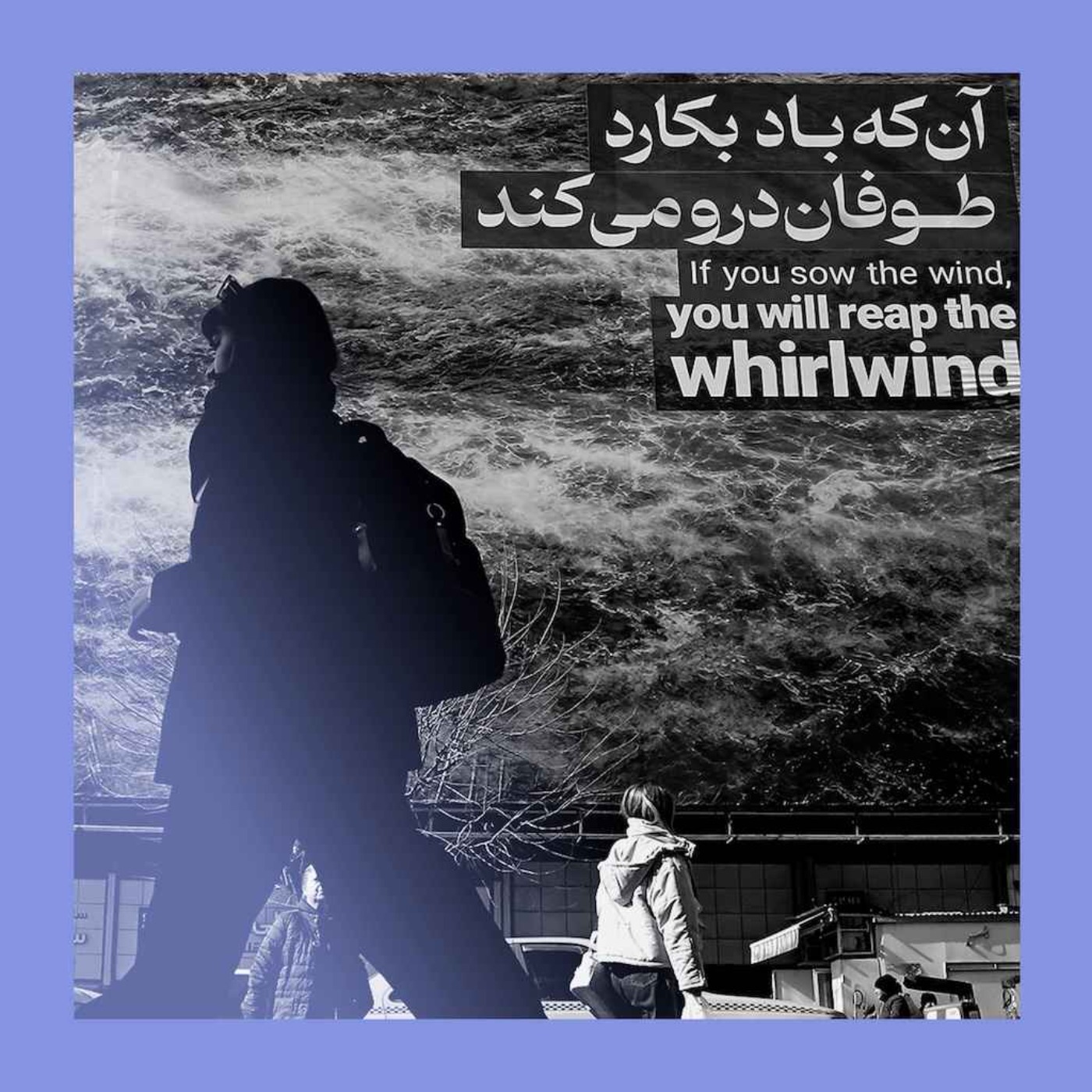
The next escalation in the Russia-NATO conflict won't be conventional warfare but an expansion of the current "shadow war." This involves asymmetric tactics like cyberattacks, destroying undersea cables, using drones in allied airspace, and funding vandalism of critical infrastructure to divide and destabilize European allies from within.
The academic theory behind 'people-powered' civil resistance has military origins. Seminal research by figures like Gene Sharp was directly funded with $50 million from the Pentagon's psychological operations unit to develop methods for bottom-up, state-sponsored coups under the guise of grassroots movements.

Putin's history shows a reliable pattern: he appears cooperative and makes agreements, only to later act in his own self-interest. To predict his moves in conflicts like the Ukraine war, one must analyze this long-term behavioral pattern rather than his current statements or gestures.

Throughout the 19th and 20th centuries, Russia consistently manipulated China during its moments of weakness. It offered "mediation" in conflicts like the Opium Wars that ultimately served Russian interests by keeping China destabilized and forcing it to cede territory.

What appear as organic 'color revolutions' are often the result of a highly developed, academic playbook. This field, known as 'democratization studies' or 'civil resistance,' is taught at major universities and provides a systematic, step-by-step guide for orchestrating political change from the bottom up.
Soviet leaders who lived through WWII understood the unpredictability of direct conflict and preferred proxy wars. Vladimir Putin, in contrast, has consistently used direct "hot wars"—from Chechnya to Georgia to Ukraine—as a primary tool to consolidate power and boost his domestic popularity.
Trump is not an isolated phenomenon but a vessel for a broader, international right-wing movement. His talking points on immigration and 'special operations' mirror the language used by authoritarians like Viktor Orbán in Hungary and Vladimir Putin in Russia. This global playbook is tested in 'laboratories of autocracy' worldwide before being deployed in the U.S.

The KGB's 20-year campaign to frame Pope Pius XII as a Nazi sympathizer only worked in the 1960s. It succeeded because it targeted a generation too young to have lived through WWII and witnessed the Pope's anti-Hitler actions firsthand, creating a "blank canvas" for the false narrative to take hold.
The modern concentration of media power isn't a recent phenomenon. It was formalized during WWII when the Pentagon centralized control over radio, print, and Hollywood for propaganda purposes. This government-media relationship persisted and expanded through Cold War intelligence operations like Project Mockingbird.