Get your free personalized podcast brief
We scan new podcasts and send you the top 5 insights daily.
Fictional portrayals of organized crime have a tangible impact on real-world criminal groups. Gangsters in Turkey adopted the term "baba" (godfather) after watching Francis Ford Coppola's films, and some Mexican cartels require recruits to watch "The Godfather" trilogy as a training tool. This demonstrates a feedback loop where popular culture actively shapes criminal identity and behavior.

Related Insights
Before Operation Eagle Claw, Delta Force's rituals, including a dramatic Bible reading and singing "God Bless America," were strikingly similar to the final scene of the Oscar-winning film *The Deer Hunter*. This reveals a fascinating intersection of popular culture and elite military reality.

Organized crime in Latin America is evolving as drug gangs diversify their portfolios into human trafficking. They repurpose existing infrastructure, such as corrupt official contacts and money laundering networks built for the cocaine trade, to run these new operations. This strategic shift has turned previously separate criminal networks into interconnected 'best friends.'
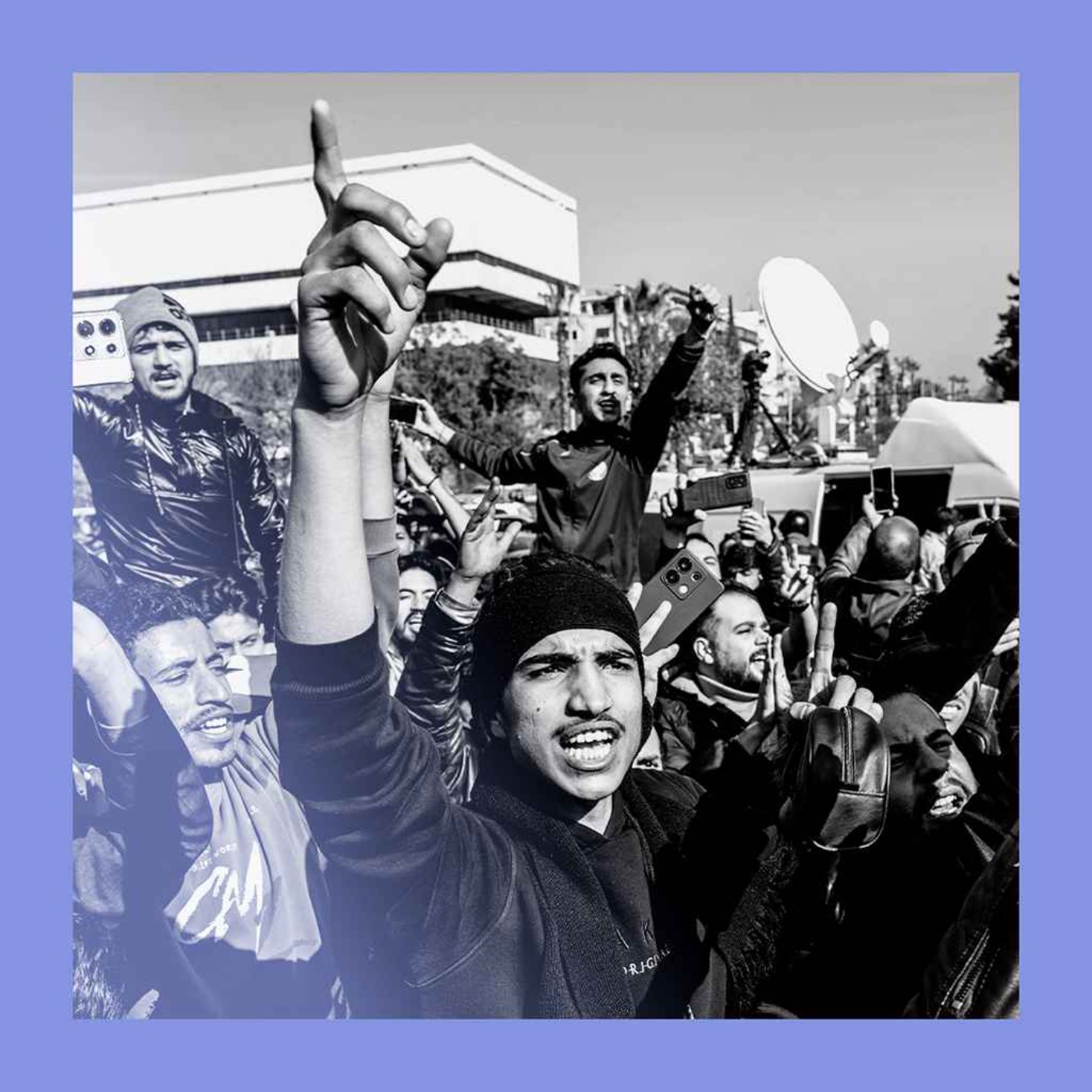
An FBI agent's memoir reveals that a cartel's linchpin is not the smuggler but the business-savvy launderer. These white-collar professionals devise complex schemes, like trading drug money for legitimate goods like cigarettes, to make illicit profits usable. This financial engineering is the most vital part of the operation.

The successful crackdown on the relatively business-minded Sinaloa cartel created a power vacuum. This void was filled by the more brutal Jalisco New Generation Cartel, which uses extreme violence as its primary business model. This inadvertently worsened the security situation by replacing a predictable actor with a chaotic one.

Drug trafficking has shifted from vertically integrated cartels to a fluid network of specialized subcontractors. This model, similar to tech manufacturing, makes the supply chain more resilient to disruption and fosters innovation in cultivation, smuggling, and money laundering, making it harder for law enforcement to disrupt.
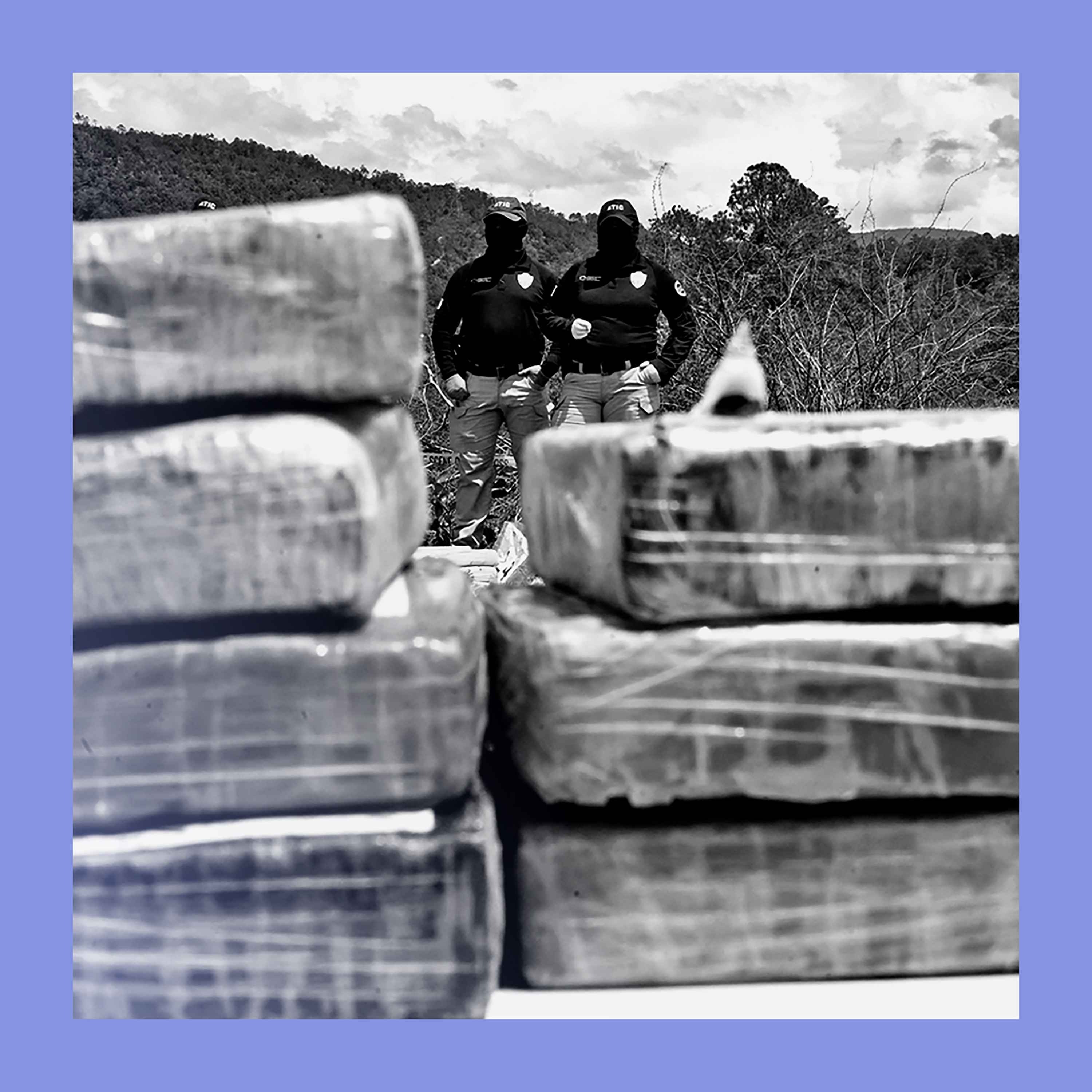
The nature of cartel violence in Mexico has shifted from traditional drug wars to battles for local economic power. Cartels are deeply integrated into the economy and government, competing for diversified revenue streams like fuel theft, extortion, and control over local supply chains.

In the 1860s, a power vacuum in Sicily coincided with a global craze for lemons, making orchards more profitable than French vineyards. A new organization emerged not to grow lemons, but to run extortion and protection schemes on the lucrative trade, evolving into the mafia.

The Jalisco New Generation Cartel's power stems from its diversified criminal portfolio. Beyond drug trafficking, it engages in fuel theft, extortion, and even timeshare fraud. This broad business model, combined with its presence in all 32 Mexican states, makes it a uniquely powerful and complex criminal organization.
Growing up in Sicily, Ed Luttwak learned the art of controlled violence. The culture, influenced by the Mafia, taught that escalating a simple fight could lead to family involvement and deadly consequences. This instilled a practical understanding of deterrence and the strategic, non-wasteful application of force.

The game's impact created a cultural feedback loop. Phrases like "Boom-shaka-laka" and "He's heating up," invented for the arcade, were adopted by real-life basketball commentators, demonstrating how a successful product can actively shape the culture it originally sought to emulate.