Get your free personalized podcast brief
We scan new podcasts and send you the top 5 insights daily.
An FBI agent's memoir reveals that a cartel's linchpin is not the smuggler but the business-savvy launderer. These white-collar professionals devise complex schemes, like trading drug money for legitimate goods like cigarettes, to make illicit profits usable. This financial engineering is the most vital part of the operation.

Related Insights
Saagar Enjeti argues that Jeffrey Epstein's primary influence came from his expertise in black market money laundering and tax evasion. This financial usefulness to global elites and intelligence agencies was the foundation of his power, which then enabled his predatory behavior.

Organized crime in Latin America is evolving as drug gangs diversify their portfolios into human trafficking. They repurpose existing infrastructure, such as corrupt official contacts and money laundering networks built for the cocaine trade, to run these new operations. This strategic shift has turned previously separate criminal networks into interconnected 'best friends.'
A novel form of organized crime involves gangs buying small, established freight forwarding businesses. They leverage the company's legitimate reputation to take possession of high-value shipping containers, steal the goods, and then promptly shut down the business and disappear, making the crime nearly untraceable.

Cryptocurrency's strategic impact isn't its potential to replace the entire financial system, but its ability to absorb the relatively small but critical volume of global transactions related to crime and sanctions evasion, where it can be uniquely effective.
Many white-collar criminals are otherwise intelligent, successful leaders who want their firms to succeed. Their misconduct stems from environmental pressures and psychological distance from consequences, rather than inherent malicious intent. This challenges the simplistic view that only bad people do bad things.
Epstein's early inquiry about Bitcoin wasn't just tech foresight. It highlights his primary skill: identifying emerging technologies for anonymous, cross-border money movement, which was the true source of his power and influence with global elites.
The actual business of a high-level drug enterprise is not just selling a product, but managing immense risk. Their competitive advantage—their "moat"—is the ability to navigate a system of extreme violence and legal peril, which requires a high level of entrepreneurial skill.

Drug trafficking has shifted from vertically integrated cartels to a fluid network of specialized subcontractors. This model, similar to tech manufacturing, makes the supply chain more resilient to disruption and fosters innovation in cultivation, smuggling, and money laundering, making it harder for law enforcement to disrupt.
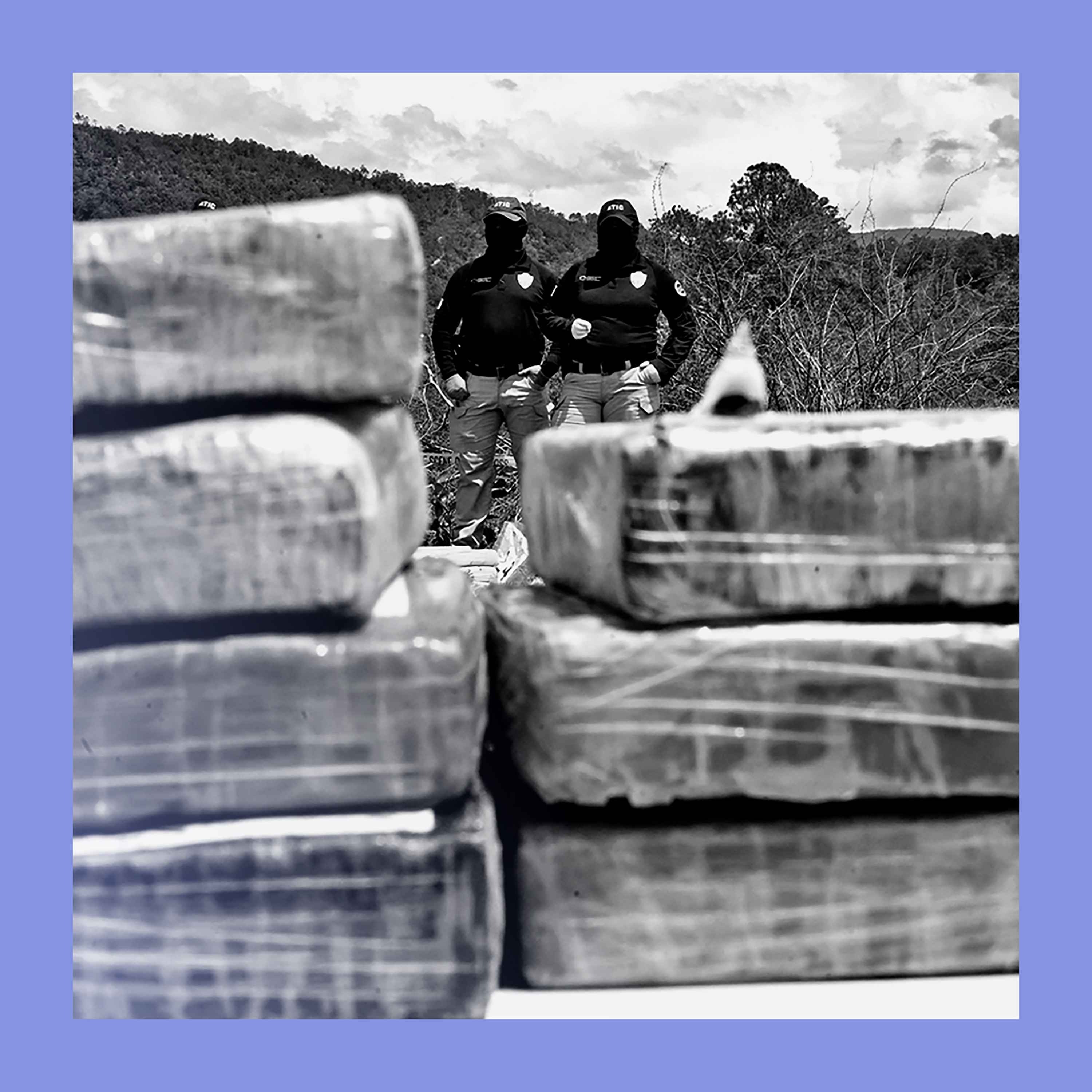
The nature of cartel violence in Mexico has shifted from traditional drug wars to battles for local economic power. Cartels are deeply integrated into the economy and government, competing for diversified revenue streams like fuel theft, extortion, and control over local supply chains.

Large-scale fraud operates like a business with a supply chain of specialized services like incorporation agents, mail services, and accountants. While some tools are generic (Excel), graphing the use of shared, specialized infrastructure can quickly unravel entire fraud networks.