Get your free personalized podcast brief
We scan new podcasts and send you the top 5 insights daily.
The host announces a bounty for his `annotated.com` idea, using the announcement to lay out a detailed product spec live on air. This turns a contest into a public Product Requirements Document (PRD), crowdsourcing both the ideation and execution.

Related Insights
The podcast offered a $5,000 bounty for a live AI sidebar, attracting over a dozen submissions. This strategy serves as a low-cost R&D method to solve a specific technical challenge while activating the most skilled members of their community.
Jason Calacanis uses small cash bounties on social media to incentivize developers to build and open-source initial versions of his startup ideas. This is a low-cost method to test concepts, attract technical talent, and kickstart development before committing significant capital.

Prompt an AI tool like Perplexity to create two personas—one for and one against your idea. Have them debate using Reddit discussion data to surface the minimum features needed to convince skeptics and achieve product-market fit.

To test an idea cheaply, create a waiting list campaign instead of building a product. The number of signups is a powerful validator of market demand. The speaker validated one idea with 4,500 signups, which helped raise £250,000 in a week.

Instead of paying for traditional focus groups, early-stage founders can post product ideas, like packaging designs, on social media. This provides an instantaneous and free feedback loop directly from potential customers, enabling rapid, data-informed iteration before committing to costly production.
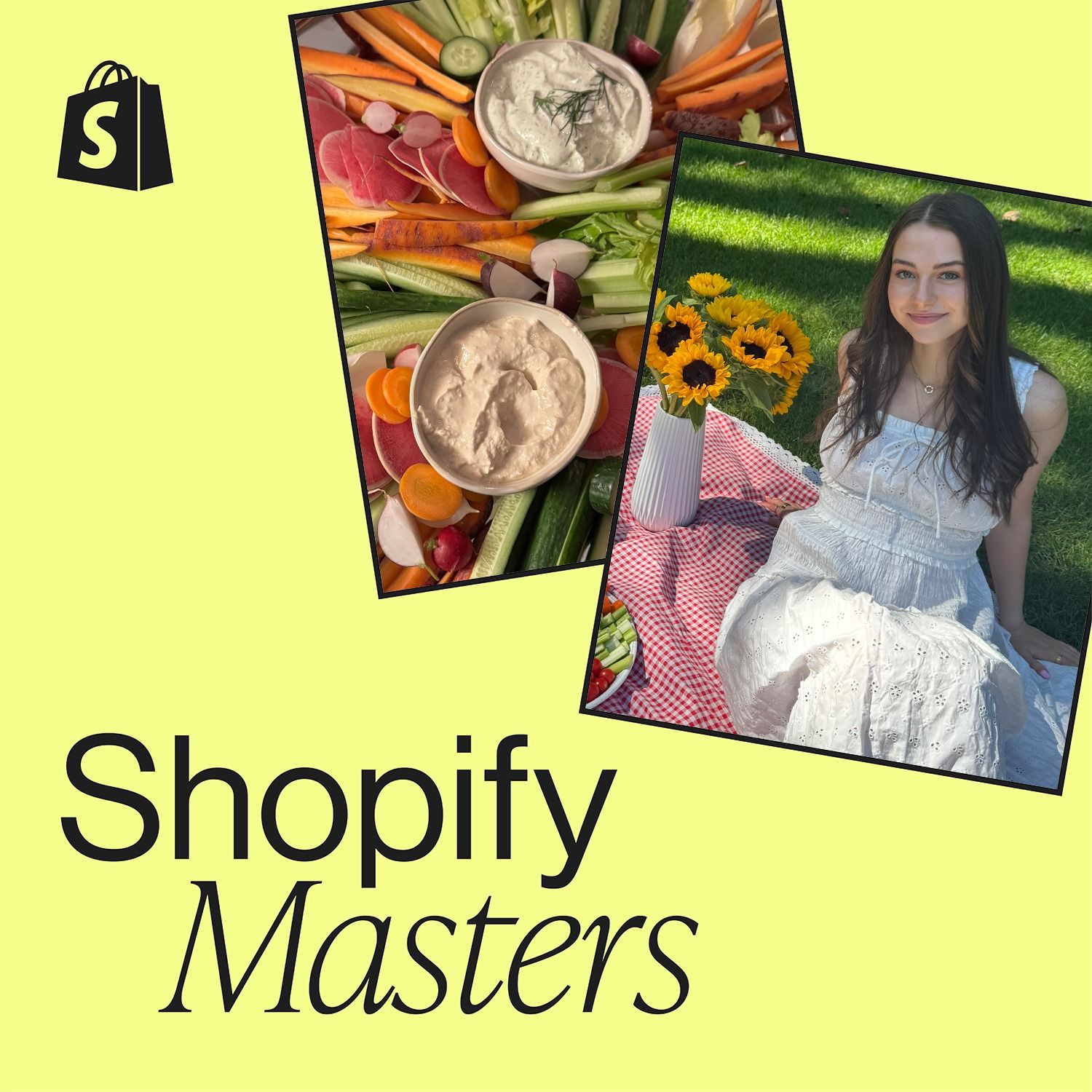
Unbound Merino used its Indiegogo campaign as a definitive test for market demand, not just a funding tool. This framed the effort as a win-win: either a successful business would be born, or the founder would get a box of the custom t-shirts he personally wanted.
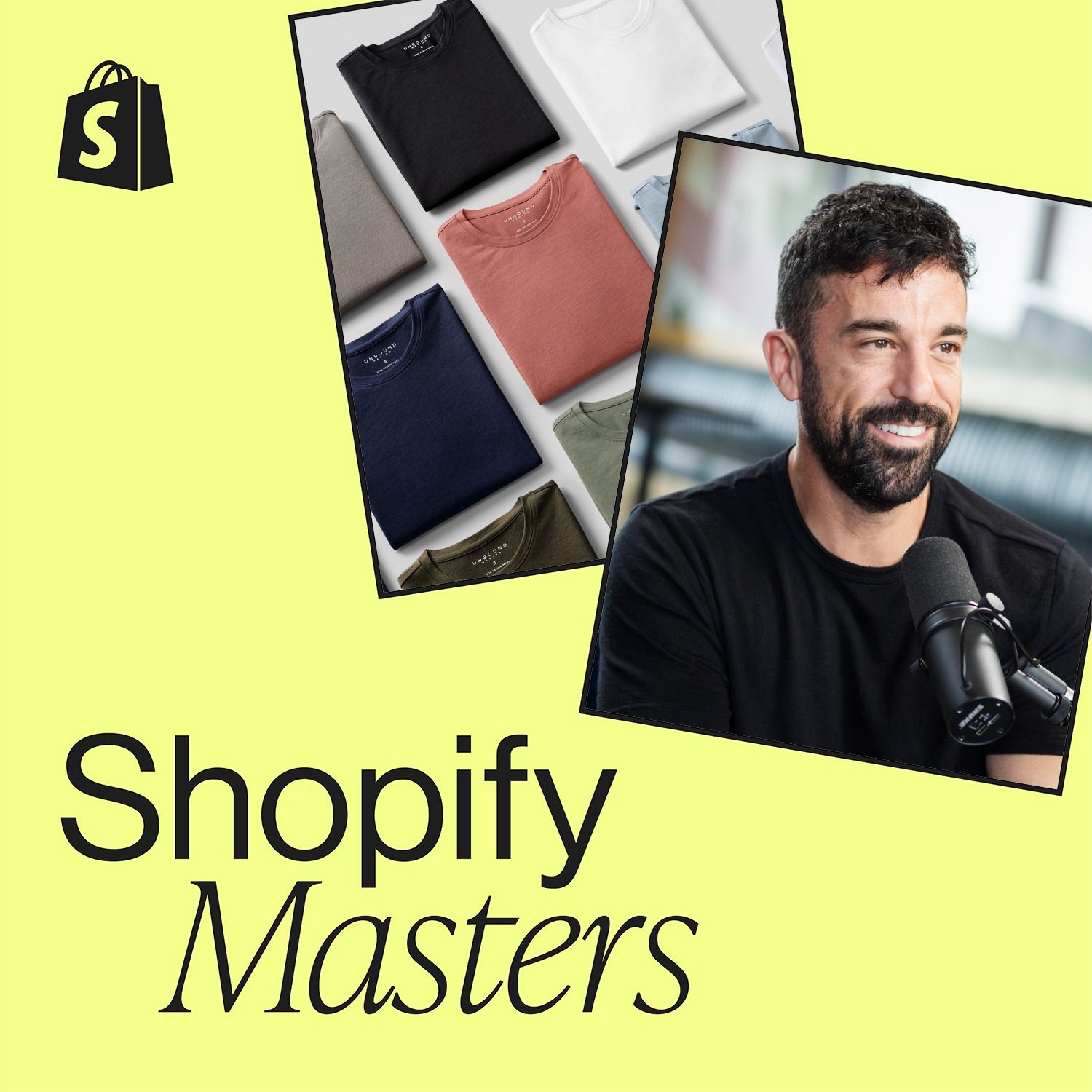
Hedley & Bennett founder Ellen Bennett, a line cook herself, used top chefs as a real-time focus group. By asking her target audience directly what was wrong with existing products and what they needed, she gathered all the building blocks to create a superior product without formal R&D.
Replace speculative feedback from discovery calls with a process that would be "weird if it didn't work." First, get strangers to pre-pay for a solution. Then, deliver it manually. This confirms real demand (payment) and validates the solution's value (retention) before writing code.

A simple but powerful framework for any product initiative requires answering four questions: 1) What is it? 2) Why does it matter (financially)? 3) How much will it cost (including hiring and ops)? 4) When do I get it? This forces teams to think through the full business impact, not just the user value.

Instead of accepting a generic plan, prompt Claude Code to use its "Ask User Question Tool." This invokes an interview process, forcing you to consider minute details like technical implementation, UI/UX, and trade-offs, leading to a much stronger and more actionable plan.
