Get your free personalized podcast brief
We scan new podcasts and send you the top 5 insights daily.
The salad chain is growing its Gen Z customer base twice as fast as other demographics. This success is not from a complex strategy but a simple two-part play: introducing a familiar product format (wraps) and then activating over 1,000 Gen Z social media influencers to promote it.

Related Insights
Today's college students hold significant influence over their parents' buying behaviors. Instead of marketing directly to older demographics, CPG brands can achieve greater success by targeting Gen Z on platforms like TikTok, prompting them to recommend products to their parents.

By introducing wraps, Sweetgreen is attempting to transition from a brand known for sit-down salads to a convenience player for on-the-go customers. The core strategic risk is whether this move will attract a new customer segment or simply convince existing salad buyers to switch, potentially cannibalizing sales.

A fundamental shift in consumer behavior is occurring, with roughly 70% of Gen Z now using social platforms like TikTok as their first stop for search, ahead of Google. This trend makes a strong influencer presence on these platforms critical for brand discovery.

To reach a wide audience without diluting its voice, Gap employs a three-pronged strategy: 'recruit' Gen Z via social media, 'retain' millennials with core products, and 'reactivate' older fans using cultural unifiers like nostalgic music.
Instead of spending big on trendy mega-influencers, Gamma found success by scaling relationships with thousands of micro-influencers in niche, high-trust "echo chambers" like education. These smaller, authentic voices spread like wildfire within their communities, driving more effective growth.

To land major retailers like Target, Waterboy focused on incrementality. They showed how their strong social presence and differentiated product would attract a new, younger Gen Z demographic to the store, increasing the retailer's overall category sales, not just replacing an existing product.

The founders identified a mismatch between the modern, Gen Z pickle consumer on TikTok and the outdated, homogenous branding on store shelves. By targeting a neglected category with bold design and unique flavors, they faced less competition and stood out to both consumers and retail buyers.
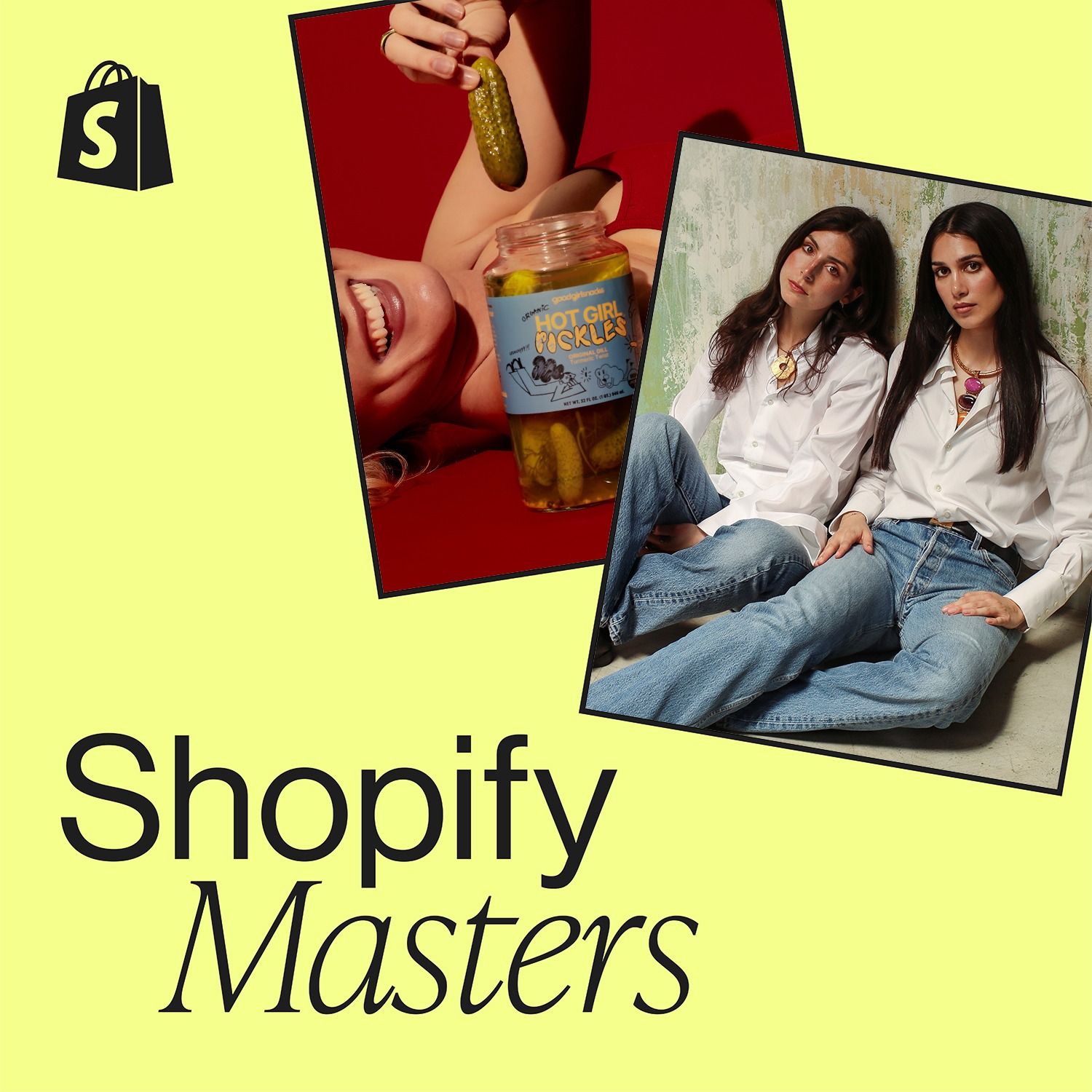
Major food companies like PepsiCo and Hormel are adding dill pickle flavoring to everything from Cheetos to pepperoni. This trend is driven by data showing it resonates strongly with Gen Z, making it a key strategy to capture the coveted demographic.

To appeal to its wide customer base, Coyuchi strategically selects partners to represent different generations. The brand paired with Naomi Watts to connect with its established Gen X and Boomer audience, and with influencer Rocky Barnes to attract younger, modern moms, ensuring relevance across its diverse demographics.

Instead of sticking to planned marketing for a new burger, Chili's social team noticed an organic TikTok trend around their Triple Dipper appetizer. By "pouring gas on the fire" with influencers, they turned a fan-driven behavior into a massive growth driver, proving the value of marketing agility.
