Get your free personalized podcast brief
We scan new podcasts and send you the top 5 insights daily.
Major food companies like PepsiCo and Hormel are adding dill pickle flavoring to everything from Cheetos to pepperoni. This trend is driven by data showing it resonates strongly with Gen Z, making it a key strategy to capture the coveted demographic.

Related Insights
Today's college students hold significant influence over their parents' buying behaviors. Instead of marketing directly to older demographics, CPG brands can achieve greater success by targeting Gen Z on platforms like TikTok, prompting them to recommend products to their parents.

Struggling legacy brands are rebranding as "healthy" by simply adding one trendy ingredient, like electrolytes to Kool-Aid or protein to Mac & Cheese. This "addition economy" strategy creates a perception of wellness without fundamentally changing the core product, tapping into consumer health trends with minimal R&D.

Nutter Butter, a 55-year-old brand, successfully engaged a younger audience by embracing absurdist, meme-style humor. This risky strategy, while potentially alienating some, is effective for generating deep brand love because it requires taking a bold, creative stand.
Taking a cue from how a fish with a bad name was successfully repositioned, Goldfish created adult-focused packaging calling the crackers "Chilean Sea Bass." This small, clever change in naming and packaging completely reframed the same product for a new audience.

The varying spice levels on individual Flamin' Hot Cheetos create a subconscious, Pavlovian response in consumers. This variable reward system, where you hunt for the next "hot" chip, is a mental hack that drives virality and repeat consumption, much like a slot machine.

Frito-Lay's Flamin' Hot brand moves beyond simple influencer marketing by studying and collaborating with obsessed subcultures. This approach informs not only marketing campaigns, like a song with Megan Thee Stallion, but also its core product innovation pipeline, making marketing a byproduct of deep cultural integration.
The surge in pickle-flavored items reflects a broader consumer trend, particularly with Gen Z, toward provocative flavor combinations that generate viral social media content. This shift promotes foods from simple condiments to standalone experiences, driven by their potential for digital engagement.

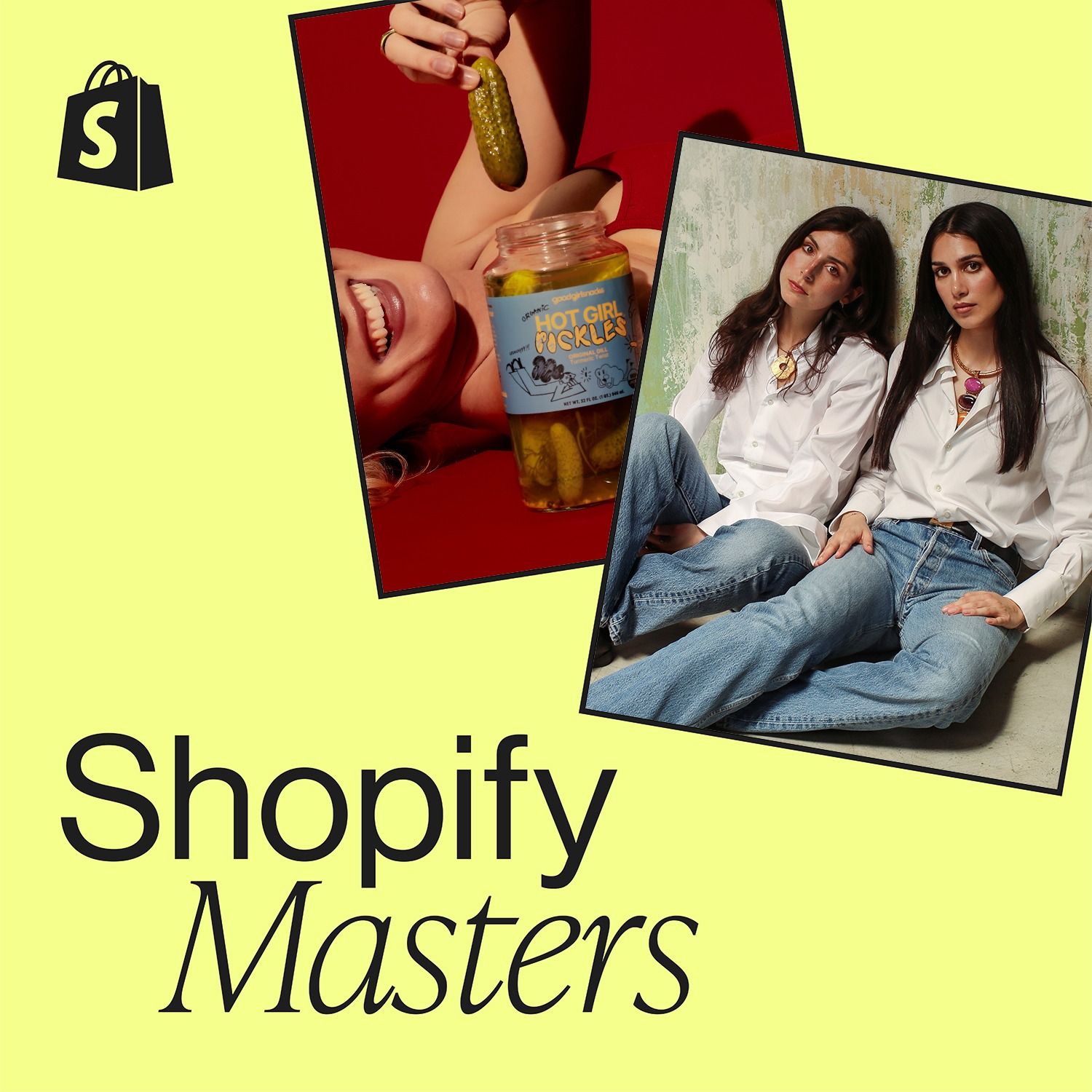
The founders identified a mismatch between the modern, Gen Z pickle consumer on TikTok and the outdated, homogenous branding on store shelves. By targeting a neglected category with bold design and unique flavors, they faced less competition and stood out to both consumers and retail buyers.
The success of "Zero Sugar" sodas over "Diet" sodas, despite being nearly identical products, reveals a generational shift in values. Younger consumers reject the restrictive connotations of "dieting" and embrace the positive, wellness-focused language of "zero," which aligns with a lifestyle of health optimization.

The acquisition of Alani Nu was a strategic move to fill a portfolio gap by targeting Gen Z women, a demographic where the core Celsius brand underpenetrated. This was not a move driven by slowing core growth, but rather an efficient way to enter a fast-growing, adjacent consumer segment.
