Get your free personalized podcast brief
We scan new podcasts and send you the top 5 insights daily.
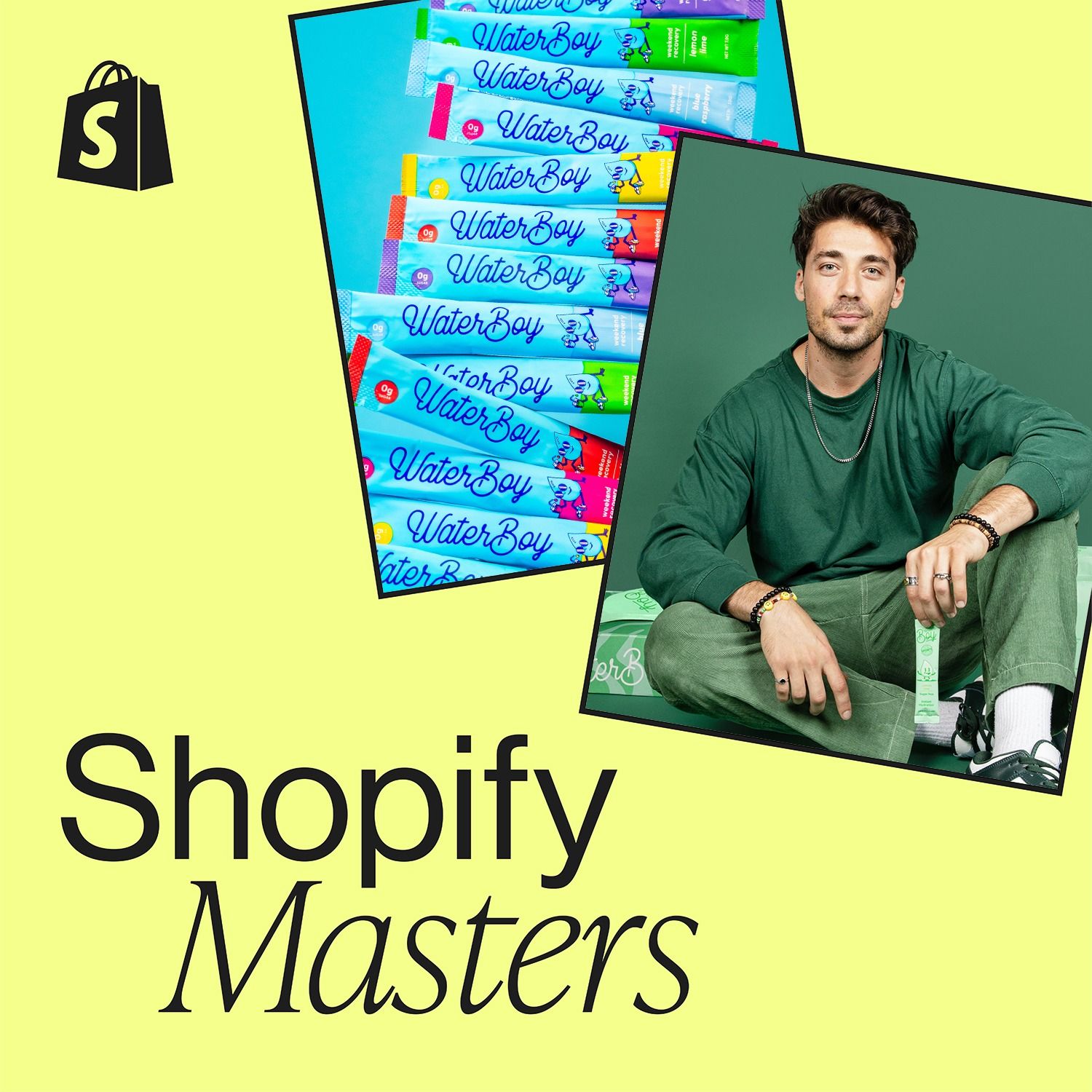
To land major retailers like Target, Waterboy focused on incrementality. They showed how their strong social presence and differentiated product would attract a new, younger Gen Z demographic to the store, increasing the retailer's overall category sales, not just replacing an existing product.
Related Insights
Coach transformed its growth strategy by shifting from retaining loyal customers to acquiring new ones at market entry. By aiming to be the "first luxury bag" for the 25 million women who turn 18 each year, they redefined their total addressable market from incremental share gains to a massive, recurring opportunity.

Despite beverages being a category people rarely buy online, Breeze generated tens of millions in DTC sales. This built a huge base of customers who preferred to buy in-store, creating a powerful demand flywheel. When Breeze launched in retail, it sold four months of inventory in two weeks.

Don't try to force customers to adopt new behaviors, like a boot-buyer purchasing sandals. Instead, focus on encouraging them to buy a second pair, a newer model, or an upgraded version of the product they already love. This audience-focused approach builds on existing loyalty and is far more effective.

Molson Coors revitalized its Coors Banquet brand by doubling down on its authentic, 150-year-old Western identity. This strategy resonated with a younger, legal-drinking-age Gen Z audience seeking authenticity, proving that heritage can bridge generational divides.
Modern B2B buyers, particularly from younger generations, make decisions based on a company's values, not just its product features. They actively choose brands that demonstrate clear stances on ethics, inclusion, and transparency. A purpose-driven brand becomes memorable and builds trust in a crowded market.

To launch an energy drink, Caribou Coffee created a dating content series hosted by a comedian popular with Gen Z. This move tapped into the cultural zeitgeist of dating shows and authentically reflected the brand's role as a popular first-date location, resulting in a highly successful campaign.
In every industry, a few established enterprises—like Costco for HR software—act as 'tastemakers' by adopting new technology early. Winning these key accounts first provides crucial validation and influences other companies in the vertical to follow, creating a powerful go-to-market advantage that bypasses smaller customers.
Waterboy opted for a "customer brand trip" instead of a traditional influencer trip, focusing on rewarding loyal buyers. The goal was community-building, not direct ROI. This authentic, against-the-grain approach generated significant buzz and ultimately proved to be ROI-positive.
Stanley repositioned its utilitarian tumblers by shifting from their blue-collar base to beauty and wellness influencers. By framing the product as essential for hydration and wellness, not just a water container, they could charge 5x more and tap into a new, lucrative market.

The founders secured a deal with Target by approaching their pitch with a casual tone, believing it was just a preliminary meeting. This lack of self-imposed pressure allowed for a more authentic discussion that resonated with the buyers, leading to an "all doors" deal without a formal follow-up.