Get your free personalized podcast brief
We scan new podcasts and send you the top 5 insights daily.
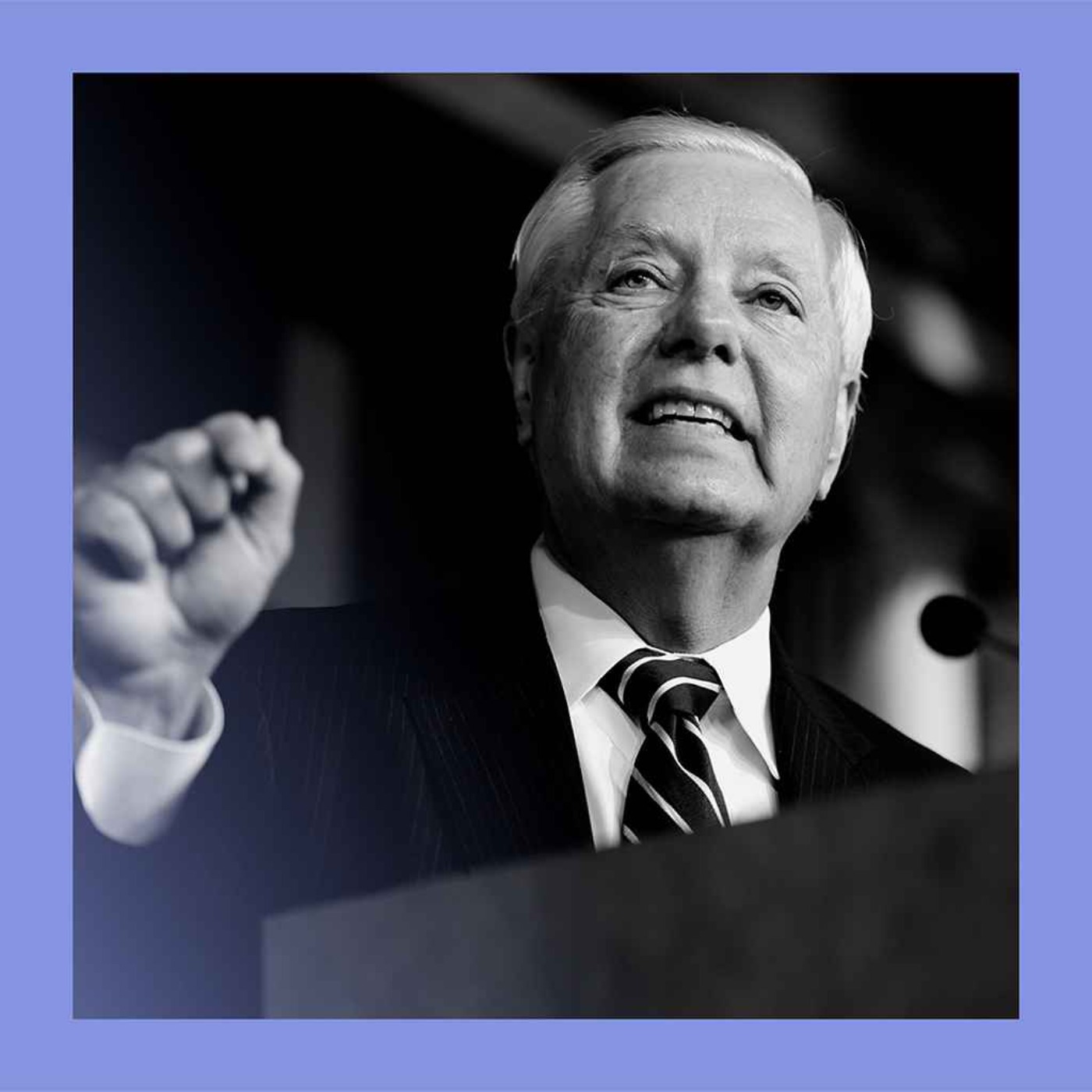
Senator Lindsey Graham initially denounced Donald Trump but later became a staunch ally. This transformation was not a change in core beliefs but a pragmatic decision to maintain political influence and access to power once Trump became the party's dominant figure, reflecting a broader party trend.
Related Insights
The Trump administration reveals that governance is less about ideology and more about high-stakes transactions. Success in politics, much like a game of 'money chess,' comes from identifying and trading for what each party desires—be it money, oil, or influence. This transactional nature of power is far more pervasive than many believe.

A toxic, symbiotic relationship exists between GOP voters, right-wing media, and elected officials. Each element reinforces the others, creating an incentive structure where politicians and media figures must cater to the base's appetite for Trumpism to survive, regardless of their personal beliefs.
Scott Galloway posits that proximity to Donald Trump is politically radioactive. With few exceptions, anyone who serves in his administration or aligns closely with him suffers irreparable damage to their political future, effectively destroying the Republican bench of viable candidates.

Many educated Trump supporters aren't driven by conviction but by powerful rationalizations. They compartmentalize his flaws by focusing on a few agreeable points, allowing them to stay within their social and professional circles without admitting the embarrassing truth of their compromise.
Donald Trump collapsed the GOP's purity tests into a single dimension: personal loyalty to him. The Left, lacking a single leader, has a plurality of ideological tests (e.g., wokeness, Medicare for All). This creates fundamentally different coalition-building challenges for each party.

Political parties now adopt positions primarily to oppose their rivals, rather than from consistent principles. This is seen in the multiple reversals on COVID-19 policies and vaccines. When beliefs flip-flop based on the opponent's stance, the driving force is tribalism, not ideology.

Republicans speaking out against the censorship of Stephen Colbert is less a test of their moral backbone and more a strategic calculation. Their willingness to dissent serves as an indicator that they perceive Donald Trump's political power and ability to retaliate as weakening, suggesting the 'Trump fever' may be breaking.
Senator Sanders describes a 'Stalinist type allegiance' within the Republican party, where dissent against Donald Trump is rare. Politicians fear that any criticism will result in them being targeted in primary elections by billionaire-funded challengers, creating a cult of personality that stifles independent thought.
Vance's journey from calling Trump 'America's Hitler' to his VP was driven by a changed belief. He initially trusted America's institutions (like military leadership). He now believes those institutions are 'sclerotic and broken' and sees Trump as the necessary weapon to disrupt them.

Political allies often remain silent critics until a leader's power begins to wane. The recent increase in Republicans publicly questioning Trump's economic grasp demonstrates this principle. This belated courage is more about political survival and opportunism than genuine conviction, emerging only after the personal risk has subsided.