Get your free personalized podcast brief
We scan new podcasts and send you the top 5 insights daily.
Republicans speaking out against the censorship of Stephen Colbert is less a test of their moral backbone and more a strategic calculation. Their willingness to dissent serves as an indicator that they perceive Donald Trump's political power and ability to retaliate as weakening, suggesting the 'Trump fever' may be breaking.
Related Insights
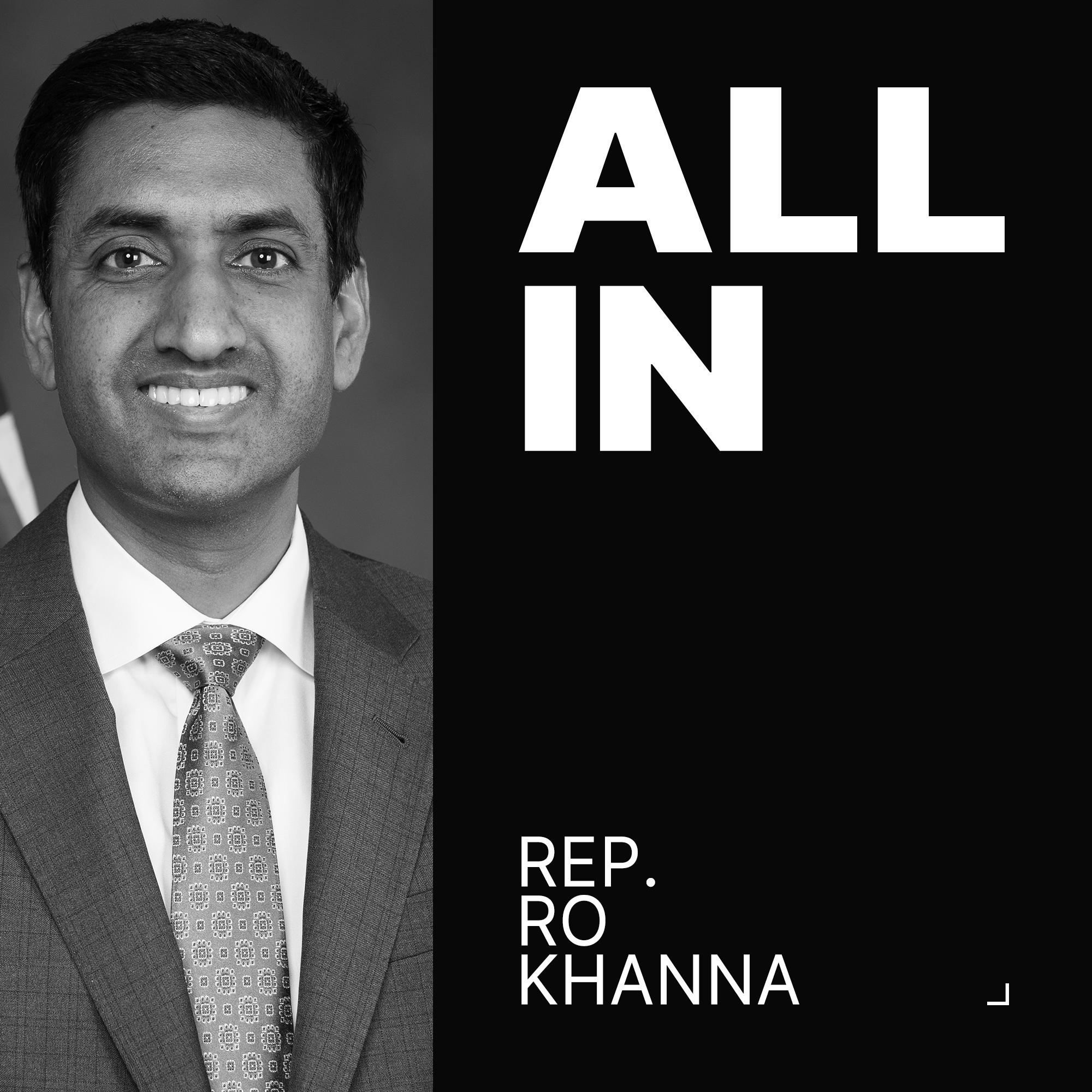
Ro Khanna argues that the true measure of a commitment to free speech isn't defending allies, but defending the speech of opponents. He builds credibility by citing his record of defending views he disagrees with, asserting this consistency is lacking on both political sides.
The check on authoritarian power doesn't require a majority opposition. In the U.S. Senate, a small faction of just 20 Republicans could privately threaten to join Democrats on an impeachment vote, effectively forcing the administration to reverse course. Their inaction signals political cowardice.

Trump's signature tactic of instigating cultural fights to distract is becoming less effective. Prominent conservatives are now pushing back against manufactured outrage over figures like Bad Bunny and calling out racist dog whistles, signaling that the strategy's power is waning beyond his core base.

The MAGA movement is fracturing in real-time as key figures openly challenge Trump. This indicates the succession battle has already begun, driven by policy disagreements, influencer dynamics, and conspiracy theories, shifting the movement from a monolithic base to a multi-polar power struggle.
The Trump administration's attempt to block Texas representative James Tallarico's interview on Stephen Colbert's show backfired. Instead of silencing him, the move generated massive publicity, driving millions to the interview on YouTube and turning a minor political figure into a famous 'resistance fighter'. This illustrates the 'Streisand Effect' in modern politics.
Recent election results highlight a key vulnerability for the Republican party: a substantial drop in voter turnout when Donald Trump is not the candidate. The base is less energized, leading to weaker performance in midterms and other elections. This poses a long-term strategic challenge for the party's future beyond Trump.
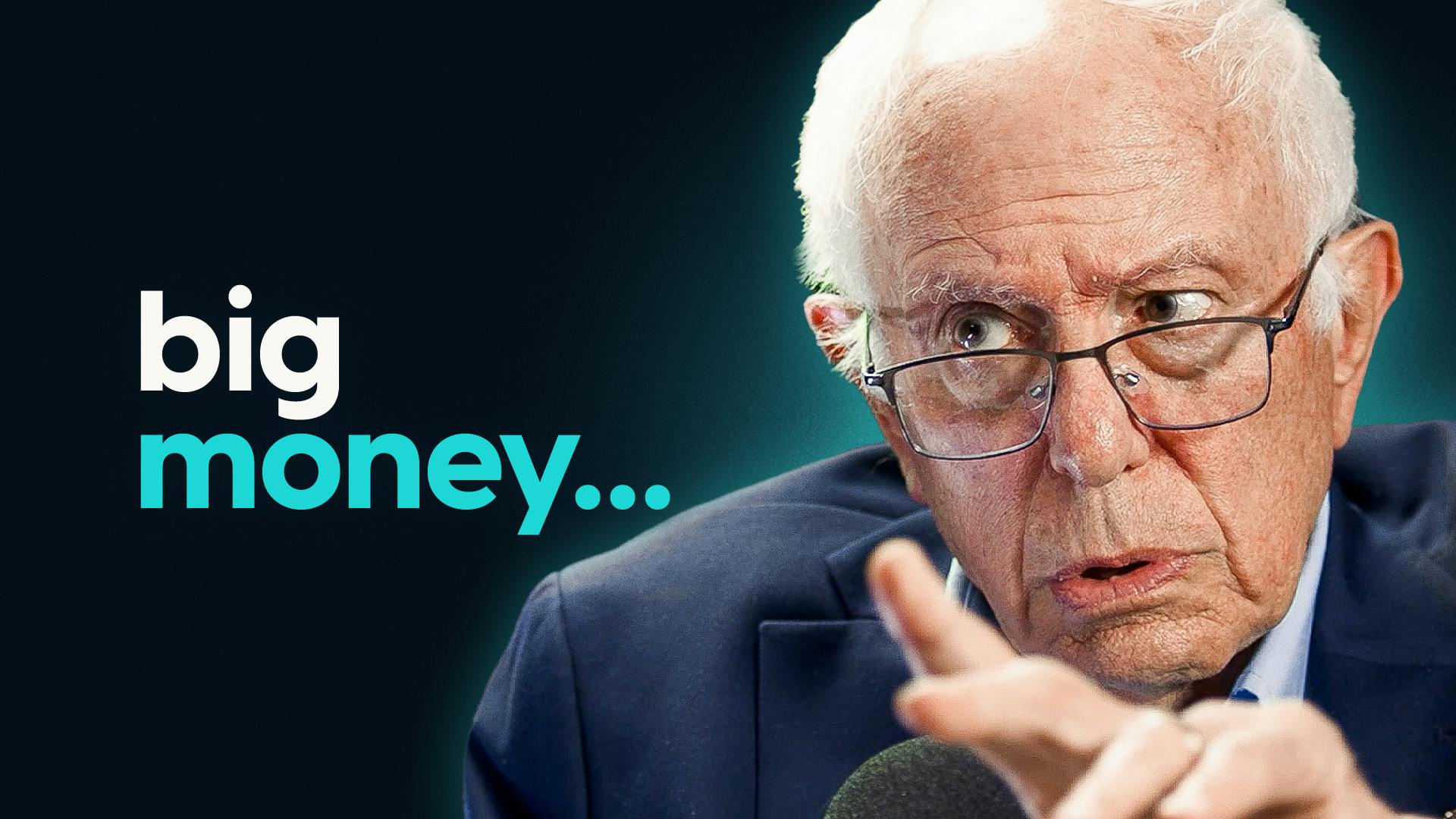
Senator Sanders describes a 'Stalinist type allegiance' within the Republican party, where dissent against Donald Trump is rare. Politicians fear that any criticism will result in them being targeted in primary elections by billionaire-funded challengers, creating a cult of personality that stifles independent thought.
The recent wave of Republican-led state laws censoring university curricula is so severe it has shocked even conservative thinkers who previously advocated for reforms against "wokeism." They see the new laws not as a needed correction, but as a radical overreach that has crowded out more moderate reformers.

While both the Biden administration's pressure on YouTube and Trump's threats against ABC are anti-free speech, the former is more insidious. Surreptitious, behind-the-scenes censorship is harder to identify and fight publicly, making it a greater threat to open discourse than loud, transparent attacks that can be openly condemned.

Political allies often remain silent critics until a leader's power begins to wane. The recent increase in Republicans publicly questioning Trump's economic grasp demonstrates this principle. This belated courage is more about political survival and opportunism than genuine conviction, emerging only after the personal risk has subsided.