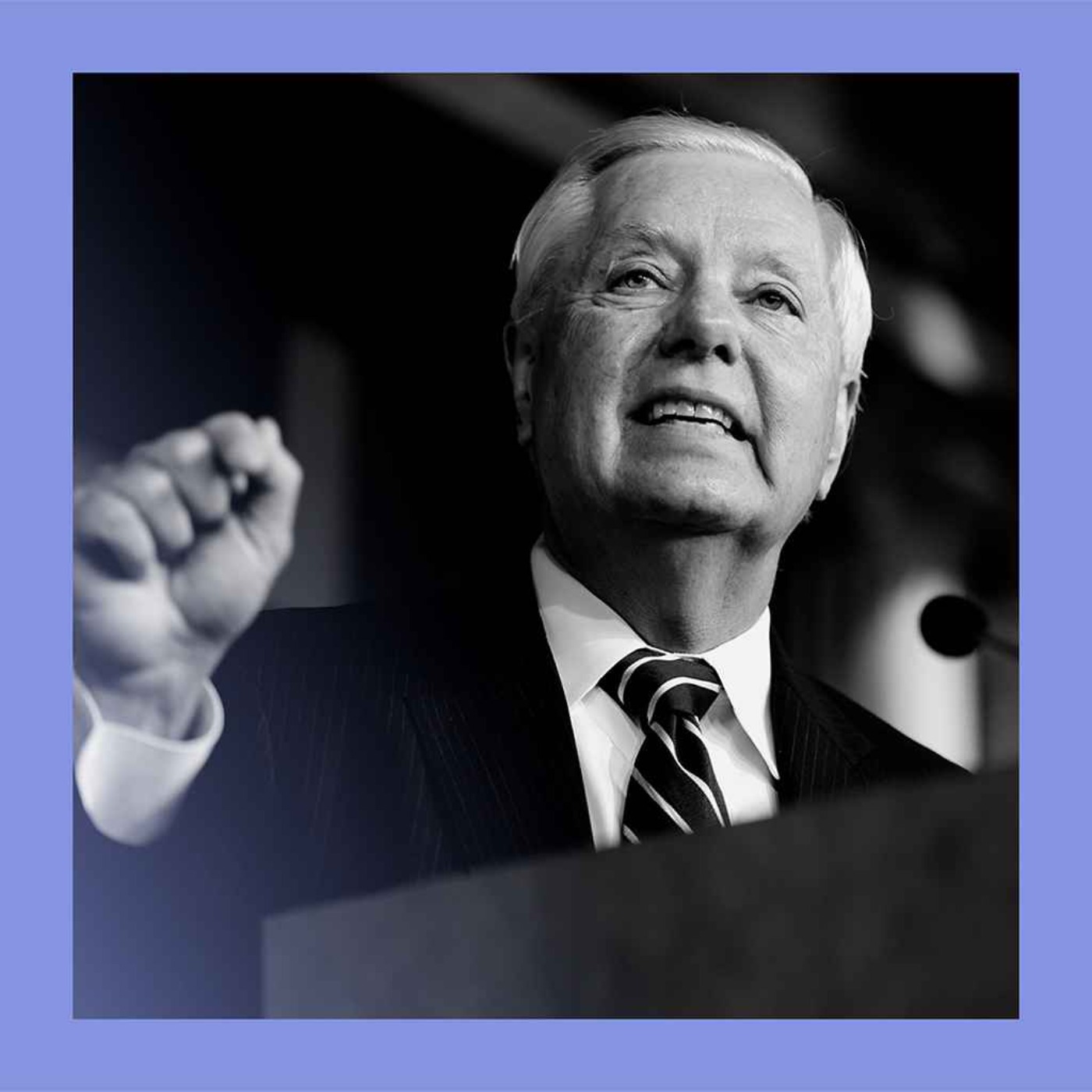
Senator Lindsey Graham initially denounced Donald Trump but later became a staunch ally. This transformation was not a change in core beliefs but a pragmatic decision to maintain political influence and access to power once Trump became the party's dominant figure, reflecting a broader party trend.
When tested with sociological surveys, AI models consistently align with the values of rich, secular, and self-expressive societies. This demonstrates they are not neutral tools but products of a specific cultural milieu—primarily Western and socially liberal—reflecting the data they were trained on.
A simple method to identify a Chinese AI is the 'Three T's' test: asking about Tibet, Taiwan, or Tiananmen. The models' inevitable refusal to answer or their delivery of a state-approved response reveals the deep-seated censorship and post-training manipulation that distinguishes them from Western counterparts.
As people increasingly turn to AI for guidance on personal matters, they are also implicitly delegating their moral and ethical reasoning. This trend represents a profound, yet largely unexamined, societal shift where the programmed values of AI systems begin to shape human ethics on a mass scale.