Get your free personalized podcast brief
We scan new podcasts and send you the top 5 insights daily.
A toxic, symbiotic relationship exists between GOP voters, right-wing media, and elected officials. Each element reinforces the others, creating an incentive structure where politicians and media figures must cater to the base's appetite for Trumpism to survive, regardless of their personal beliefs.
Related Insights
The public feuds between right-wing media figures are not a bug, but a feature. They create a 'soap opera' dynamic that serves as a form of political entertainment, keeping the audience deeply engaged and living entirely within that specific media ecosystem, reinforcing their worldview.
Cable news and social media don't show the average person who votes differently. They blast the loudest, most cartoonish "professional lunatics" from the opposing side. This creates a false impression that the entire opposition is extreme, making tribalism seem rational.
The surge in Independent voters is misleading. A significant portion are not persuadable centrists but are Trump-first loyalists who have been taught to scorn the Republican party. For them, Trump himself functions as their third party, not a vehicle for the GOP.

Supporting Trump after he tried to overturn an election required a new level of justification. Backers embraced extreme narratives, like left-wing elites being child predators, because only a threat perceived as equally or more severe than Trump's actions could make their continued support feel morally coherent.
A savvy political strategy involves forcing opponents to publicly address the most extreme statements from their ideological allies. This creates an impossible purity test. No answer is good enough for the fringe, and any attempt to placate them alienates the mainstream, effectively creating a schism that benefits the opposing party.

Many educated Trump supporters aren't driven by conviction but by powerful rationalizations. They compartmentalize his flaws by focusing on a few agreeable points, allowing them to stay within their social and professional circles without admitting the embarrassing truth of their compromise.
Political parties socialize well-intentioned individuals into a system of professionalized groupthink. The pressures of party loyalty, gaining power, and maintaining a united front lead politicians to engage in acts they would consider immoral on their own, such as lying or supporting policies they disagree with. This habitualized behavior is a core flaw of party politics.

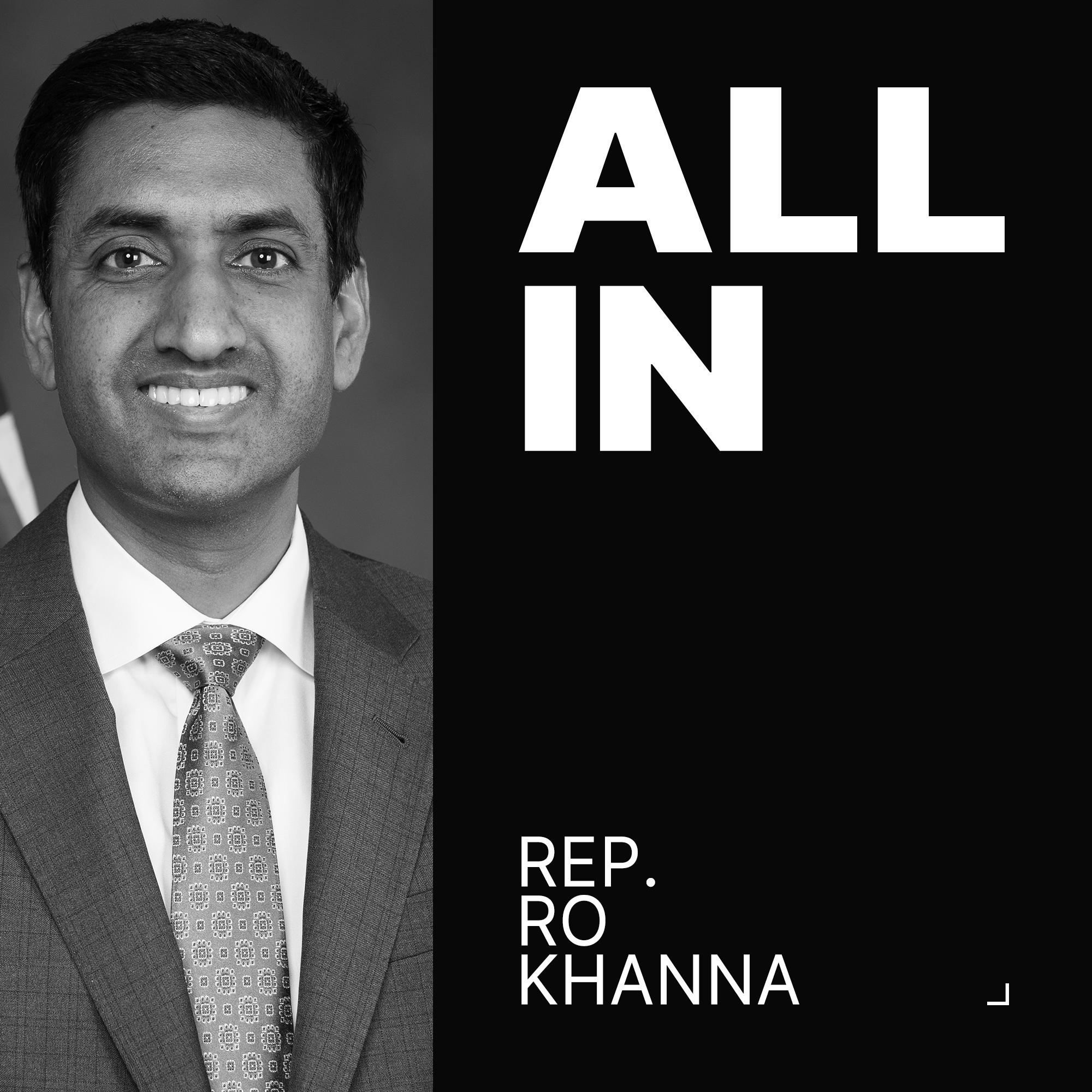
Congressman Ro Khanna argues that the primary corrupting force in American politics has shifted from money to hate and extremism. The modern attention economy rewards divisive behavior with media coverage and base support, making rational, bipartisan compromise a politically costly strategy.
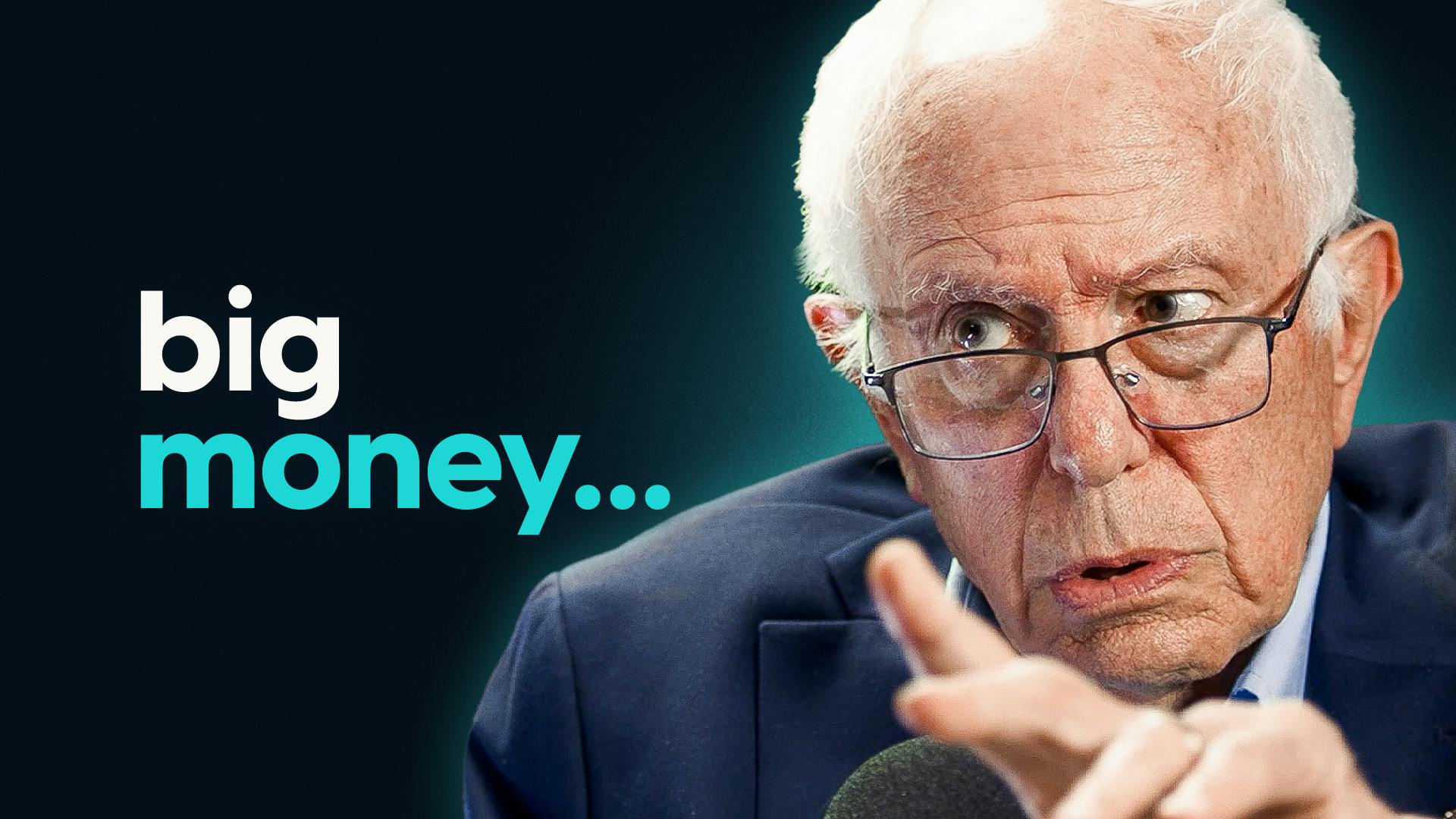
Senator Sanders describes a 'Stalinist type allegiance' within the Republican party, where dissent against Donald Trump is rare. Politicians fear that any criticism will result in them being targeted in primary elections by billionaire-funded challengers, creating a cult of personality that stifles independent thought.
The greatest threat to MAGA's cohesion isn't external opposition but internal conflict. Key media figures like Megyn Kelly and Candace Owens are publicly "beefing," signaling a fracturing of the movement from within that could mark the beginning of its end.
