Get your free personalized podcast brief
We scan new podcasts and send you the top 5 insights daily.
Scott Galloway posits that proximity to Donald Trump is politically radioactive. With few exceptions, anyone who serves in his administration or aligns closely with him suffers irreparable damage to their political future, effectively destroying the Republican bench of viable candidates.
Related Insights
A toxic, symbiotic relationship exists between GOP voters, right-wing media, and elected officials. Each element reinforces the others, creating an incentive structure where politicians and media figures must cater to the base's appetite for Trumpism to survive, regardless of their personal beliefs.
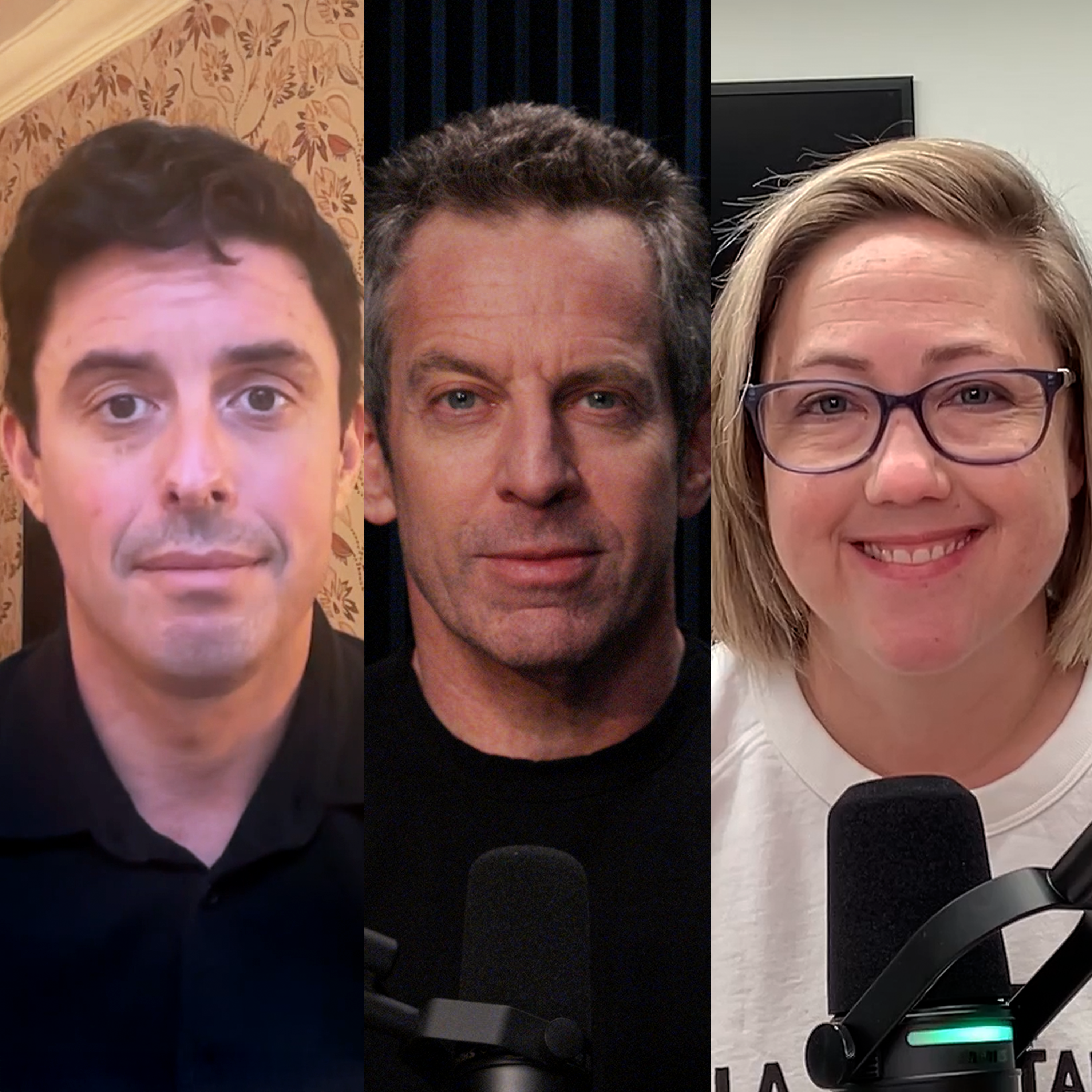
Using the historical example of President James Buchanan, who was abroad during a heated domestic period, Heather Cox Richardson suggests a viable GOP candidate could emerge by staying out of the current political fray. This allows them to appear untainted by the turmoil.
Trump's current inner circle consists of advisors loyal to him personally, not the country. They filter information to praise him and won't challenge his ideas, leading to poorly-informed, dangerous decisions.

Donald Trump's political style represents a shift beyond traditional autocracy. His primary aim isn't just to empower his party or allies, but to consolidate power entirely for himself, creating a personalist autocratic system where loyalty is to the individual, not an institution.

To counter what he sees as unprecedented corruption and bigotry, Prof. Scott Galloway suggests Democrats should promise a public reckoning for the Trump administration, akin to the Nuremberg trials, arguing their current response is too weak.
Unlike typical political graft, Kasparov explains that under Trump, corruption is the fundamental system. It's not a bug or an isolated problem but the deliberate and systematic use of state agencies and policies as a mechanism for personal enrichment. This reframes it from a moral failing to a systemic takeover.

Recent election results highlight a key vulnerability for the Republican party: a substantial drop in voter turnout when Donald Trump is not the candidate. The base is less energized, leading to weaker performance in midterms and other elections. This poses a long-term strategic challenge for the party's future beyond Trump.

Scott Galloway posits that Trump's team operates with two guiding principles: adopt Roy Cohn's aggressive, deflective style in public testimony and create major distractions (tariffs, firings) whenever media attention on Jeffrey Epstein's connection to Trump spikes.
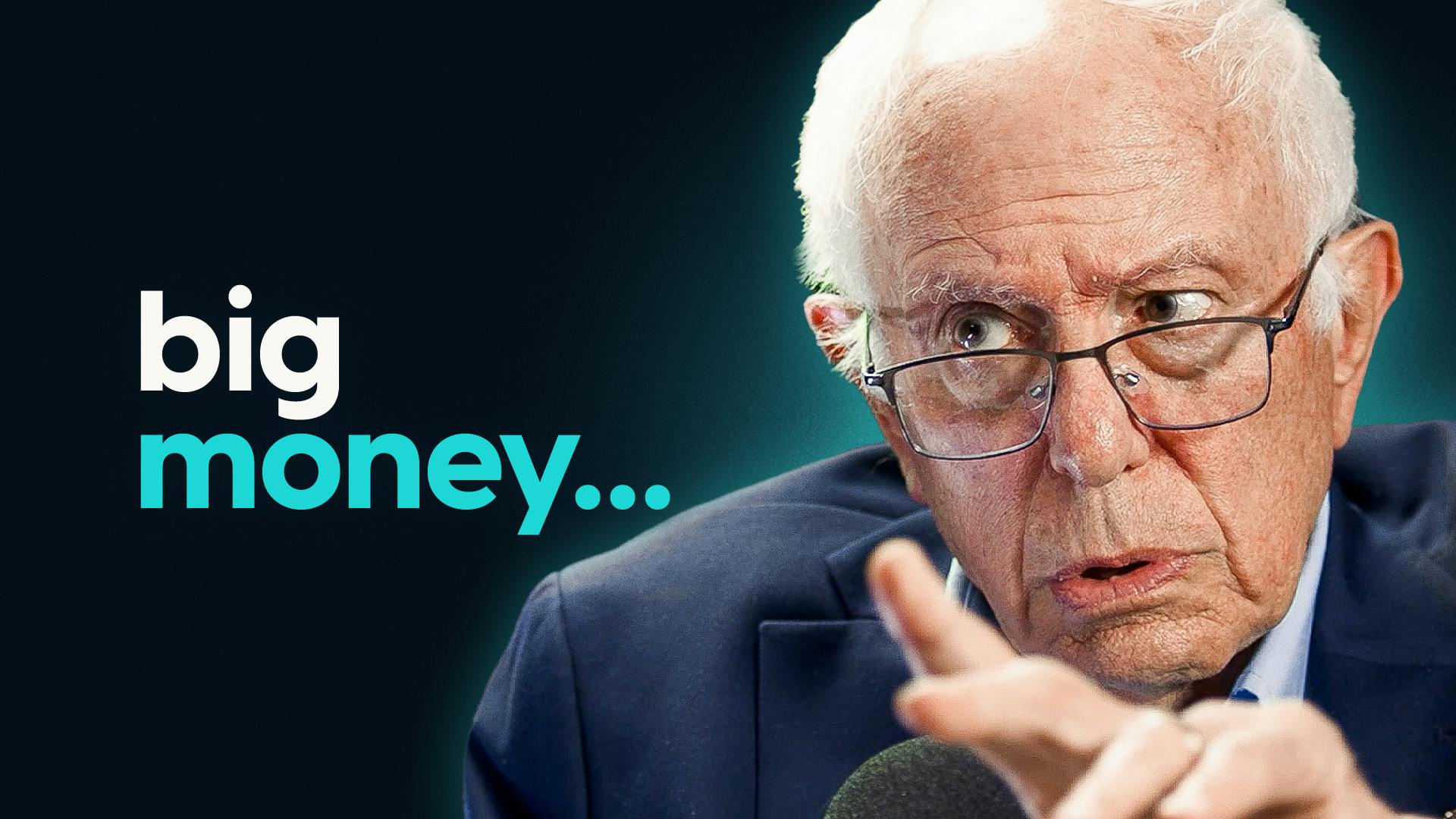
Senator Sanders describes a 'Stalinist type allegiance' within the Republican party, where dissent against Donald Trump is rare. Politicians fear that any criticism will result in them being targeted in primary elections by billionaire-funded challengers, creating a cult of personality that stifles independent thought.
Political allies often remain silent critics until a leader's power begins to wane. The recent increase in Republicans publicly questioning Trump's economic grasp demonstrates this principle. This belated courage is more about political survival and opportunism than genuine conviction, emerging only after the personal risk has subsided.