Get your free personalized podcast brief
We scan new podcasts and send you the top 5 insights daily.
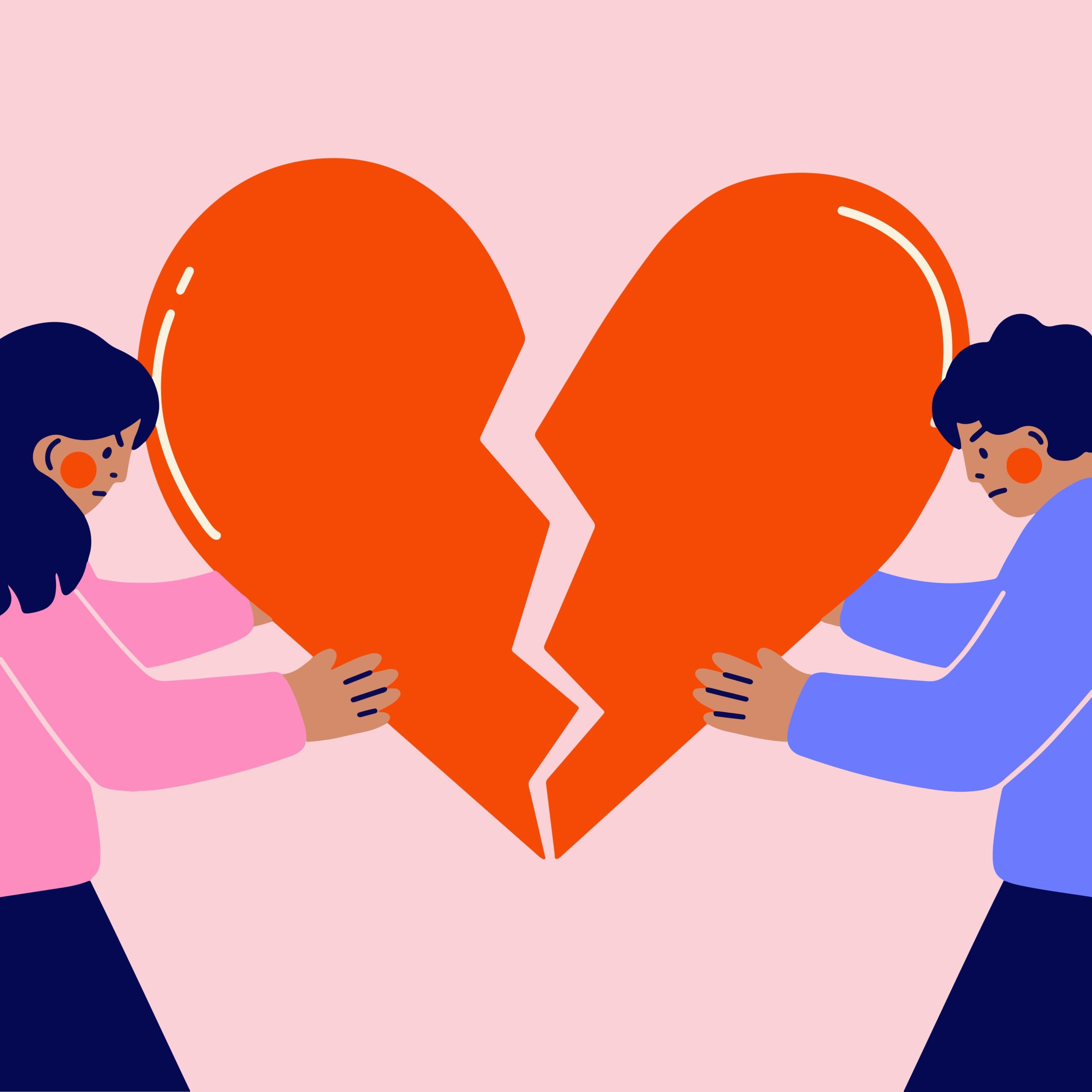
While not always a conscious beacon of attraction, disliking a partner's natural scent can create an insurmountable barrier to physical intimacy. This issue often emerges in marital counseling as a key reason for relationship breakdowns, highlighting smell's powerful, subconscious role in human connection.

Related Insights
Neuroscientist Rachel Herz argues the sense of smell is profoundly undervalued. Its loss warrants massive compensation because the brain regions for smell, emotion, and memory are intertwined. Losing smell can lead to severe depression and a disconnected sense of self, making it far more debilitating than commonly believed.
Relationship satisfaction can be improved with small cognitive shifts called "love hacks." These involve changing one's internal narrative rather than external realities, such as adopting a "growth mindset" about compatibility or reinterpreting a partner's negative behavior more charitably (e.g., as situational rather than characterological).

In intimate relationships, arguing over objective facts is a recipe for disaster. According to therapist Terry Real, "objective reality has no place in intimate relationships." Trying to prove your point with logic ignores your partner's emotional experience and only escalates conflict. Focus on feelings, not facts.

The ability to "smell" an illness, like an ear infection or Parkinson's, is not about detecting a universal "sick" odor. It is about recognizing a change from an individual's unique baseline body scent. This skill, once used by doctors, highlights the importance of familiarity in using scent for diagnostic purposes.
Intense, chaotic, or euphoric feelings in a new relationship are often misinterpreted as deep "chemistry" or love. In reality, this intensity can be a sign that one's nervous system recognizes a familiar, and potentially unhealthy, dynamic from the past. True, safe intimacy is often calmer and less dramatic.

Women value traits like kindness, safety, and love, but these qualities are desired in partners they are already attracted to. Men often mistakenly believe that simply being nicer will create attraction, when in fact attraction must be established first through other means. The positive traits are a requirement for a relationship, not a catalyst for initial desire.

Relationships don't start in earnest until the initial fantasy shatters. This 'crisis of disappointment' happens when partners see each other realistically for the first time, flaws and all. Only after this moment can a genuine connection be built on who the person actually is, rather than on an idealized projection.
Men distinguish between sexual attraction (which inspires 'taking') and charm (which inspires 'giving'). The most charming qualities in a woman are self-confidence, authenticity, passion, and crucially, receptivity—the ability to receive a man’s contributions, which creates a powerful desire for him to provide and protect.
Conflict avoidance is not a sign of a healthy relationship. True intimacy is built through cycles of 'rupture and repair,' where disagreements are used as opportunities for deeper understanding. A relationship without conflict may be fragile, as its ability to repair has never been tested.
Couples in conflict often appear to be poor communicators. However, studies show these same individuals communicate effectively with strangers. The issue isn't a skill deficit, but a toxic emotional environment within the relationship that inhibits their willingness to collaborate.