Get your free personalized podcast brief
We scan new podcasts and send you the top 5 insights daily.
Neuroscientist Rachel Herz argues the sense of smell is profoundly undervalued. Its loss warrants massive compensation because the brain regions for smell, emotion, and memory are intertwined. Losing smell can lead to severe depression and a disconnected sense of self, making it far more debilitating than commonly believed.

Related Insights
For individuals whose symptoms have been repeatedly dismissed, a serious diagnosis can feel like a relief. It provides validation that their suffering is real and offers a concrete problem to address, overriding the initial terror of the illness itself.

While not always a conscious beacon of attraction, disliking a partner's natural scent can create an insurmountable barrier to physical intimacy. This issue often emerges in marital counseling as a key reason for relationship breakdowns, highlighting smell's powerful, subconscious role in human connection.
The ability to "smell" an illness, like an ear infection or Parkinson's, is not about detecting a universal "sick" odor. It is about recognizing a change from an individual's unique baseline body scent. This skill, once used by doctors, highlights the importance of familiarity in using scent for diagnostic purposes.
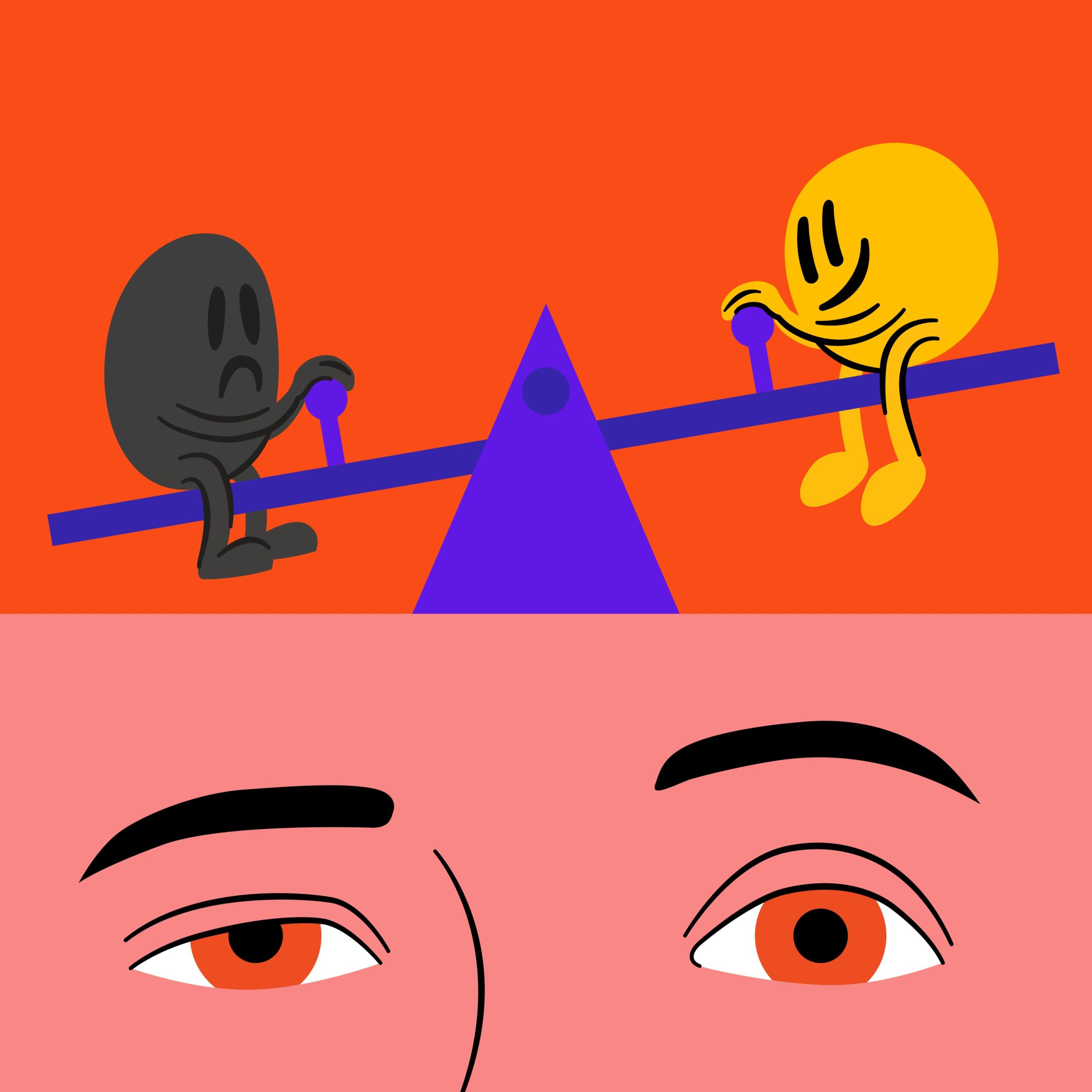
Neuroscience shows pleasure and pain are co-located in the brain and work like a seesaw. When we experience pleasure, the brain immediately compensates by tilting towards pain to restore balance. This neurological 'come down' is why constant pleasure-seeking eventually leads to a state of chronic pain and craving.
Dopamine is often misunderstood as a 'pleasure molecule.' Its more crucial role is in motivation—the drive to seek a reward. Experiments show rats without dopamine receptors enjoy food but won't move to get it, starving to death. This seeking behavior is often triggered by the brain's craving to escape a dopamine deficit state.
Scientific literature suggests humans have between 22 and 33+ physiological senses, including balance, proprioception, and awareness of internal states like bladder fullness. This reframes human potential, suggesting we are capable of perceiving far more than we commonly acknowledge.

Companies like Bath & Body Works are moving beyond visual marketing by infusing physical spaces with signature scents. This "scent-a-gration" leverages the powerful link between smell and memory to create deep, lasting brand associations in high-traffic areas.

Psychiatrist Anna Lemke links rising rates of depression and anxiety in the world's richest nations to the overstimulation of our dopamine pathways. Constant access to high-pleasure foods, entertainment, and products creates a chronic dopamine deficit state, leaving people unhappier, more irritable, and unable to enjoy simple pleasures.
Emotions act as a robust, evolutionarily-programmed value function guiding human decision-making. The absence of this function, as seen in brain damage cases, leads to a breakdown in practical agency. This suggests a similar mechanism may be crucial for creating effective and stable AI agents.

Constantly bombarding our reward pathways causes the brain to permanently weigh down the 'pain' side of its pleasure-pain balance. This alters our baseline mood, or 'hedonic set point,' meaning we eventually need our substance or behavior not to get high, but simply to escape a state of withdrawal and feel normal.