Get your free personalized podcast brief
We scan new podcasts and send you the top 5 insights daily.
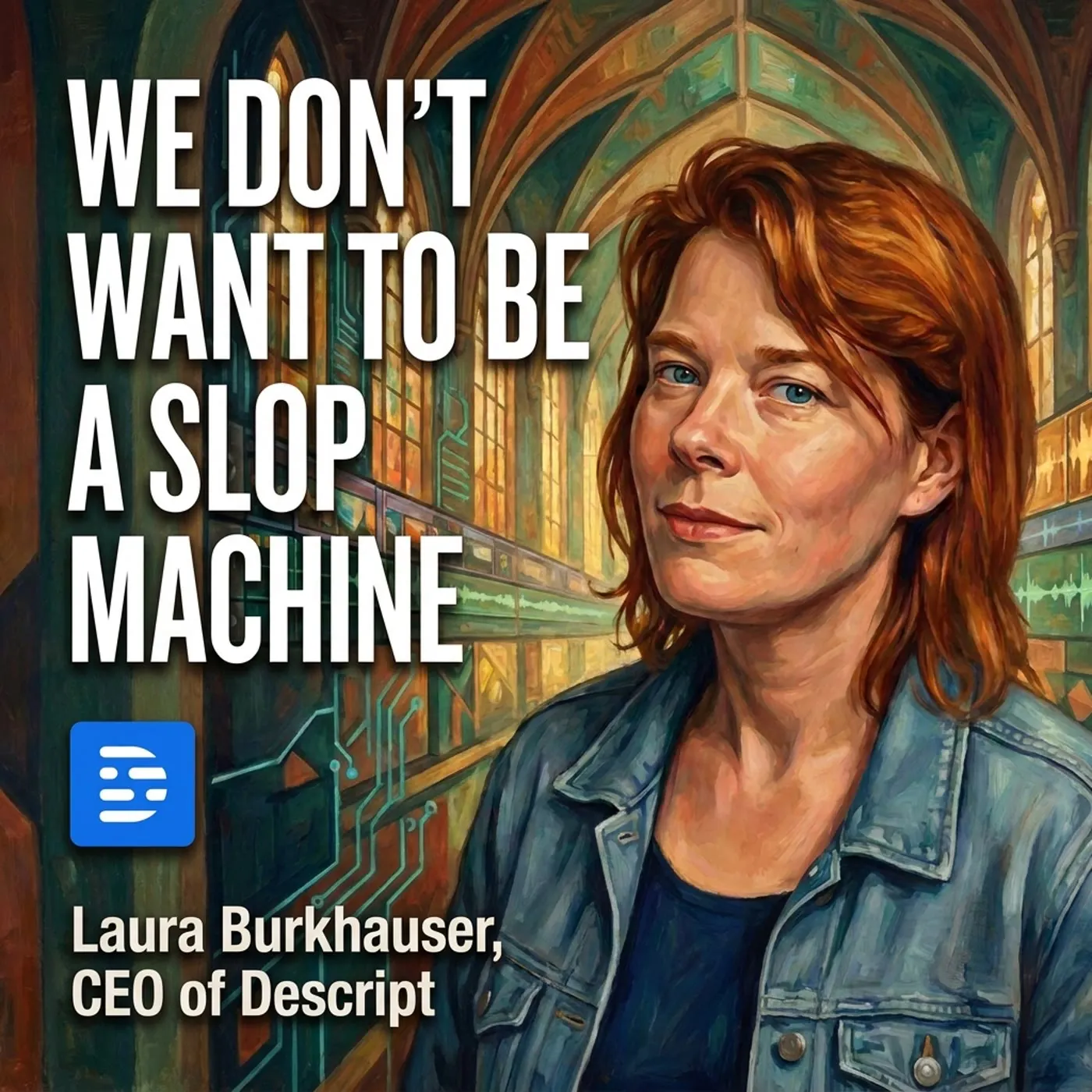
Creators universally love reliable, single-purpose AI tools (e.g., audio enhancement). They're excited but frustrated by agentic editors like co-pilots. However, they express visceral hatred for hyped, unreliable generative video models.
Related Insights
The backlash to Meta's AI video feed "Vibes" stemmed from its impersonal, generic content. This contrasts with ChatGPT's viral "Studio Ghibli" filter, which succeeded by letting users apply an AI aesthetic to their own photos. Successful consumer AI must empower self-expression, not just serve curated assets.

Users despise AI "slop" but admire the "farmer" who creates. This paradox highlights a tension: is an AI content creator still a noble artisan, or just a purveyor of low-quality feed for the masses? The value of "craft" is being re-evaluated.
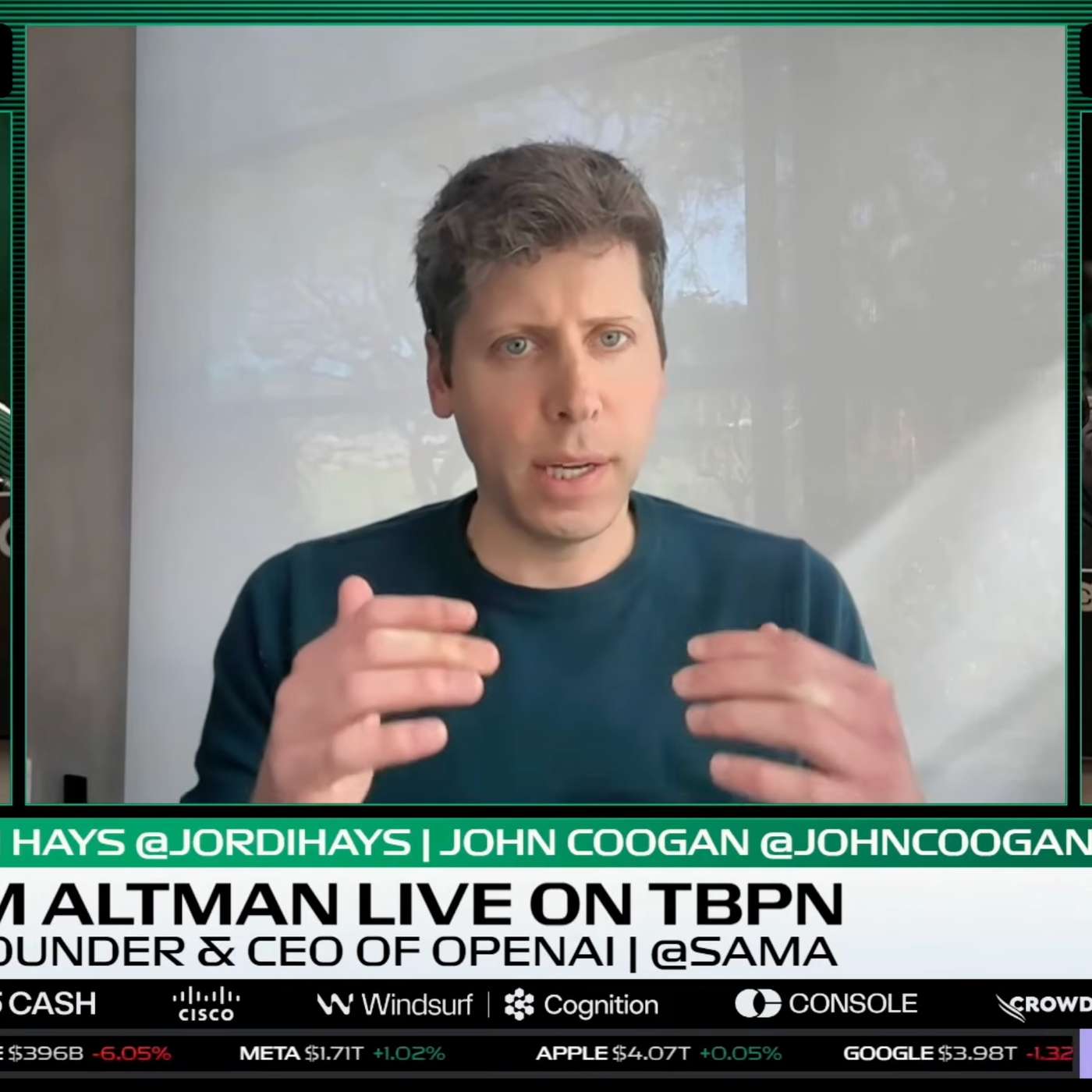
Sam Altman observes an asymmetry in AI-generated media: users love creating personalized content with tools like Sora, but show little interest in consuming AI content made by others. This creator-consumer gap is a key hurdle for generative AI as a mainstream entertainment medium.
Creators view the closure of OpenAI's video tool, Sora, as confirmation that audiences don't want purely AI-generated content platforms. Instead, the market values human creativity that is augmented by AI tools, not replaced by them.

Venture capitalists calling creators "Luddite snooty critics" for their concerns about AI-generated content creates a hostile dynamic that could turn the entire creative industry against AI labs and their investors, hindering adoption.
The hypothesis suggests artists reject generative AI because text-prompt interfaces feel alien compared to traditional tools. If AI tools had interfaces resembling familiar software like Photoshop or NVIDIA Canvas, the critique would likely be framed as purism rather than a fundamental rejection of users as 'non-artists'.

Despite negative polling, individuals who fear the abstract concept of "AI" often simultaneously rely on specific applications like ChatGPT. This highlights a cognitive dissonance where the overarching technology is feared, but its practical tools are valued, suggesting a branding and education problem for the industry.

AI-powered products are booming in Kickstarter's design and tech categories. However, they face significant controversy and negative feedback in gaming, which is more 'artist-forward.' This highlights how AI adoption is not monolithic and is heavily influenced by the cultural values of specific creative communities.

While AI tools excel at generating initial drafts of code or designs, their editing capabilities are poor. The difficulty of making specific changes often forces creators to discard the AI output and start over, as editing is where the "magic" breaks down.

Unlike text or code, video is incredibly fragile. A single recording glitch or rendering artifact can make an entire project useless, destroying user trust instantly. This means perfecting core technical reliability is more critical than adding advanced AI features, because users will not publish flawed content.
