Get your free personalized podcast brief
We scan new podcasts and send you the top 5 insights daily.
The backlash to Meta's AI video feed "Vibes" stemmed from its impersonal, generic content. This contrasts with ChatGPT's viral "Studio Ghibli" filter, which succeeded by letting users apply an AI aesthetic to their own photos. Successful consumer AI must empower self-expression, not just serve curated assets.

Related Insights
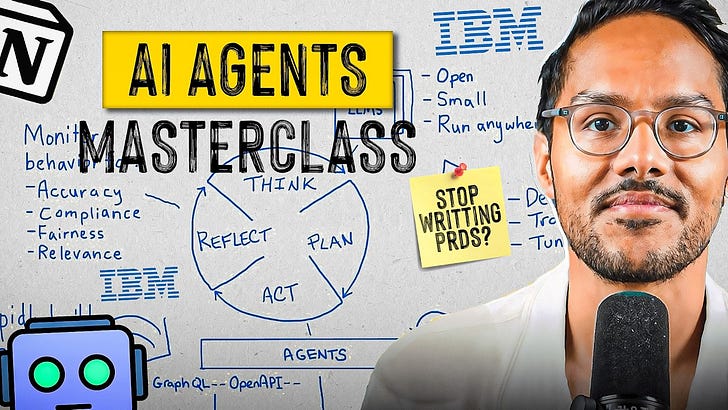
While AI tools once gave creators an edge, they now risk producing democratized, undifferentiated output. IBM's AI VP, who grew to 200k followers, now uses AI less. The new edge is spending more time on unique human thinking and using AI only for initial ideation, not final writing.
Unlike platforms like YouTube that merely host user-uploaded content, new generative AI platforms are directly involved in creating the content themselves. This fundamental shift from distributor to creator introduces a new level of brand and moral responsibility for the platform's output.

Runway's CEO suggests that AI models possess a "personality" shaped by the company's objectives. A model built for ad-driven consumer apps will have a different "taste" and visual style than one designed for professional creative tools, making this implicit quality a key competitive differentiator.

Figma CEO Dylan Field argues that while AI can quickly generate "good enough" results, this baseline is no longer sufficient. As AI floods the market with generic software and designs, true differentiation will come from human-led craft, taste, and pushing beyond the initial AI output.
Users are dissatisfied with purely AI-generated creative outputs like interior design, calling it "slop." This creates an opportunity for platforms that blend AI's efficiency with a human's taste and curation, for which consumers are willing to pay a premium.

Synthesia initially targeted Hollywood with AI dubbing—a "vitamin" for experts. They found a much larger, "house-on-fire" problem by building a platform for the billions of people who couldn't create video at all, democratizing the medium instead of just improving it for existing professionals.

AI video tools like Sora optimize for high production value, but popular internet content often succeeds due to its message and authenticity, not its polish. The assumption that better visuals create better engagement is a risky product bet, as it iterates on an axis that users may not value.
Many users of generative AI tools like Suno and Midjourney are creating content for their own enjoyment, not for professional use. This reveals a 'creation as entertainment' consumer behavior, distinct from the traditional focus on productivity or job displacement.

As AI tools become commoditized, the exponential differentiator for marketing success will be subjective taste. Teams must double down on unscalable, creative elements that AI cannot replicate, as this is what will truly stand out and build a memorable brand.

Meta and OpenAI's same-day launches reveal a strategic split. Meta’s generic AI video feed, "Vibes," was poorly received as "slop." In contrast, OpenAI’s "Pulse" offers personalized, high-utility content, showcasing a superior strategy of personal intelligence over mass-market AI entertainment.