Get your free personalized podcast brief
We scan new podcasts and send you the top 5 insights daily.
AI-powered products are booming in Kickstarter's design and tech categories. However, they face significant controversy and negative feedback in gaming, which is more 'artist-forward.' This highlights how AI adoption is not monolithic and is heavily influenced by the cultural values of specific creative communities.

Related Insights
To counter intense gamer backlash against AI, Razer's CEO strategically repositions the company's investment. He frames AI not as a tool for creating generative content 'slop,' but as a backend solution to improve game quality through better QA and bug squashing.

Users are dissatisfied with purely AI-generated creative outputs like interior design, calling it "slop." This creates an opportunity for platforms that blend AI's efficiency with a human's taste and curation, for which consumers are willing to pay a premium.

Unlike the tech industry's forward-looking nostalgia, Hollywood's culture is rooted in preserving traditional filmmaking processes. This cultural attachment makes the creative community view AI not just as a job threat, but as an unwelcome disruption to the established craft and order, slowing its adoption as a creative tool.

An idea for an AI agent allowing kids to chat with book characters was seen as a differentiator by the builder. However, the target user—an author—immediately rejected it, explaining that the author community views AI as a derogatory concept and would not want an AI speaking for their creations, revealing a critical cultural blindspot.

Creators view the closure of OpenAI's video tool, Sora, as confirmation that audiences don't want purely AI-generated content platforms. Instead, the market values human creativity that is augmented by AI tools, not replaced by them.

Venture capitalists calling creators "Luddite snooty critics" for their concerns about AI-generated content creates a hostile dynamic that could turn the entire creative industry against AI labs and their investors, hindering adoption.
The hypothesis suggests artists reject generative AI because text-prompt interfaces feel alien compared to traditional tools. If AI tools had interfaces resembling familiar software like Photoshop or NVIDIA Canvas, the critique would likely be framed as purism rather than a fundamental rejection of users as 'non-artists'.

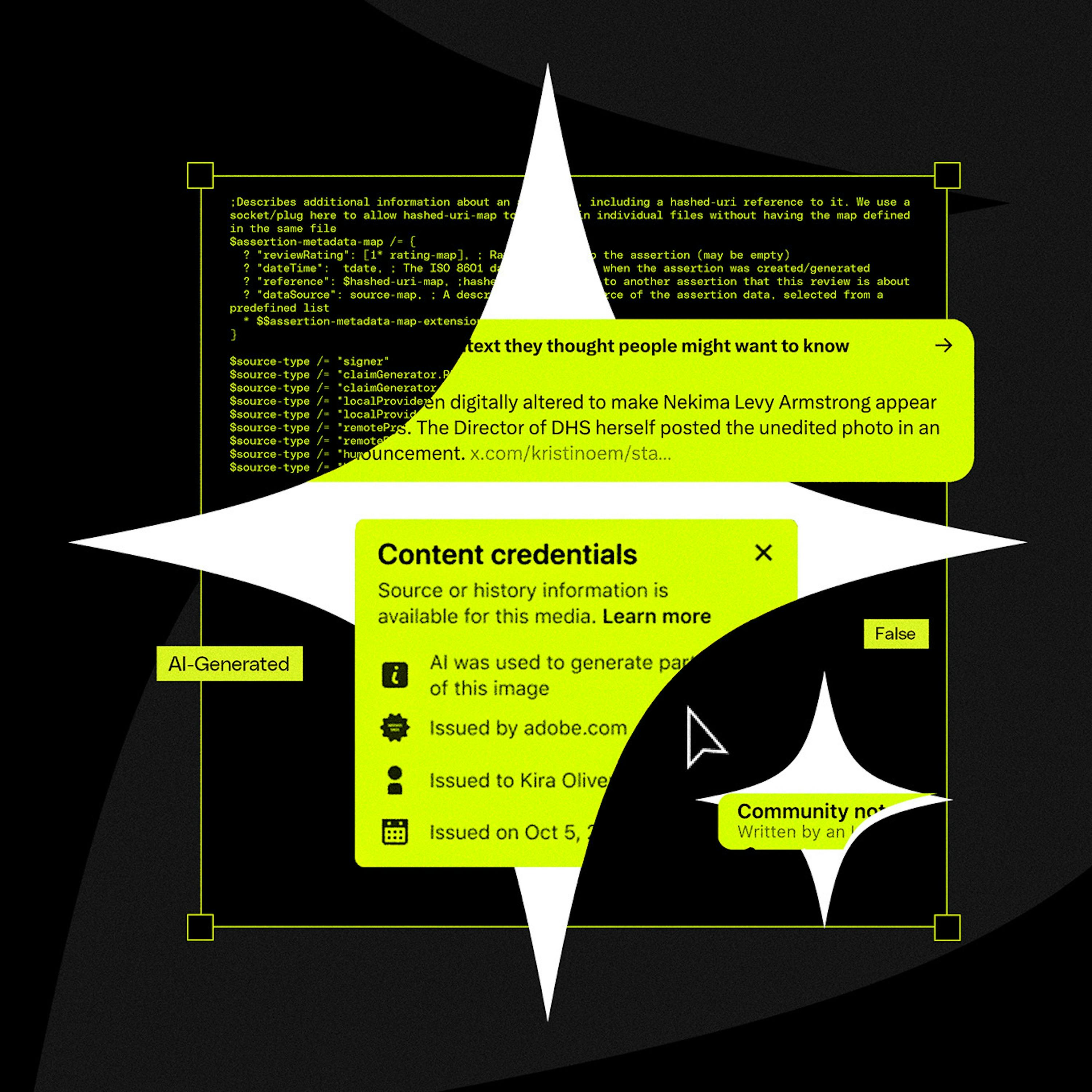
The "AI-generated" label carries a negative connotation of being cheap, efficient, and lacking human creativity. This perception devalues the final product in the eyes of consumers and creators, disincentivizing platforms from implementing labels that would anger their user base and advertisers.
At gaming company NCSoft, a proposal for a data-driven churn prediction model met strong internal resistance from developers and business leaders who claimed the proponent "didn't understand gaming." This highlights that cultural adoption, not just ROI, is often the primary hurdle for AI initiatives.

As AI makes the creation of art "products" nearly free, the economic model for creators may shift away from selling individual units. Instead, a system of patronage, where communities directly fund artists they support, could become dominant again.
