Get your free personalized podcast brief
We scan new podcasts and send you the top 5 insights daily.
A U.S. President wields unparalleled authority to launch military actions abroad without congressional approval. However, they possess virtually no power to dismantle or significantly roll back the entrenched military-industrial complex. Attempting to do so results in being compromised, framed, or politically neutralized.

Related Insights
The Trump administration's strategy for control isn't writing new authoritarian laws, but aggressively using latent executive authority that past administrations ignored. This demonstrates how a democracy's own structures can be turned against it without passing a single new piece of legislation, as seen with the FCC.

The CIA operates under a different legal code (Title XV) than the military (Title X). This allows the President to use the agency to execute executive power without the legal constraints of war that bind the armed forces, effectively creating a "hidden hand" for covert operations.

The US executive branch increasingly initiates military action by citing inherent commander-in-chief powers, sidestepping the constitutional requirement for Congress to declare war. This shift, exemplified by the Venezuela operation, marks a 'third founding' of the American republic where historical checks and balances on war-making are now considered quaint.
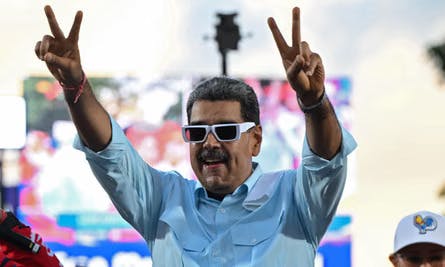
A president who campaigned against 'forever wars' can be trapped by the political need for a clear victory. If a diplomatic off-ramp isn't found quickly, the pressure to escalate increases, ironically risking the very type of prolonged conflict they opposed.
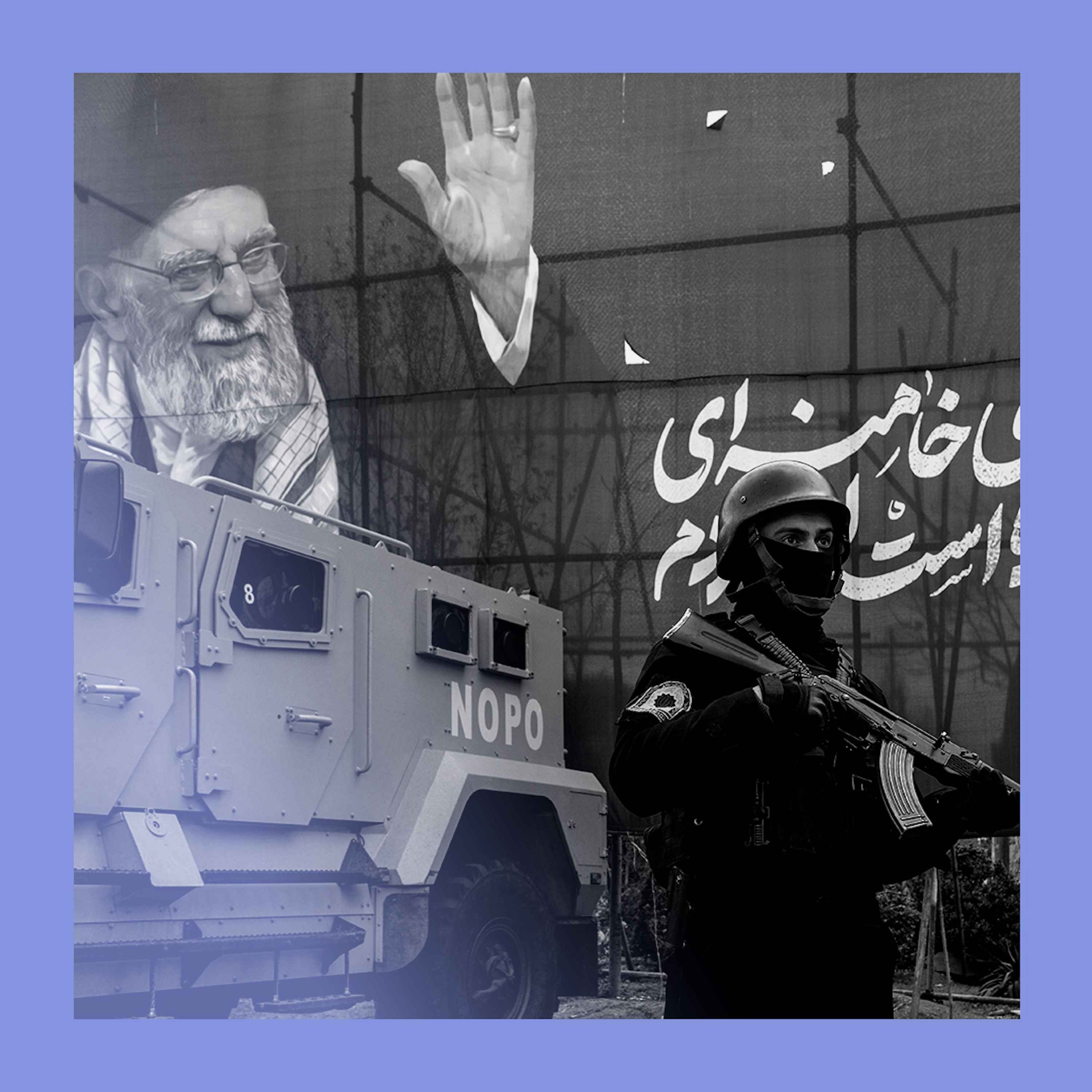
Even when facing severe international backlash, a US president's most controversial foreign policy actions are ultimately limited by unpopularity within their own country and party, which creates significant political and practical consequences that outweigh pressure from allies.
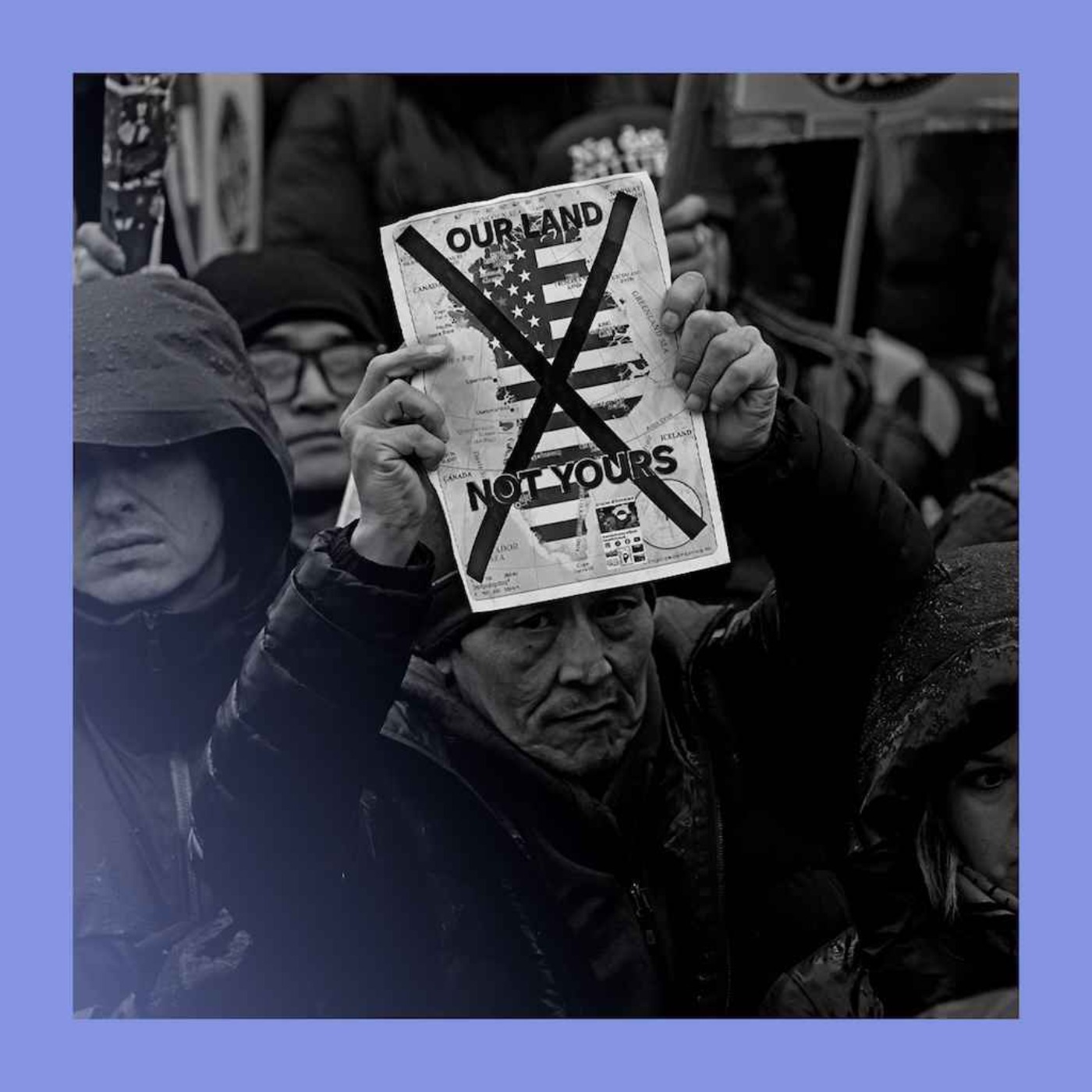
The US has established a precedent of using military force to apprehend fugitives abroad based on domestic legal actions, as seen with Noriega in 1989 and Maduro now. This practice blurs the line between law enforcement and an act of war, creating a thin legal justification for military intervention without traditional congressional or international approval.
Criticisms of a president's 'authoritarian tendencies' often miss the historical context. The concentration of power in the executive branch, or 'imperial presidency,' is a long-standing issue in U.S. politics, dating back to at least FDR and Nixon, and is often exacerbated by a weak and ineffective Congress.

Described as 'sole presidential authority,' this doctrine means the President can decide to launch nuclear weapons alone. This power is not subject to a vote or veto from Congress, the Secretary of Defense, or the Joint Chiefs of Staff, placing immense destructive power in one person's hands.

A president can legally initiate military actions like a blockade without congressional approval by first designating the target regime as a 'Foreign Terrorist Organization.' This provides a separate legal playbook and set of executive powers, circumventing the formal declaration of war process.

Trump's efforts are not just breaking norms but constitute an attempt at a full-blown "political revolution." The goal is to gain direct political control over institutions like the FBI and DOJ, weaponize them against political opponents, and eliminate the checks and balances that constrain presidential power.