Get your free personalized podcast brief
We scan new podcasts and send you the top 5 insights daily.
The political precedent set by the Bush administration—convincing Americans they can have both major wars and tax cuts—has disconnected the public from the true costs of conflict. This mindset makes it easier for governments to enter into tremendously expensive, multi-trillion-dollar quagmires without clear objectives or public accountability for the fiscal trade-offs.

Related Insights
The administration's military objectives are in constant flux, moving from grand goals like regime change and 'obliterating' the enemy to vaguely 'diminishing' them. This signals a lack of a coherent long-term strategy, undermining the mission's credibility and making it impossible to define or achieve victory.
Recent, pointless-seeming wars in Iraq and Afghanistan have created a new version of "Vietnam Syndrome." This public and political aversion to foreign intervention makes it nearly impossible for the US to commit to providing crucial, early support in conflicts where it may be necessary, such as in Ukraine.

A president who campaigned against 'forever wars' can be trapped by the political need for a clear victory. If a diplomatic off-ramp isn't found quickly, the pressure to escalate increases, ironically risking the very type of prolonged conflict they opposed.
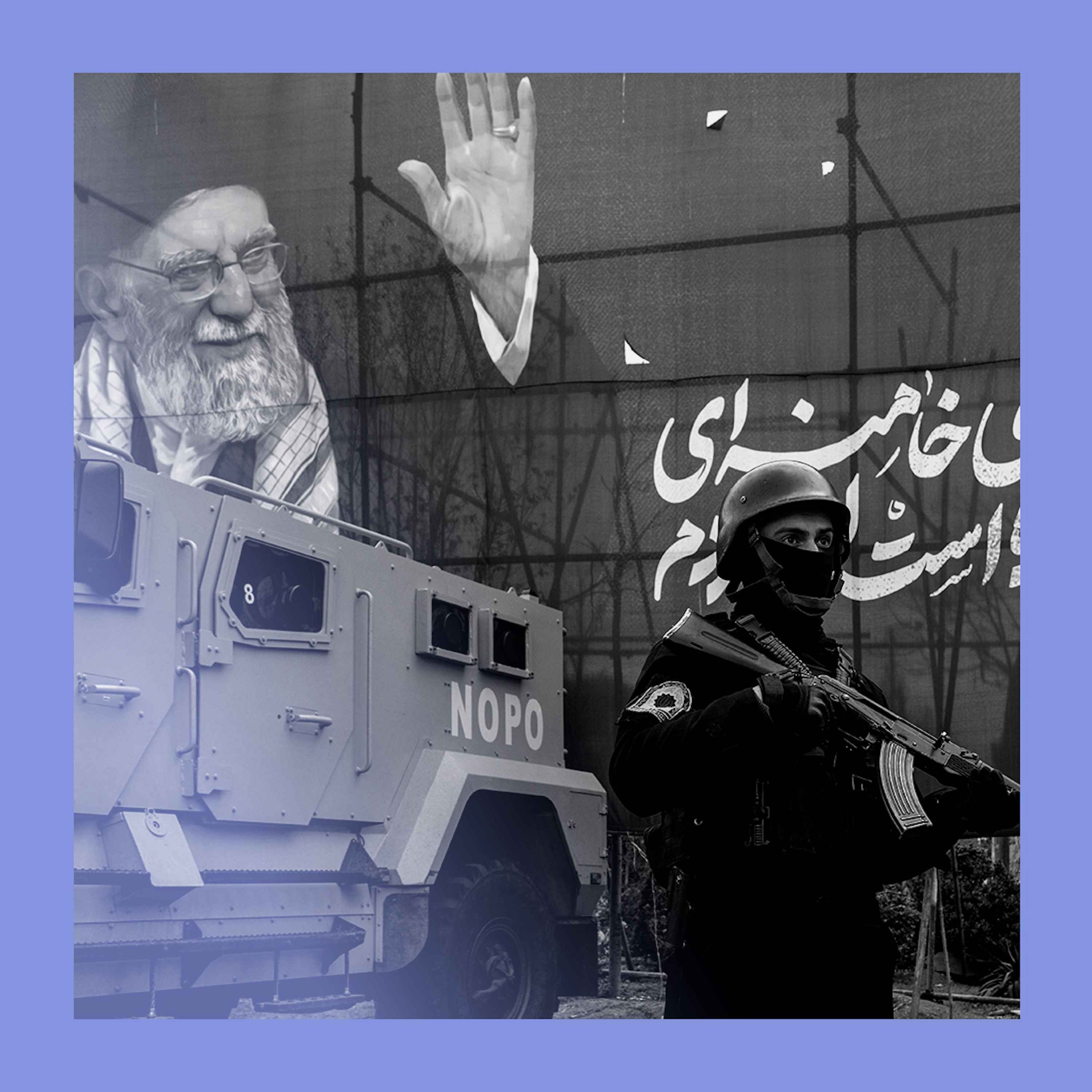
A population can be habituated to war through gradual escalation. By starting with seemingly small, contained "lightning strikes," each subsequent step feels less shocking. This incremental approach can lead a nation into a major conflict without a single decisive moment of public debate or consent.

Unlike wars where a nation is attacked first (e.g., Pearl Harbor), "wars of choice" lack the sustained public support needed for a long conflict. The aggressor has a political weak point, which adversaries exploit to win a war of attrition, not battlefield victories.

When a leader initiates a conflict, an exit that leaves the situation worse than before is politically untenable. This dynamic creates immense pressure to avoid withdrawal and instead escalate involvement, as backing out becomes "political suicide."

Since Vietnam, the public's unwillingness to watch televised atrocities has made total war impossible. Conflicts now devolve into asymmetric battles where the weaker side bleeds the stronger empire until political will at home evaporates, making decisive "victory" a relic of the past.

Nations like the US and USSR prolong involvement in failed conflicts like Afghanistan primarily due to "reputational risk." The goal shifts from achieving the original mission to avoiding the perception of failure, creating an endless commitment where objectives continually morph.

By publicly claiming the war would be quick, easy, and cost-free, President Trump set unrealistic expectations. When the conflict proved more complex, this initial messaging backfired, eroding the public patience necessary to sustain the campaign—a communications failure of his own making.
A critical political challenge is convincing citizens to accept necessary domestic budget cuts while simultaneously funding international alliances. The message fails when people already feel financially strained, making fiscal responsibility and global power projection seem mutually exclusive and out of touch.
