Get your free personalized podcast brief
We scan new podcasts and send you the top 5 insights daily.
This framework defines anxiety and depression by their relationship to loss. Depression is an emotional state consumed by losses that have already happened, while anxiety is a state consumed by potential losses that may never occur. Both conditions are fundamentally rooted in the experience of loss.

Related Insights
Regret traps you in a cycle of reliving past mistakes without changing the outcome, similar to how worry focuses on an uncontrollable future. Reflection, however, is an objective debrief of the past to extract lessons, gain clarity, and inform future actions for growth.

We experience every event three times: in anticipation, in the actual moment, and in memory. The key to managing anxiety about the future and regret about the past is to keep these three "trips" distinct. This framework encourages being fully present in the current moment, which is the only one you control.

Neuroscientist Lachlan Kent describes depression not as a metaphor for feeling 'down,' but as a neurological process called 'graviception' that alters our perception of gravity. It makes the world feel slower, smaller, and physically heavier, akin to an emotional black hole.
Psychologists can predict the severity of a person's depressive and anxious symptoms not by the content of their trauma, but by the form of their narrative. Recurring, stuck narratives, or what is called the "same old story," correlate with poorer mental health outcomes.
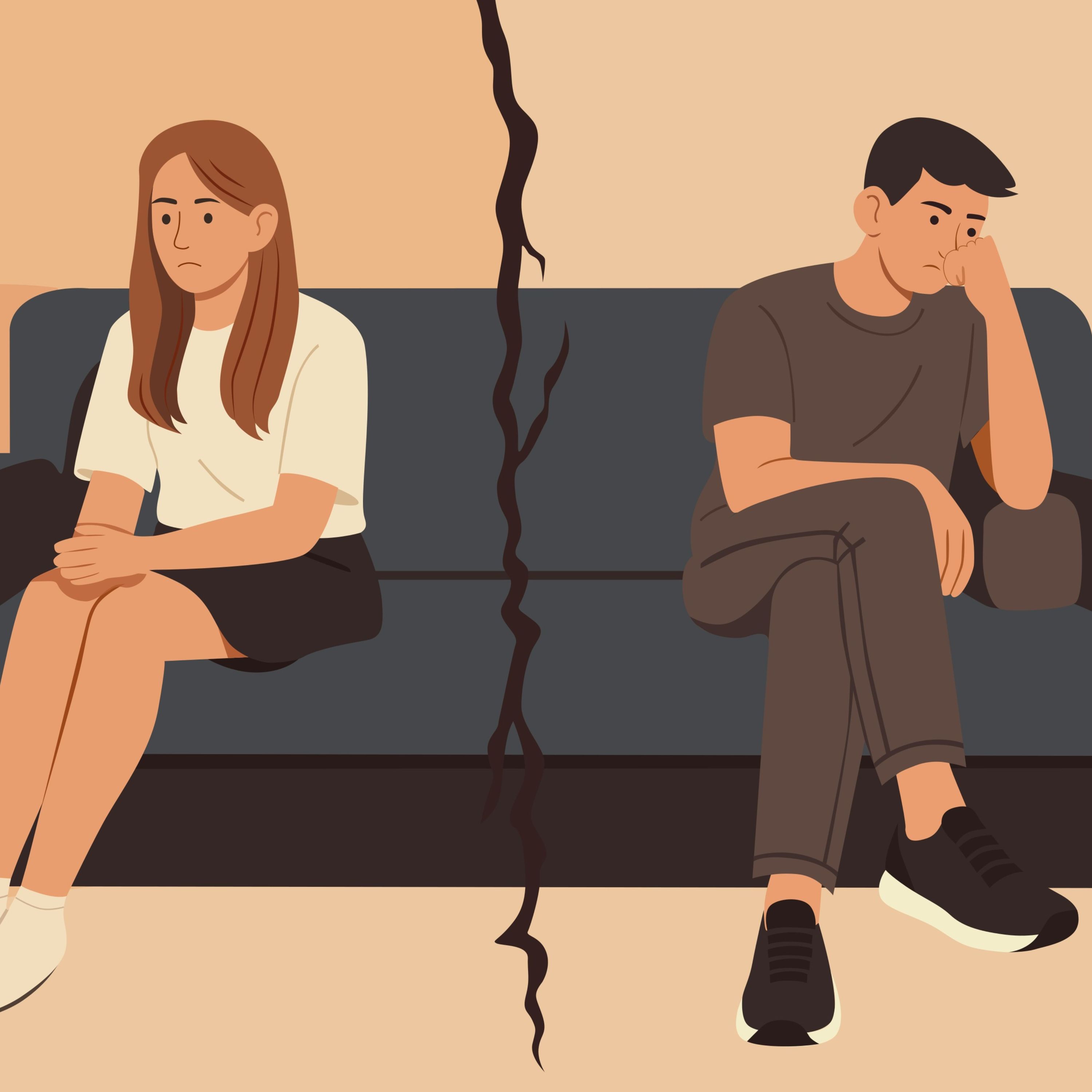
A structured exercise for unpacking grief involves making three lists: 1) the good things you've lost, 2) the bad things you no longer have to tolerate, and 3) the unrealized future hopes and dreams. This provides a complete emotional accounting of the loss.
The term "depression" is a misleading catch-all. Two people diagnosed with it can have completely opposite symptoms, such as oversleeping versus insomnia or overeating versus appetite loss. These are not points on a spectrum but discrete experiences, and lumping them together hinders effective, personalized treatment.
Anxiety isn't just fear; it's the feeling of separating from your own capacity to handle what's to come. The solution is not to eliminate uncertainty but to stop the 'what if' spiral and reconnect with the core truth: through your attitude and actions, you can handle whatever happens, even if it's terrible.

We often assume our thoughts cause our feelings. However, the body frequently experiences a physical state first (e.g., anxiety from adrenaline), and the conscious mind then creates a plausible narrative to explain that feeling. This means the "reason" you feel anxious or unmotivated may be a story, not the root physical cause.

Anxiety spikes when you mentally separate from your own capacity to handle future challenges. Instead of focusing on uncontrollable 'what ifs,' the antidote is to reconnect with your agency and ability to respond, regardless of the outcome. Doubling down on your capacity to handle things quiets the alarm.
The brain maintains a pain-pleasure balance. Constantly triggering pleasure (dopamine) causes the brain to overcompensate by activating pain pathways, leading to a chronic dopamine-deficient state that manifests as anxiety, irritability, and depression.