Get your free personalized podcast brief
We scan new podcasts and send you the top 5 insights daily.
Neuroscientist Lachlan Kent describes depression not as a metaphor for feeling 'down,' but as a neurological process called 'graviception' that alters our perception of gravity. It makes the world feel slower, smaller, and physically heavier, akin to an emotional black hole.

Related Insights
The 'butterflies' in your stomach are not just a metaphor; they are signals from an ancient G-force accelerometer in the gut. This system activates during moments of physical instability, like a fall, and emotional vulnerability, like falling in love, serving as a primal alarm for both.
Over 95% of the body's serotonin originates in the gut, not the brain. Its primary role is not just mood regulation but managing gravity's physical toll by stabilizing blood pressure when standing, coordinating muscles for balance, and supporting lymphatic flow, making it a key 'gravity management molecule.'
Psychiatrist Anna Lemke links rising rates of depression and anxiety in the world's richest nations to the overstimulation of our dopamine pathways. Constant access to high-pleasure foods, entertainment, and products creates a chronic dopamine deficit state, leaving people unhappier, more irritable, and unable to enjoy simple pleasures.
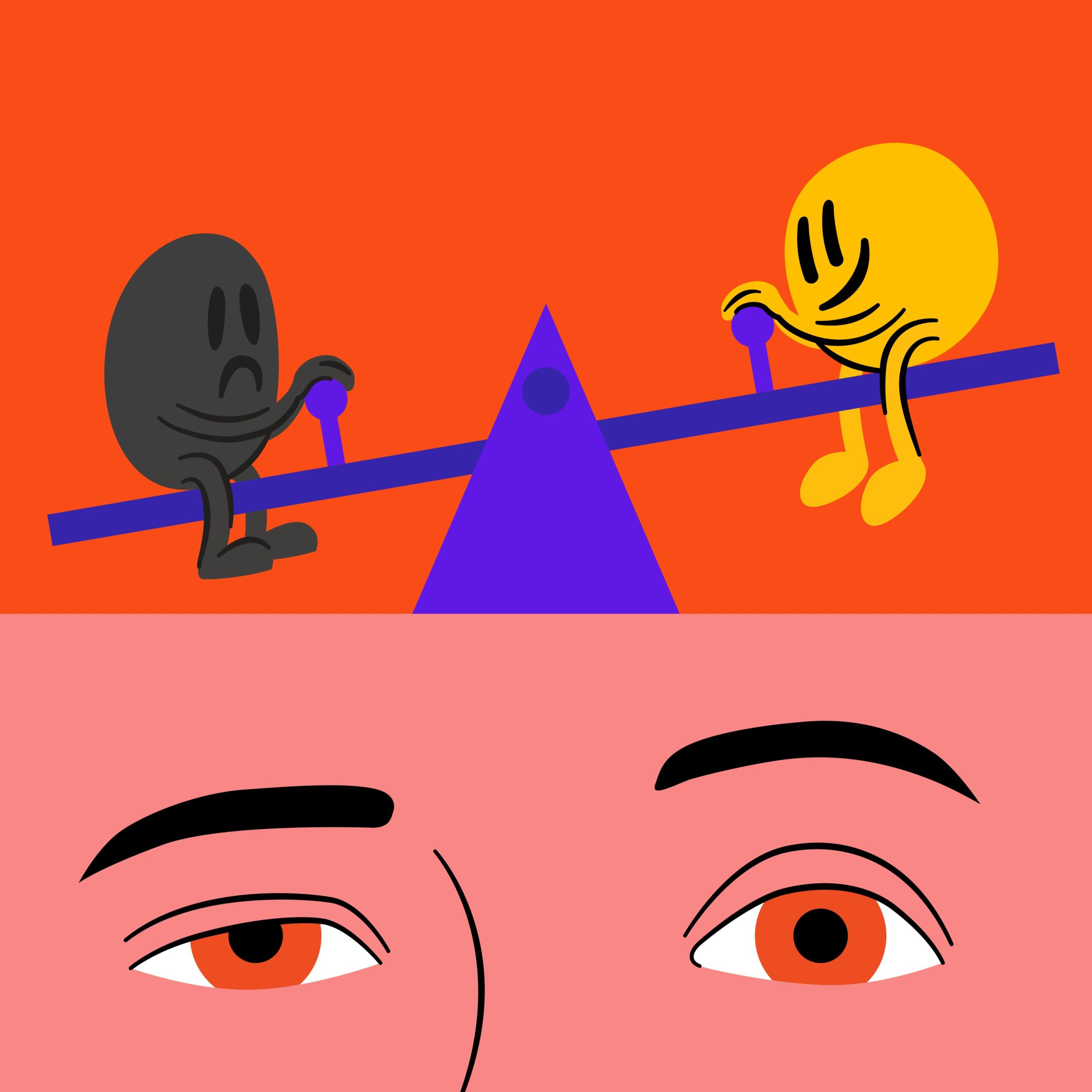
Negative self-talk is not just a fleeting thought; it's a destructive habit with physical consequences. According to UCLA neuroscience research, repetitive negative thinking actively strengthens the neural pathways for fear and anxiety, making it your brain's default response over time.

When you suppress an emotion, you physically jam an energetic pattern into your body. Over time, this creates tight, compressed areas—'lock boxes'—that can lead to chronic pain, postural issues, and shallow breathing. This physical blockage also disconnects you from your body, trapping you in your mind.
