Get your free personalized podcast brief
We scan new podcasts and send you the top 5 insights daily.
The term "depression" is a misleading catch-all. Two people diagnosed with it can have completely opposite symptoms, such as oversleeping versus insomnia or overeating versus appetite loss. These are not points on a spectrum but discrete experiences, and lumping them together hinders effective, personalized treatment.

Related Insights
While lifestyle changes like diet and exercise are effective for mental health, their utility is primarily preventative. During an acute depressive episode, a person often lacks the motivation to implement them. Framing these interventions as a way to maintain stability during periods of wellness is a more realistic and sustainable approach.
In its rush for the next breakthrough, the field of psychiatry often discards older, effective treatments due to historical stigma. For instance, MAO inhibitors and modern, safer Electroconvulsive Therapy (ECT) are highly effective for specific depression types but are underutilized because of past negative associations, a phenomenon driven more by politics than science.
While increased awareness is positive, mental health terminology is often misused as a shield. People can use labels to deflect responsibility, expecting empathy without accountability, which complicates professional and personal development.

For individuals whose symptoms have been repeatedly dismissed, a serious diagnosis can feel like a relief. It provides validation that their suffering is real and offers a concrete problem to address, overriding the initial terror of the illness itself.

Doctors are often trained to interpret symptoms arising after stopping psychiatric medication as a relapse of the original condition. However, these are frequently withdrawal symptoms. This common misdiagnosis leads to a cycle of re-prescription and prevents proper discontinuation support.
Instead of medicating or ignoring symptoms like fatigue or mood swings, view them as your body's way of signaling an underlying issue. By treating symptoms as messages, you can focus on the root cause (like glucose spikes), which makes the 'messages' disappear.

The history of depression treatment shows a recurring pattern: a new therapy (from psychoanalysis to Prozac) is overhyped as a cure-all, only for disappointment to set in as its limitations and side effects become clear. This cycle of idealization then devaluation prevents a realistic assessment of a treatment's specific uses and downsides.
Psychiatrist Anna Lemke links rising rates of depression and anxiety in the world's richest nations to the overstimulation of our dopamine pathways. Constant access to high-pleasure foods, entertainment, and products creates a chronic dopamine deficit state, leaving people unhappier, more irritable, and unable to enjoy simple pleasures.
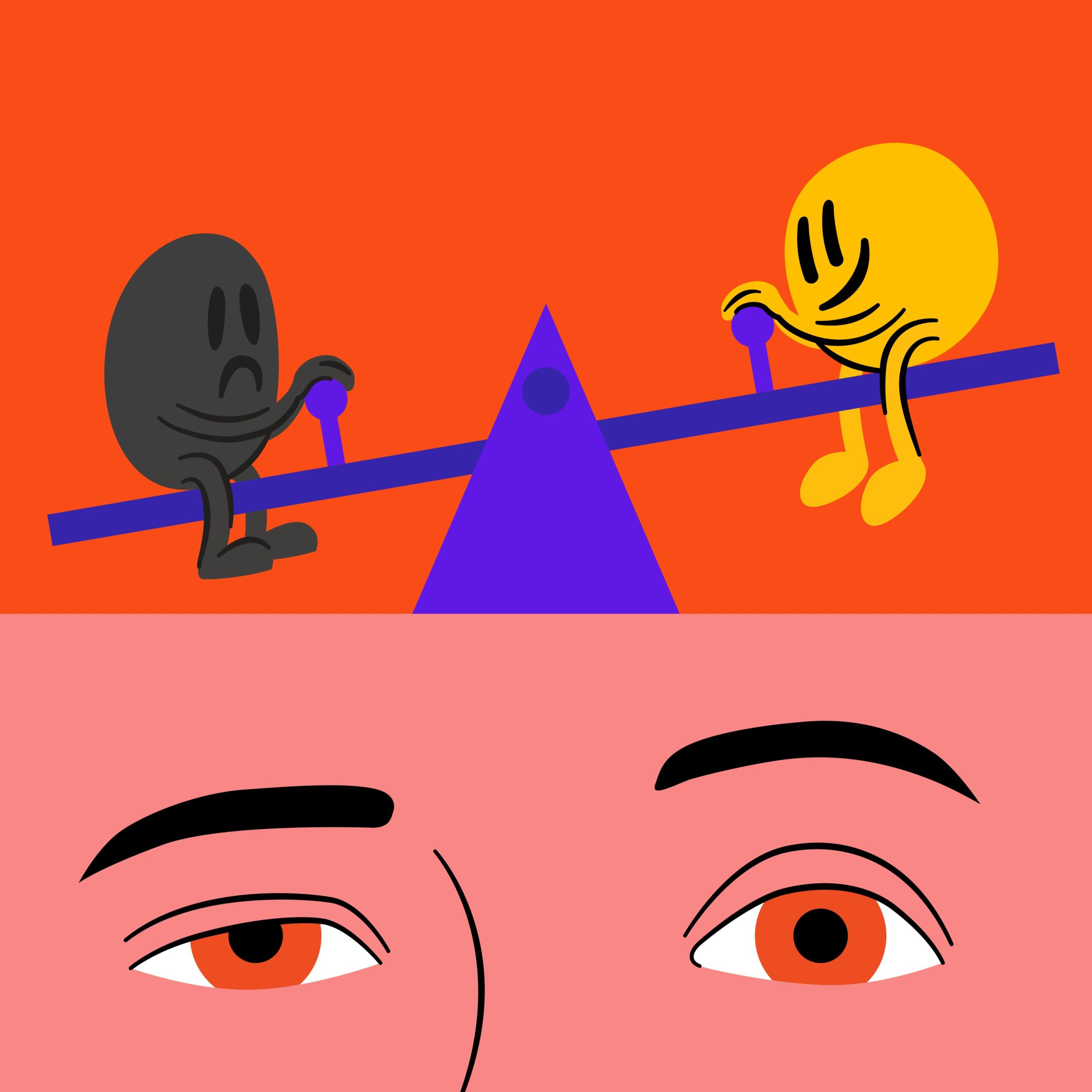
Psychologists can predict the severity of a person's depressive and anxious symptoms not by the content of their trauma, but by the form of their narrative. Recurring, stuck narratives, or what is called the "same old story," correlate with poorer mental health outcomes.
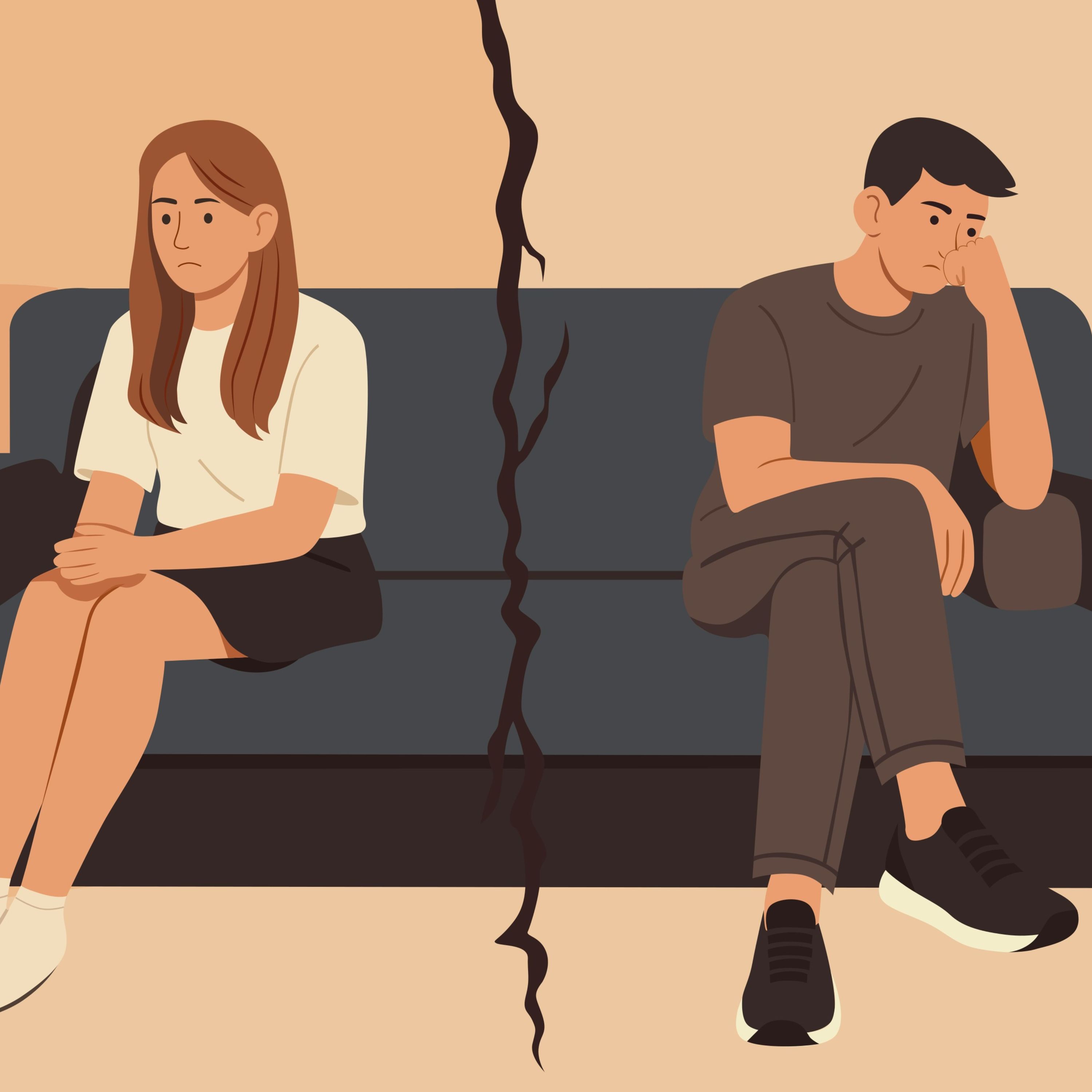
Social inequalities are a major risk factor for depression, making it a political problem. However, this is not a reason to deny medical treatment. Like other diseases of inequality such as AIDS or COVID-19, individuals need medical help now and cannot wait for underlying societal issues to be resolved.