Get your free personalized podcast brief
We scan new podcasts and send you the top 5 insights daily.
The UK government's knife crime plan focuses on policing transit routes like train lines, assuming a centralized 'city-to-town' drug model. However, gangs have already decentralized to local hubs, meaning policy and resources are misaligned with the current operational reality of organized crime.

Related Insights
When cities stop prosecuting crimes like shoplifting under the assumption it's driven by poverty, they inadvertently create a lucrative market for organized crime. Sophisticated gangs exploit this leniency to run large-scale theft operations, harming the community more than the original policy intended to help.

Contrary to popular perception, violent crime is falling in UK cities but rising in rural counties. This is driven by the evolution of the 'county lines' drug model, where urban gangs now establish local, semi-autonomous hubs rather than just ferrying drugs from the city.
The argument that lowering the age of criminal responsibility deters gangs is flawed. Evidence from Britain, which has a low age of 10, shows gangs simply adapt by recruiting children as young as seven. This policy creates a "race to the bottom" rather than solving the root problem.

To circumvent increased scrutiny on direct routes from South America, cartels ship cocaine in bulk to West African nations with lax enforcement. There, drugs are repackaged and transferred at sea from large "mother vessels" to small, fast boats that make final deliveries to Europe, often bypassing major ports entirely.
The "kingpin strategy" of targeting cartel leaders can be counterproductive. Removing a strong leader like El Mencho, who maintained vertical control, often leads to the cartel's fragmentation. This results in violent internecine conflicts as factions vie for power, ultimately increasing overall violence in the region.
Unlike in tech or medicine where proximity is key, justice policymakers often create laws without being close to those experiencing injustice. This distance leads them to punish abstract 'crimes' instead of people, resulting in cruel punishments that ignore human complexity.

Mexico's progress against crime is highly localized. While states like Zacatecas see murder rates fall steeply due to methodical police reform, others like Sinaloa remain nightmarish 'war zones' controlled by cartels. This demonstrates that national-level policies do not produce uniform results on the ground.
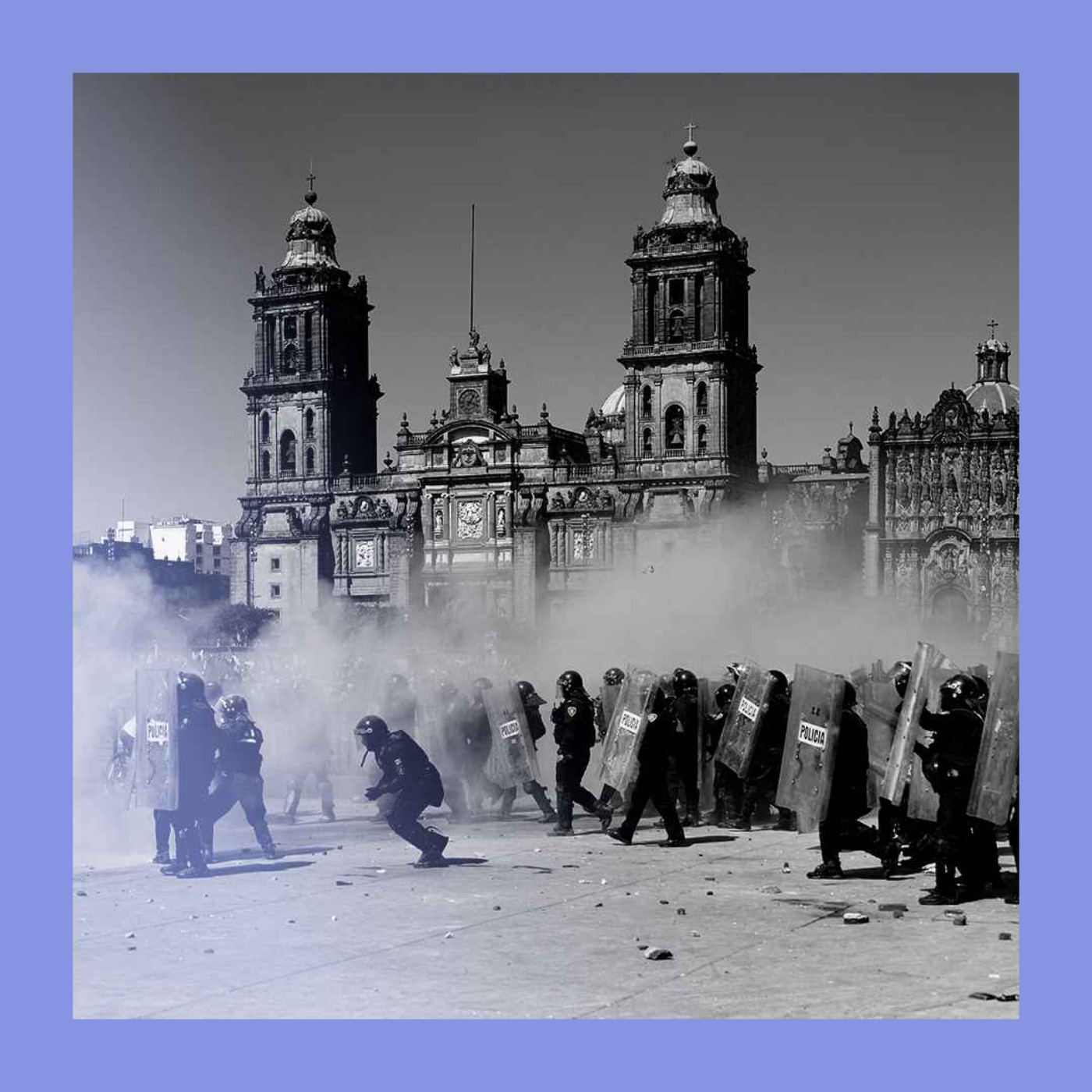
Drug trafficking has shifted from vertically integrated cartels to a fluid network of specialized subcontractors. This model, similar to tech manufacturing, makes the supply chain more resilient to disruption and fosters innovation in cultivation, smuggling, and money laundering, making it harder for law enforcement to disrupt.

The nature of cartel violence in Mexico has shifted from traditional drug wars to battles for local economic power. Cartels are deeply integrated into the economy and government, competing for diversified revenue streams like fuel theft, extortion, and control over local supply chains.

Baltimore's experience directly refutes the "tough on crime" theory that equates more arrests with less crime. The city saw homicides drop from 278 to 133 while annual arrests plummeted from 91,000 to 17,000. This demonstrates that a targeted approach, focusing on *who* is arrested, is far more effective than mass arrests.
