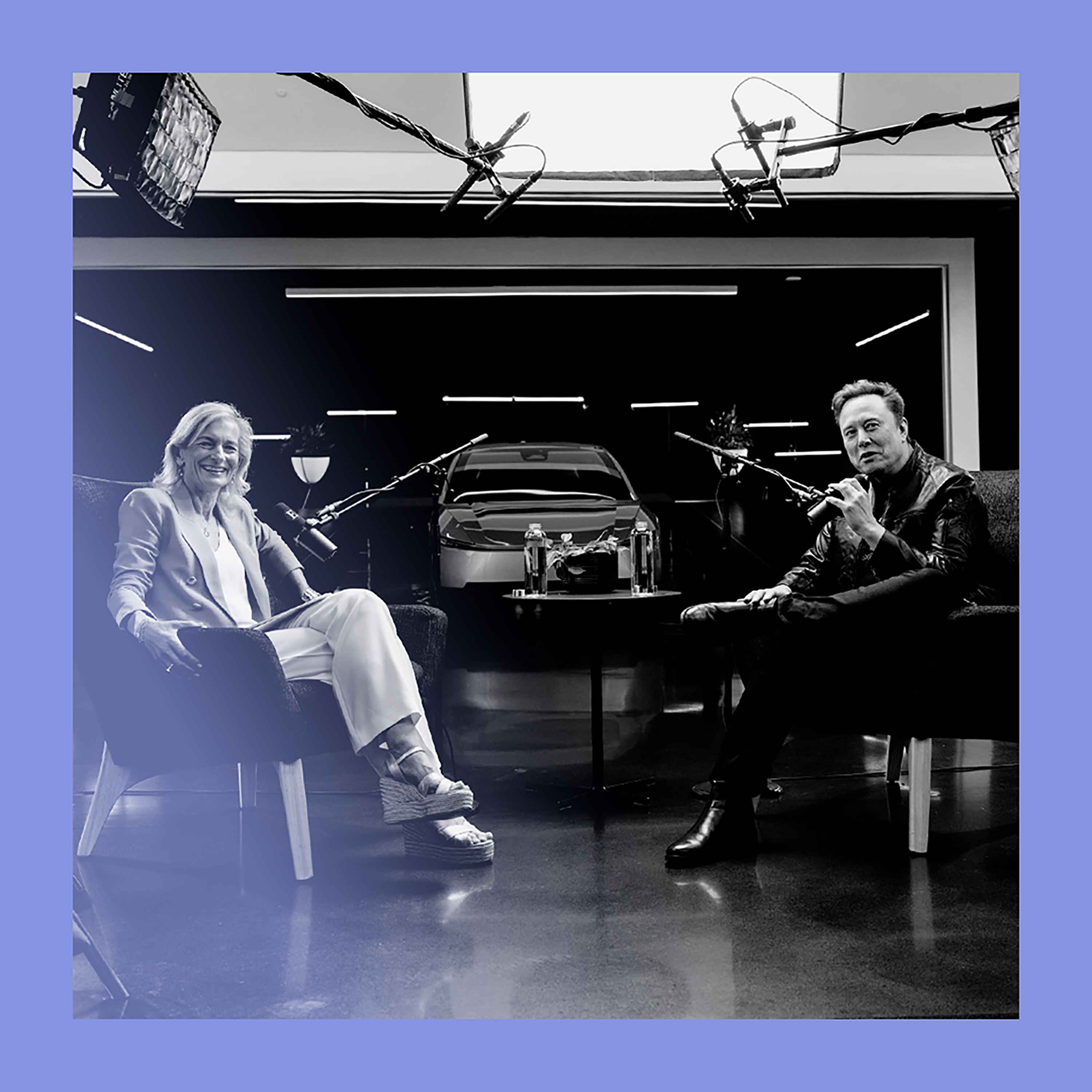
The interview highlights a stark contradiction in Musk's thinking. While he envisions a future of technological abundance driven by AI, his perspective on current events, particularly in Europe, is described as dark, angry, and based on misinformation, creating a jarring dichotomy.
Once deeply concerned about AI's existential risk—comparing humanity's best-case scenario to being "pet Labradors"—Musk now expresses a philosophical resignation. He believes AI's momentum is unstoppable and that humanity's best option is to embrace it and try to shape it positively.
The interview suggests a grand, unified vision connecting Musk's major companies. Tesla's humanoid robots are intended to be the "physical instantiation" of AI intelligence, while SpaceX will provide massive "orbital data centers" for compute capacity, creating a symbiotic hardware ecosystem for a future AI.
Amidst complex discussions about AI alignment, Musk's most immediate and actionable safety proposal is surprisingly simple: have the leaders of the top AI companies hold a regular call to discuss safety and security issues. He suggests this should happen "immediately," despite personal rivalries.
The argument that lowering the age of criminal responsibility deters gangs is flawed. Evidence from Britain, which has a low age of 10, shows gangs simply adapt by recruiting children as young as seven. This policy creates a "race to the bottom" rather than solving the root problem.
Mona Khalil created a self-sustaining model for environmental activism. After discovering a turtle nesting site, she converted her dilapidated family beach house into a bed and breakfast. This social enterprise provided funds and a platform to educate volunteers and advocate for habitat protection.