Get your free personalized podcast brief
We scan new podcasts and send you the top 5 insights daily.
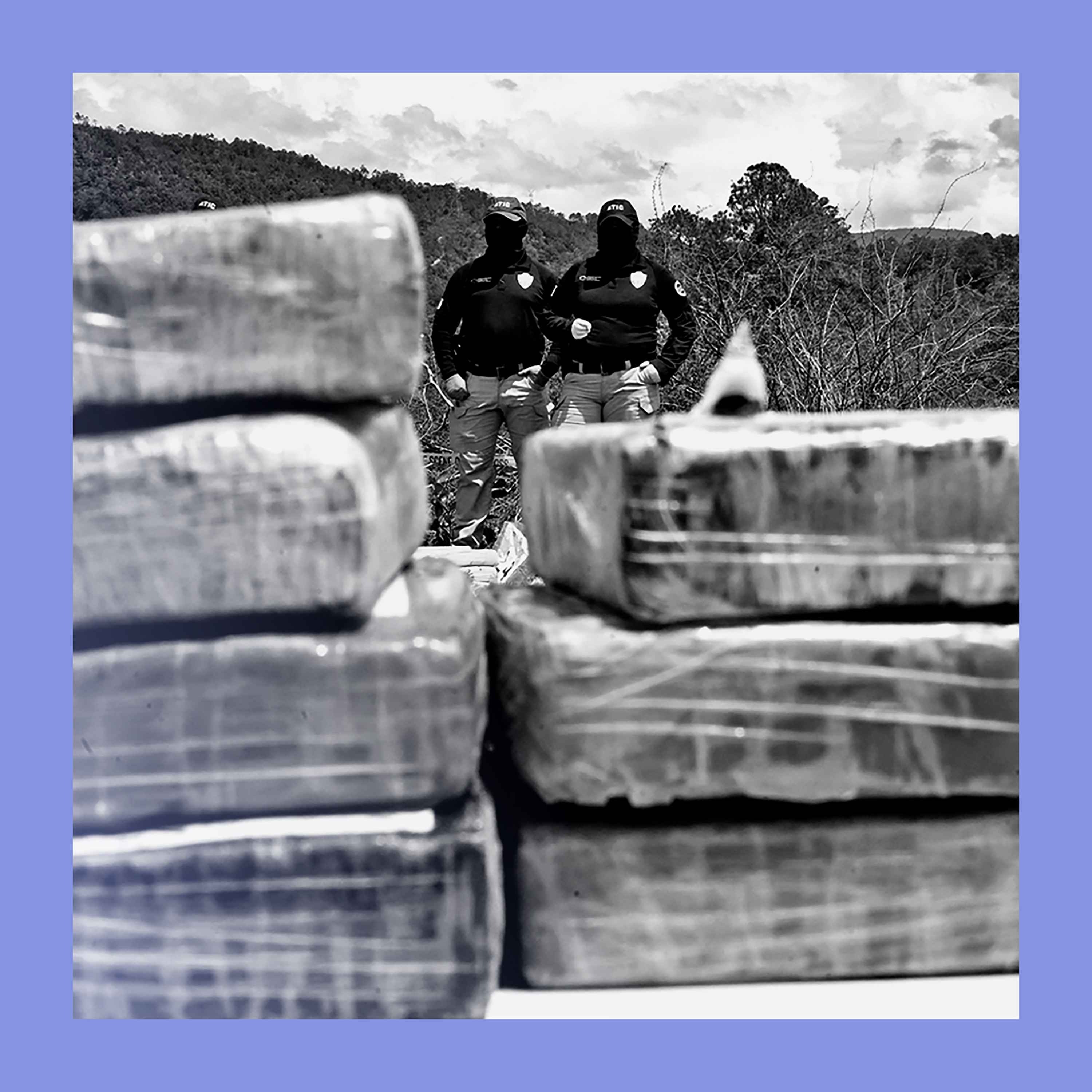
To circumvent increased scrutiny on direct routes from South America, cartels ship cocaine in bulk to West African nations with lax enforcement. There, drugs are repackaged and transferred at sea from large "mother vessels" to small, fast boats that make final deliveries to Europe, often bypassing major ports entirely.

Related Insights
Organized crime in Latin America is evolving as drug gangs diversify their portfolios into human trafficking. They repurpose existing infrastructure, such as corrupt official contacts and money laundering networks built for the cocaine trade, to run these new operations. This strategic shift has turned previously separate criminal networks into interconnected 'best friends.'
Instead of shipping finished cocaine, traffickers now export an intermediate product, "coca base," to Europe for final processing in local labs. This "narco nearshoring" strategy mirrors legitimate commodity export models, shifting risk and transforming Latin America into a raw material supplier for a European-finished product.
Major container lines will divert entire fleets on longer, more expensive routes around continents based solely on the threat of attack, as seen with the Houthis in the Red Sea. The perception of risk, not just the occurrence of incidents, is a primary driver of costly, system-wide disruptions in logistics.

A novel form of organized crime involves gangs buying small, established freight forwarding businesses. They leverage the company's legitimate reputation to take possession of high-value shipping containers, steal the goods, and then promptly shut down the business and disappear, making the crime nearly untraceable.

While the Colombian government touts a significant increase in cocaine interceptions as a success, the sheer volume of these seizures actually points to an unprecedented surge in production, which is at a record high.
While US cocaine consumption has flattened, European demand has surged by 60% in a decade, making it the world's largest market. Traffickers are chasing higher wholesale prices in Europe and especially Australia, where a kilo can fetch over eight times the US price, fundamentally reshaping global smuggling routes.
Organized crime has evolved from simple theft to complex corporate schemes. One group purchased a legitimate freight brokerage, used it to win contracts, loaded trucks with $7 million of product in a single day, and then dissolved the company, showcasing a new level of criminal sophistication.

An FBI agent's memoir reveals that a cartel's linchpin is not the smuggler but the business-savvy launderer. These white-collar professionals devise complex schemes, like trading drug money for legitimate goods like cigarettes, to make illicit profits usable. This financial engineering is the most vital part of the operation.

Drug trafficking has shifted from vertically integrated cartels to a fluid network of specialized subcontractors. This model, similar to tech manufacturing, makes the supply chain more resilient to disruption and fosters innovation in cultivation, smuggling, and money laundering, making it harder for law enforcement to disrupt.
The cocaine trade is so profitable that even the seizure of shipments worth hundreds of millions of dollars is considered an acceptable "cost of doing business." This economic reality means that occasional law enforcement victories in under-resourced West African nations have little deterrent effect on the overall trafficking operation.