Get your free personalized podcast brief
We scan new podcasts and send you the top 5 insights daily.
The targeted Iranian supreme leader had issued two religious edicts (fatwas) against developing nuclear weapons. His assassination removed this key restraint and installed his more aggressive son, who has not issued similar edicts, thereby inadvertently accelerating the nuclear threat.

Related Insights
Constant military pressure and assassinations remove any disincentive for Iran to pursue nuclear weapons. When a regime is already being attacked, acquiring a nuclear deterrent becomes its most logical and effective path to survival, mirroring North Korea's strategy.
Iran is at a critical inflection point as its aging and ill Supreme Leader, Ayatollah Khamenei, has no clear successor. The constitutional requirements for the role were tailored specifically for his predecessor, Khomeini. With no one in the wings who meets the criteria, the country faces significant instability upon his death.

The bombing campaign, aimed at regime change, could be counterproductive. Prior to the conflict, Iran's regime was seen as unpopular and frail, potentially heading for collapse or moderation. The external attack risks creating a rally-round-the-flag effect, allowing the regime to consolidate power where mere survival becomes a victory.
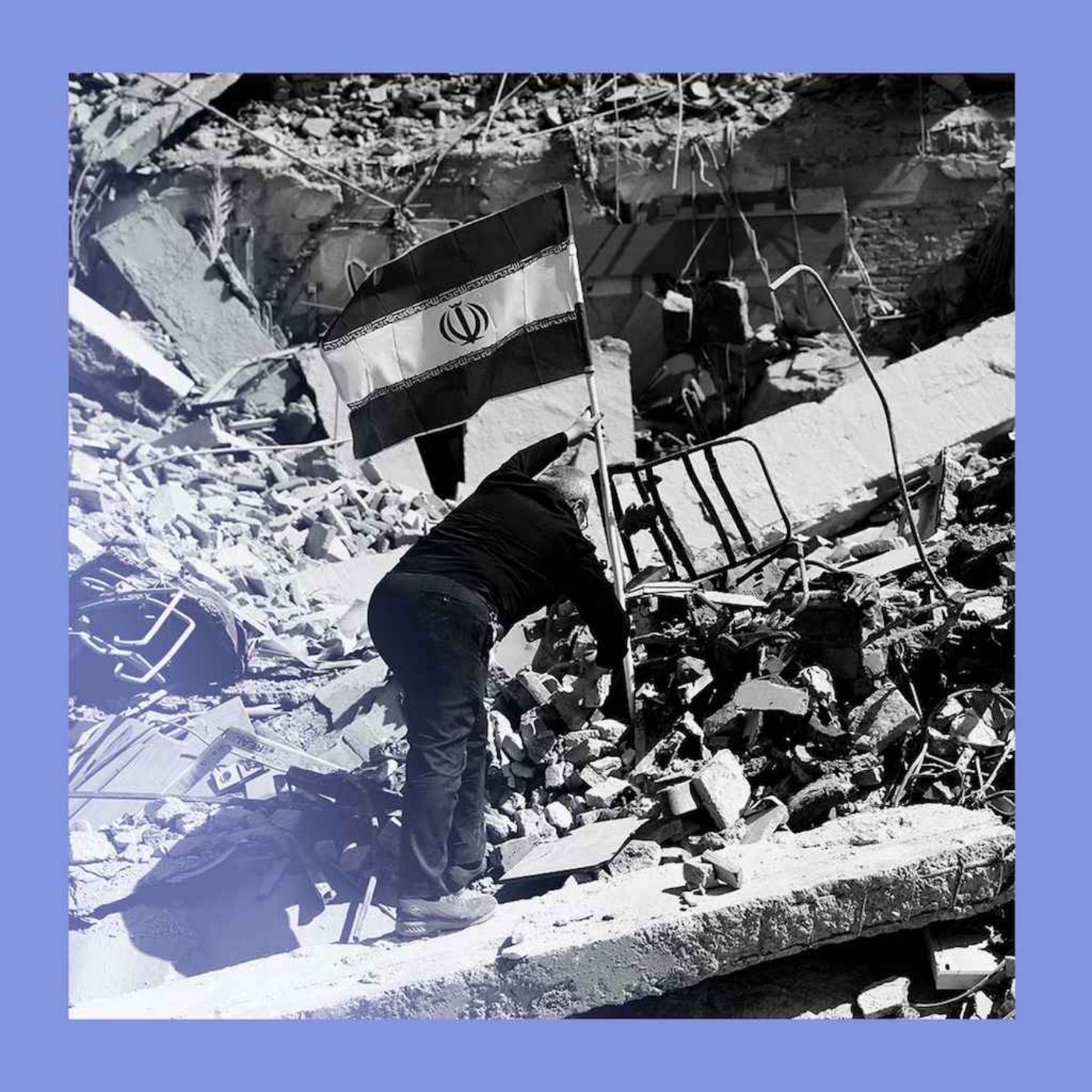
Targeting a regime's leader, assuming it will cause collapse, is a fallacy. Resilient, adaptive regimes often replace the fallen leader with a more aggressive individual who is incentivized to lash back simply to establish their own credibility and power.
The Trump administration's apparent strategy of decapitating leadership to find a compliant successor is unlikely to work in Iran. Unlike Venezuela, Iran's power is deeply institutionalized, it lacks an obvious cooperative figure, and potential US targets for that role have already been eliminated.

By assassinating a foreign leader, the U.S. sets a dangerous international precedent. This action removes the "red line" that previously deterred countries like Russia and China from assassinating leaders in Ukraine and Taiwan, potentially escalating global conflicts.

While a ground invasion is unlikely, a potential US military strategy involves a direct assassination attempt on Iran's Supreme Leader, Ayatollah Khamenei. This high-risk decapitation strike aims to destabilize the regime's core, but the effect on the cohesion of its security forces is completely unpredictable.

Iran is caught in a strategic dilemma: claiming to be close to a nuclear weapon invites a preemptive US strike, while admitting weakness could embolden internal protest movements. This precarious balance makes their public statements highly volatile and reveals a fundamental vulnerability.

A U.S. military strike to remove Ayatollah Khamenei is unlikely to help protesters. Analysis suggests it would more likely result in the Revolutionary Guard seizing control or other regime remnants continuing the fight, ultimately failing to satisfy the opposition and potentially worsening the civil conflict.

The US approach to Iran is not traditional regime change with ground troops. Instead, it involves targeted strikes to eliminate key leaders ("decapitation"), creating a power vacuum with the hope that the already revolutionary-minded Iranian public will topple the government from within.