Get your free personalized podcast brief
We scan new podcasts and send you the top 5 insights daily.
Alcohol initially boosts the relaxing neurotransmitter GABA. To restore balance, the body reabsorbs GABA and converts it into glutamate, an excitatory neurotransmitter. This biological rebound effect is why alcohol ultimately leaves you feeling more anxious than you were before drinking, creating a vicious cycle.

Related Insights
Anxiety often isn't a brain chemistry issue but a physical stress response. A blood sugar crash or caffeine can trigger a physiological state of emergency, and the mind then invents a psychological narrative (like work stress) to explain the physical sensation.

The brain maintains balance by counteracting any deviation to the pleasure side with an equal and opposite reaction to the pain side. This opponent process is why we experience hangovers and why chronic indulgence leads to a dopamine deficit state, driving us to use more just to feel normal.

A subset of people (around 8-10%) are genetically predisposed to feel fewer negative effects from alcohol, like body sway or hangovers. This seeming advantage is a significant risk factor, as they lack the crucial negative feedback signals that tell others to stop drinking, allowing for higher consumption and faster dependency.

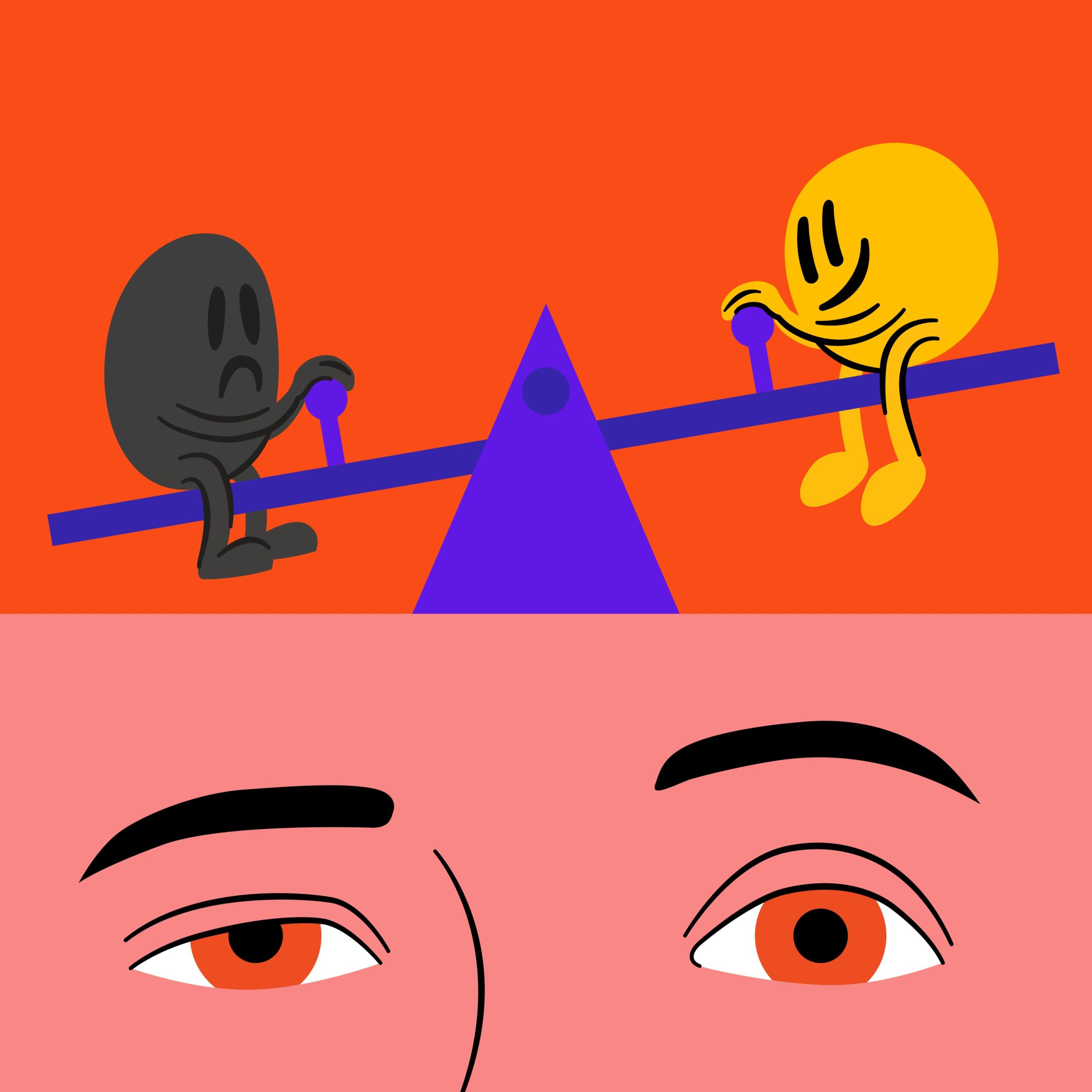
Neuroscience shows pleasure and pain are co-located in the brain and work like a seesaw. When we experience pleasure, the brain immediately compensates by tilting towards pain to restore balance. This neurological 'come down' is why constant pleasure-seeking eventually leads to a state of chronic pain and craving.
The anxiolytic effect of ketosis has a clear neurochemical basis. Elevated ketones increase the levels of the enzyme GAD (glutamic acid decarboxylase), which converts the brain's primary excitatory neurotransmitter, glutamate, into its primary inhibitory (calming) neurotransmitter, GABA, creating a more stable neurological state.

The ketogenic diet has a profound neuropharmacological effect, acting as a brain stabilizer. It reduces levels of the excitatory neurotransmitter glutamate while increasing the main inhibitory neurotransmitter, GABA. This quieting effect explains its efficacy in treating epilepsy and anxiety.
Alcohol temporarily reduces anxiety by boosting the neurotransmitter GABA. However, the brain overcompensates by converting GABA into glutamate, an excitatory neurotransmitter. This rebound effect leaves you more anxious than before, creating a self-perpetuating cycle of self-medication.
A 50% heritability for alcoholism is linked to how one's brain responds to alcohol. Individuals genetically predisposed to feel more stimulated ('fun') from drinking are at higher risk, while those who feel sedated are more protected. The risk is about the positive reinforcement loop, not an innate tolerance.
Constantly bombarding our reward pathways causes the brain to permanently weigh down the 'pain' side of its pleasure-pain balance. This alters our baseline mood, or 'hedonic set point,' meaning we eventually need our substance or behavior not to get high, but simply to escape a state of withdrawal and feel normal.
The brain maintains a pain-pleasure balance. Constantly triggering pleasure (dopamine) causes the brain to overcompensate by activating pain pathways, leading to a chronic dopamine-deficient state that manifests as anxiety, irritability, and depression.