Get your free personalized podcast brief
We scan new podcasts and send you the top 5 insights daily.
The primary benefit of being first isn't always commercial success. Instead, the ambition to be an innovator is a powerful tool for recruiting top-tier engineers and creatives. This cultural drive for leadership gives clarity to the internal roadmap and attracts talent that wants to build the future, making it a valuable recruiting tool.

Related Insights
The most effective hires are individuals with the entrepreneurial drive to build their own business but who recognize greater potential in leveraging your company's platform and distribution. This strategy attracts talent that thinks like owners, not employees, and can run their departments autonomously.
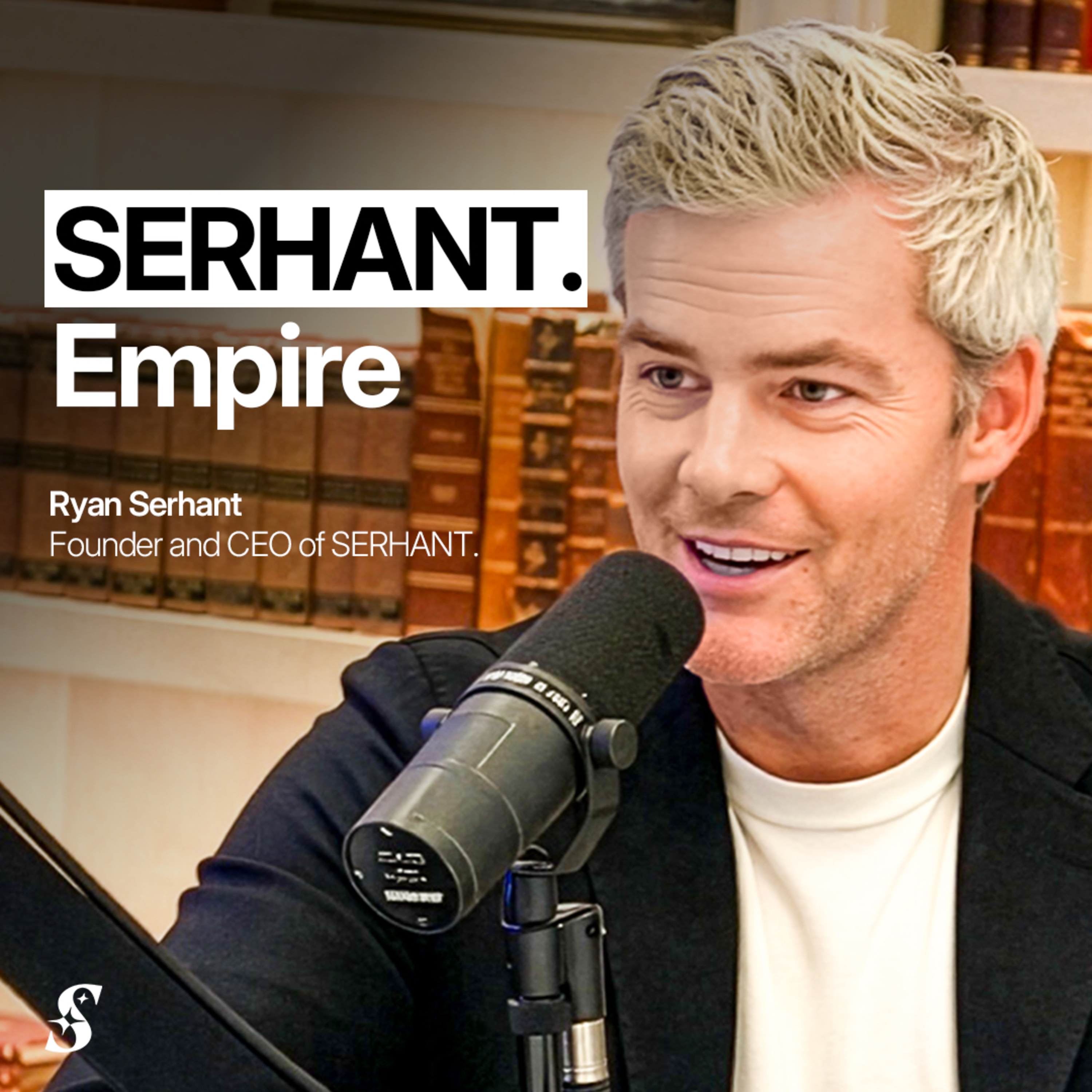
To maintain speed and agility in a global, always-on marketing environment, the most critical mechanism is hiring 'modern creative thinkers' who are comfortable with ambiguity. These individuals see incomplete information as an opportunity and can make decisions with only 70% of the facts, a crucial skill for rapid execution.

While motivational speeches and office amenities are often cited as culture-builders, the most effective way to create a positive and engaged company culture is simply to win. Success itself is the ultimate motivator, making everyone excited to contribute and perform at their best.

Marketers over-index on vanity metrics while underappreciating the strategic value of time. The ability to launch campaigns at the "speed of culture" provides a significant competitive arbitrage. Teams should measure and actively work to reduce the time it takes to go from idea to a live campaign.

Most startups focus on product or technology innovation, but Gamma's CEO argues that innovating on organizational design is an equally powerful lever. This means rethinking hiring, management, and team composition to create a competitive advantage.
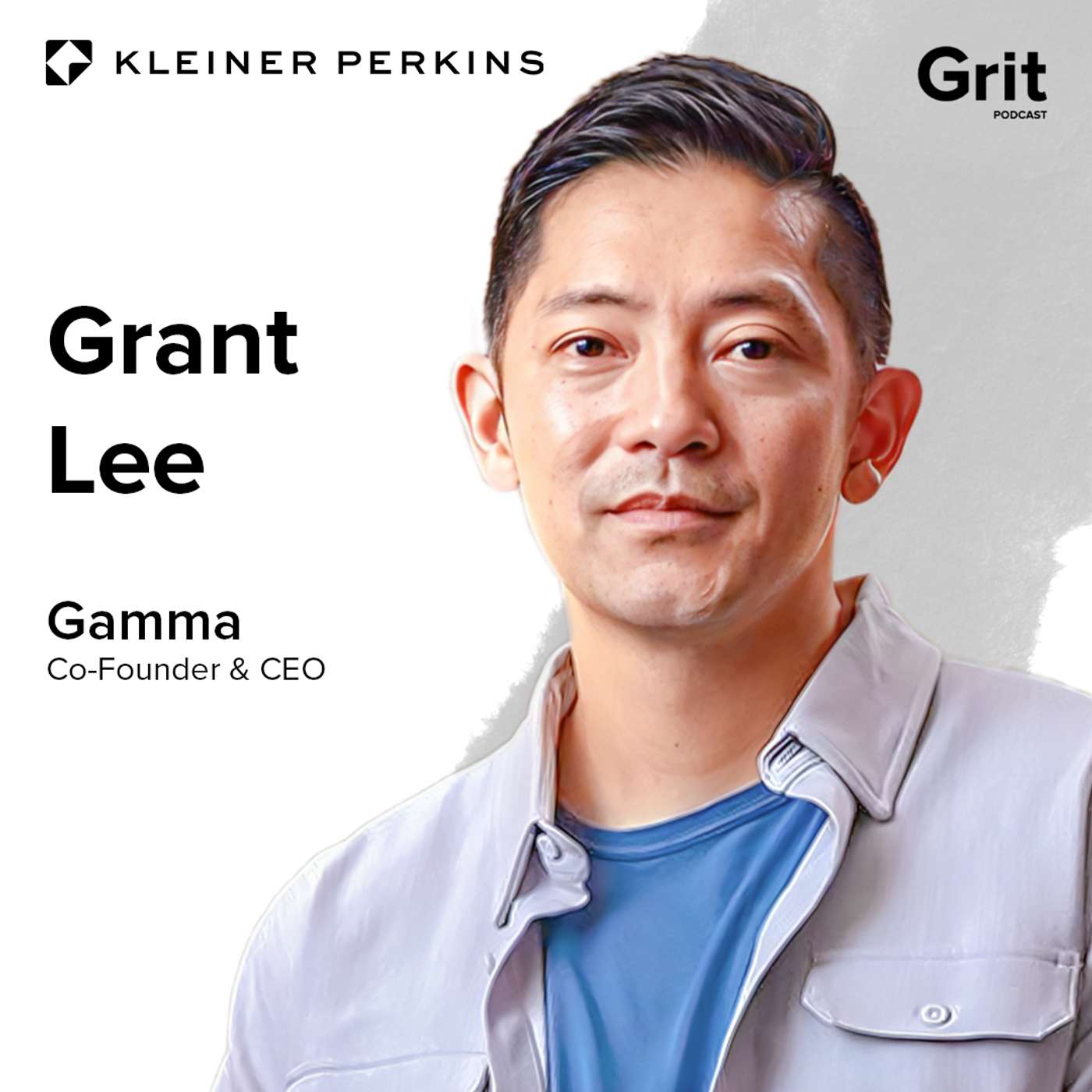
The ideal early startup employee has an extreme bias for action and high agency. They identify problems and execute solutions without needing approvals, and they aren't afraid to fail. This contrasts sharply with candidates from structured environments like consulting, who are often more calculated and risk-averse.

When asked how he recruits talent for a challenging hardware business, the founder of Allen Control Systems stated it's easy because 'We're making the greatest weapon system in American history.' This demonstrates that for deep tech and defense startups, a powerful and ambitious mission can be more effective than conventional recruiting strategies.
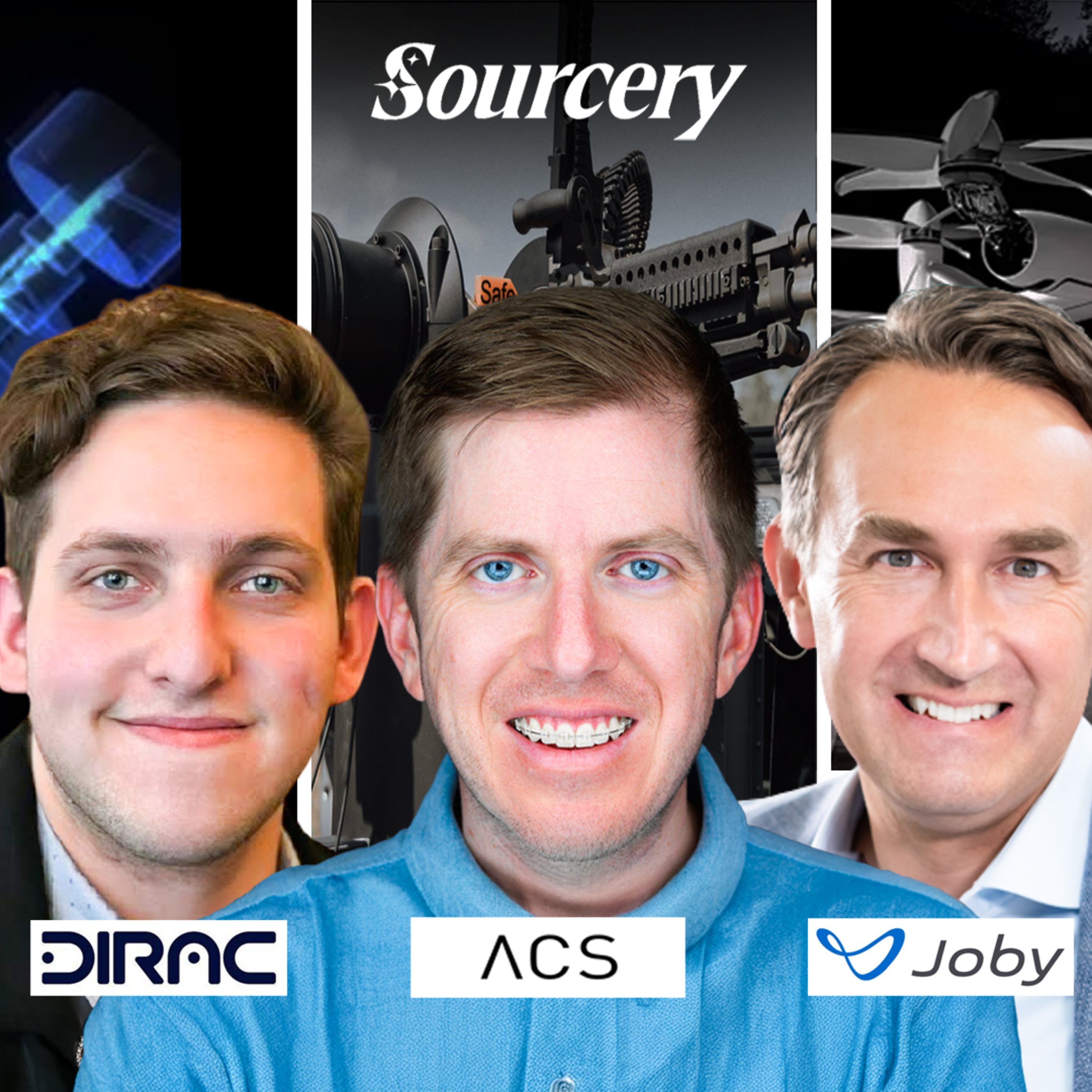
Ramp's hiring philosophy prioritizes a candidate's trajectory and learning velocity ("slope") over their current experience level ("intercept"). They find young, driven individuals with high potential and give them significant responsibility. This approach cultivates a highly talented and loyal team that outperforms what they could afford to hire on the open market.

The common practice of hiring for "culture fit" creates homogenous teams that stifle creativity and produce the same results. To innovate, actively recruit people who challenge the status quo and think differently. A "culture mismatch" introduces the friction necessary for breakthrough ideas.

High-growth companies create a virtuous cycle for talent. The faster a company grows, the more career advancement opportunities it creates, which attracts the best people. This influx of A-players then accelerates growth further. Conversely, stagnation creates a vicious cycle, repelling top candidates and making growth harder to achieve.
