Get your free personalized podcast brief
We scan new podcasts and send you the top 5 insights daily.
Base Power's culture of execution was set by its first ~10 hires—senior leaders from Tesla and SpaceX who initially worked as individual contributors. This "lead from the front" model, where leaders still do IC work, cascaded through the company as it scaled to 250 people.

Related Insights
Z.AI's culture mandates that technical leaders, including the founder, remain hands-on practitioners. The AI field evolves too quickly for a delegated, hands-off management style to be effective. Leaders must personally run experiments and engage with research to make sound, timely decisions.
Base fosters a "chop wood, carry water" culture where leaders are still individual contributors. The founding team set this tone by writing the first code and installing the first batteries themselves. This ensures a hands-on, problem-solving mindset permeates the company as it scales.

Resist hiring quickly after finding traction. Instead, 'hire painfully slowly' and assemble an initial 'MVP Crew' — a small, self-sufficient team with all skills needed to build, market, and sell the product end-to-end. This establishes a core DNA of speed and execution before scaling.

Delaying key hires to find the "perfect" candidate is a mistake. The best outcomes come from building a strong team around the founder early on, even if it requires calibration later. Waiting for ideal additions doesn't create better companies; early execution talent does.

To scale from 100 to 1,000+ employees, you must stop interviewing everyone. Success depends entirely on the cultural foundation built with the first 100 people. By personally hiring and imbuing them with the company's core values, you create a group of leaders who can replicate that culture as the organization expands.

Actively recruiting entrepreneurs whose own ventures recently failed brings in smart, driven individuals with high ownership and a hunger to prove themselves. This is invaluable in the early, capital-constrained days when you need a team with a founder's DNA.
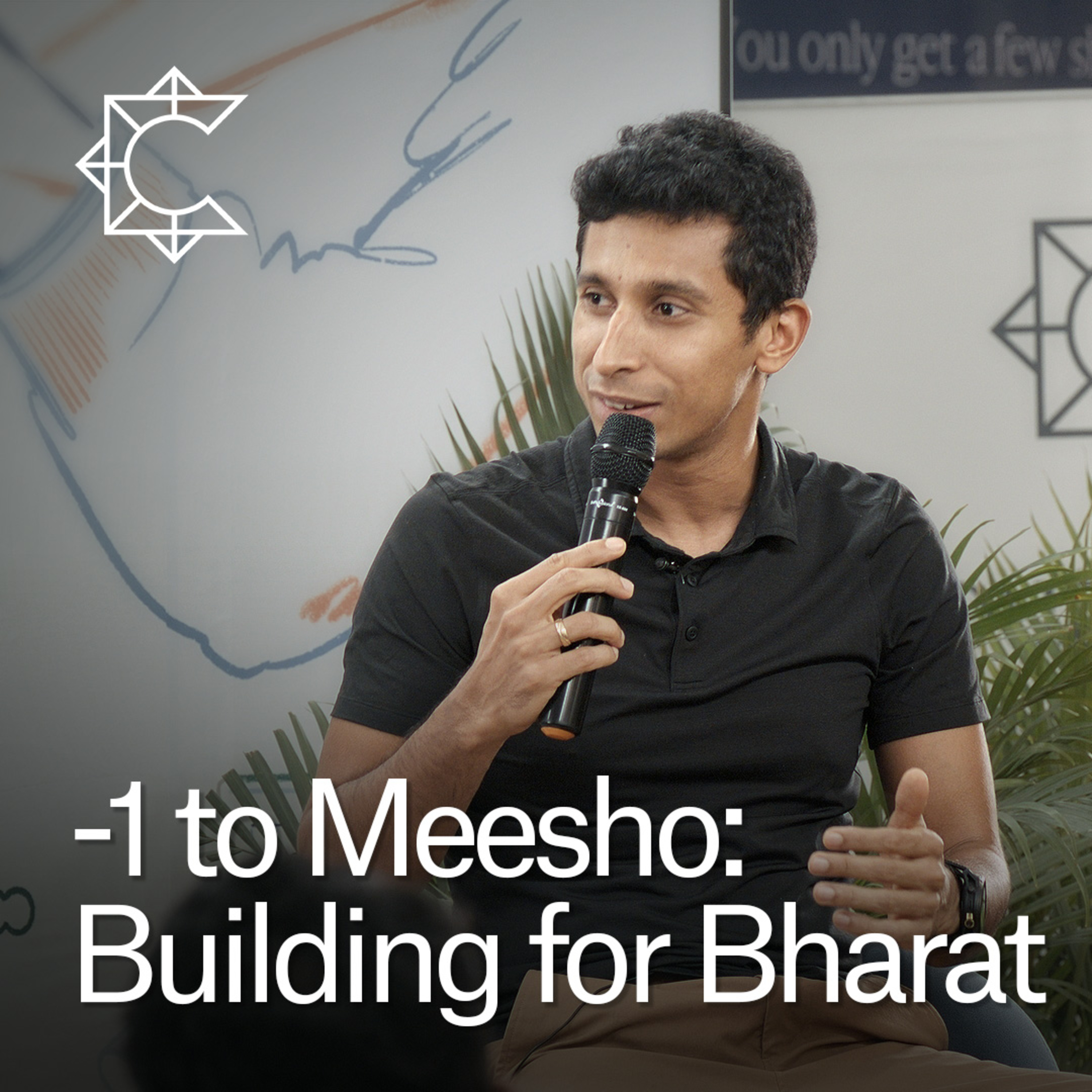
At Larroudé, the executive culture is "hands-on." Leaders are not just strategists who delegate; they must be able to execute tasks themselves. Furthermore, a critical hiring criterion for leadership is the ability to recruit, with the expectation that they can build out their own high-performing teams.
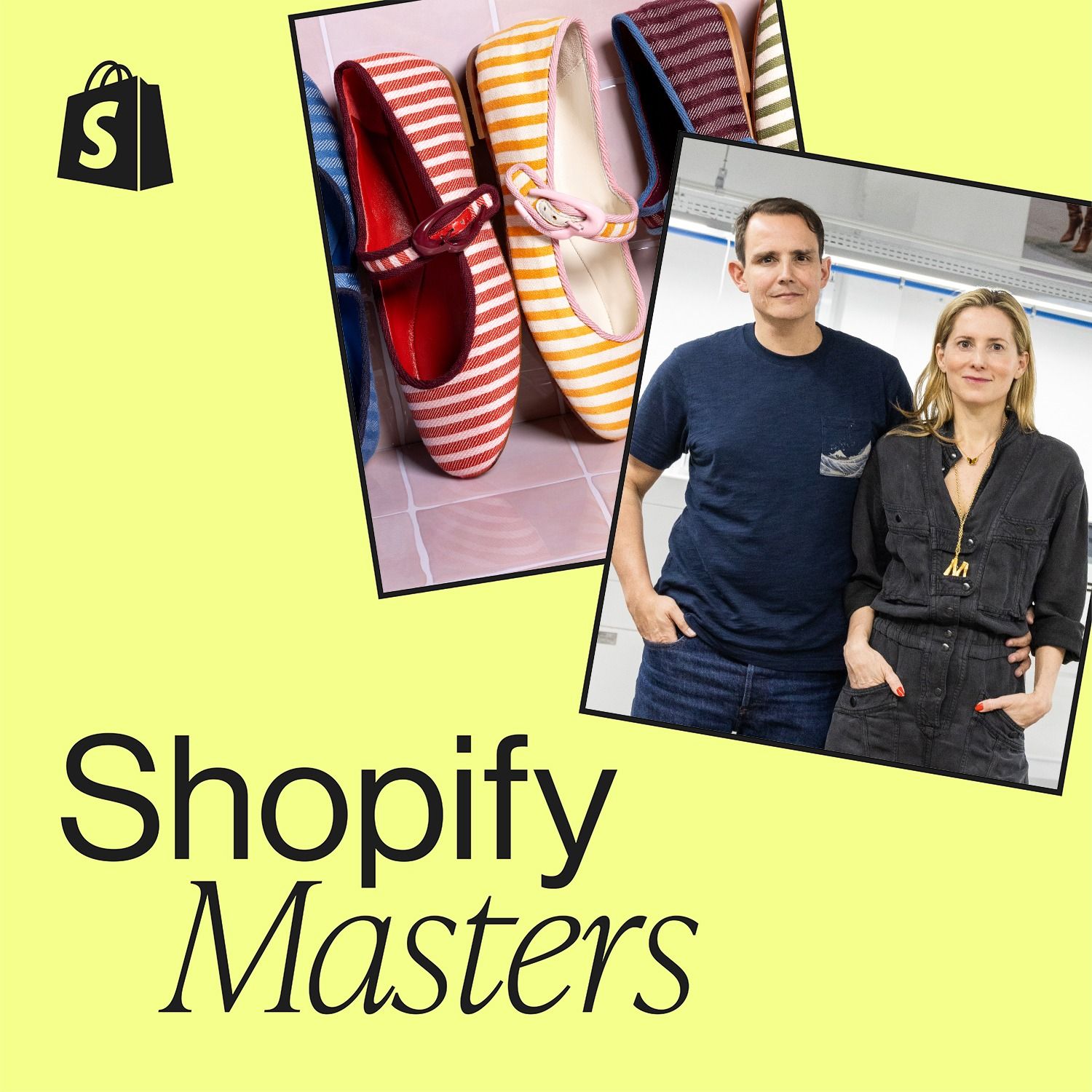
Instead of traditional managers, Gamma hires "player-coaches"—leaders who actively contribute to the work, like shipping code, while also mentoring their team. This model maintains a flat structure, keeps leadership grounded, and works best in a lean organization.
Ather's founder learned that hiring senior leaders for non-core functions too early fails due to value system clashes. Founders must first build the function themselves, establish principles, hire into that mold, and only then step back. This ensures cultural alignment.
Gamma scaled to a $2B valuation with only 50 people by innovating on org design, not just product. They prioritize hiring generalists over specialists and use a 'player-coach' model instead of a traditional management layer. This keeps the team lean, agile, and close to the actual work.
